advertisement
The fashion pieces and new openings you need to know about this spring

The fashion pieces and new openings you need to know about this spring

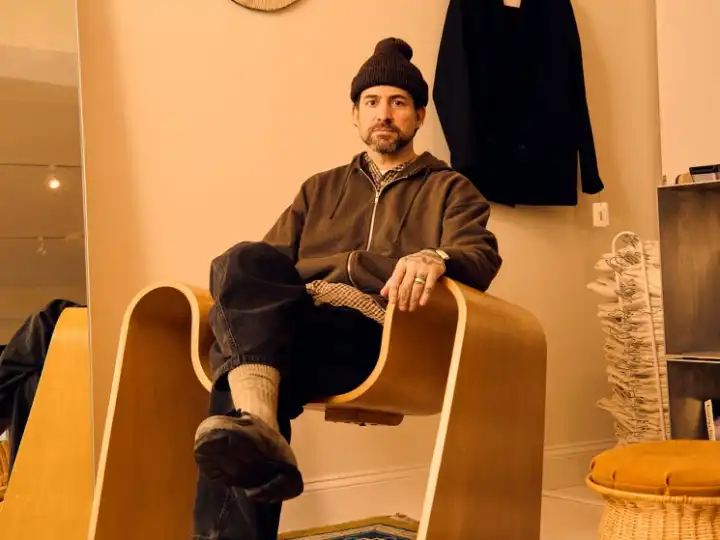
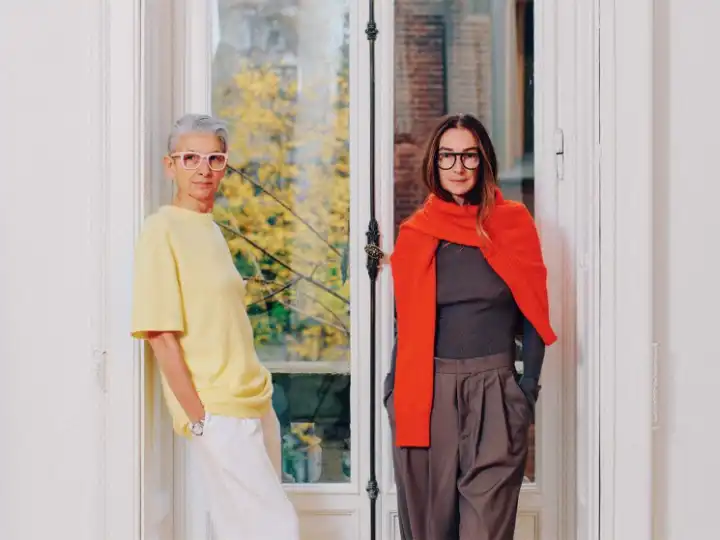
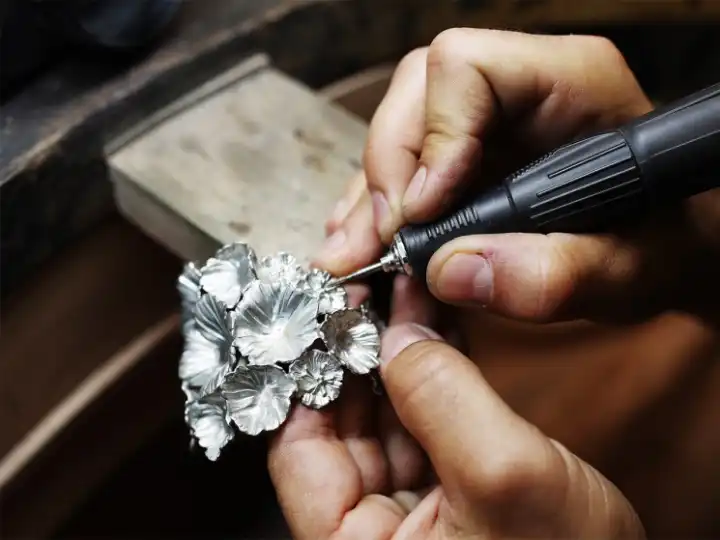
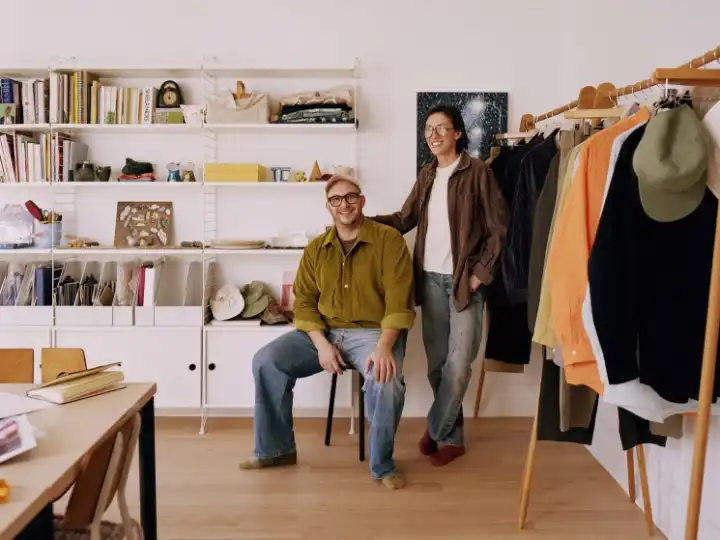
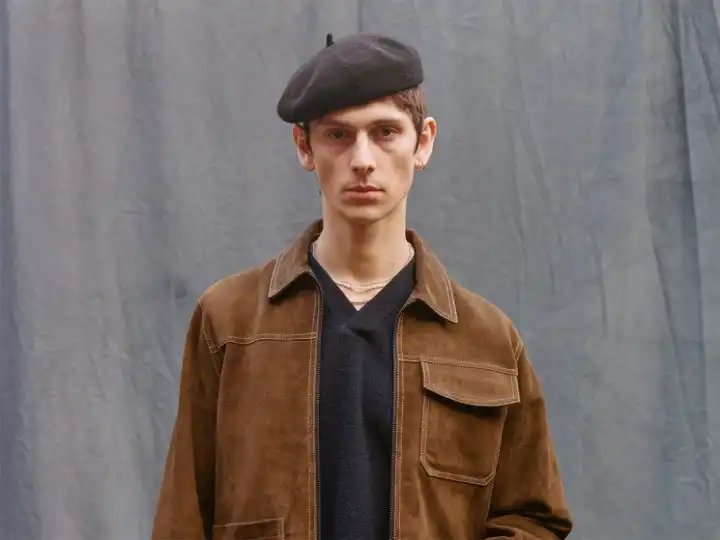
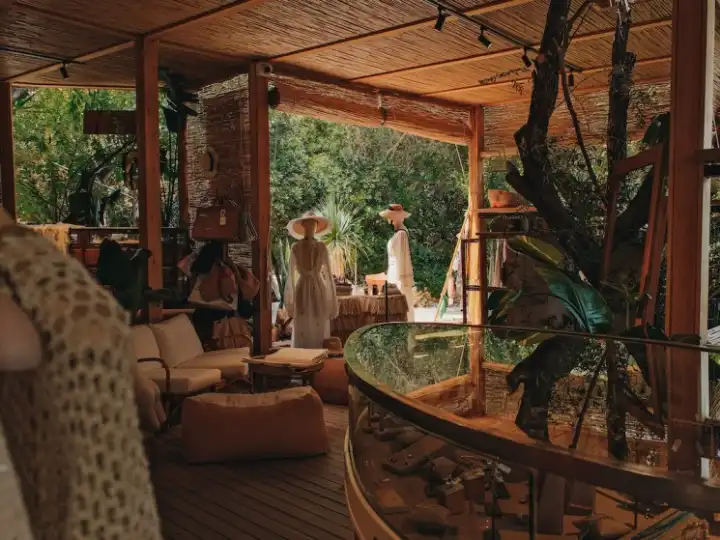
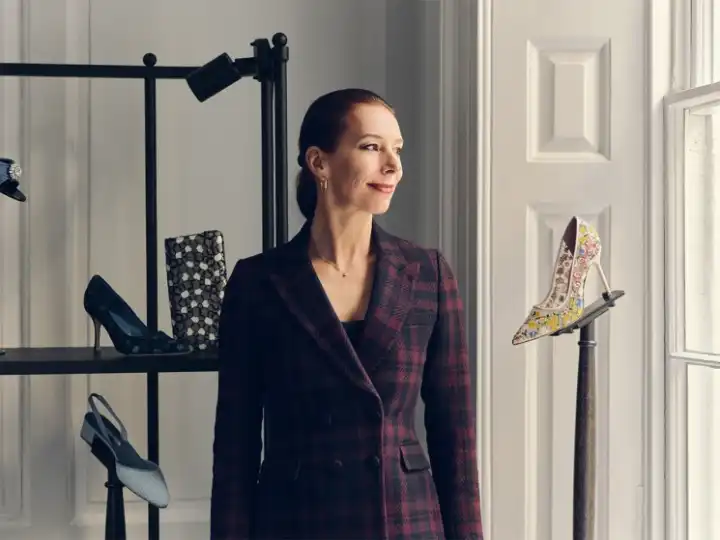
SS DaleyUKBritish designer Steven Stokey-Daley is becoming one of the most promising new names in fashion due to his ability to marry wardrobe classics, including plenty of suiting, with novel, humorous designs such as intarsia knits featuring playful illustrations. Stokey-Daley has a flair for “reinvestigating” wardrobe archetypes, such as duffel and trench coats, while experimenting with traditional fabrics.For spring, he debuted a womenswear range: an elegant line-up of checked suits, tailored Bermudas and beaded skirts, referencing British painter Gluck. “I’m having so much fun,” says Stokey-Daley. “It’s an exciting adventure and it feels as though there’s so much room to explore and develop new ideas.”ssdaley.comBodeParisBode is branching out of the US with an ambitious retail opening in Paris, a stone’s throw from the Palais-Royal. “France has played a significant role in Bode’s history and the search for a retail location in Paris started more than four years ago,” says founder Emily Adams Bode Aujla, who has built a reputation for her eclectic designs, made using upcycled fabrics.Working with her husband Aaron Aujla, one of the men behind New York-based interior design studio Green River Project, Emily drew inspiration for the boutique from the story of a French hotelier known for his love of fly fishing. The aim was to marry French and US tropes in the shop, which features antiques sourced from both sides of the Atlantic; sofas upholstered in silk; and stained glass. On the rails are the brand’s striped pyjamas, bold knits and embroidered shirts, as well as some Paris exclusives, including ties and shirting crafted from century-old French fabrics.bode.comSophie Bille BraheDenmark & USACopenhagen-based Sophie Bille Brahe is becoming a household name in the world of fine jewellery, having opened her first international outpost on New York’s Madison Avenue last year. “The history of the street made it feel like a natural home for my designs,” says Bille Brahe, who often takes inspiration from ancient Egyptian constellations and Venetian mythology. “The shop’s design is rooted in my heritage, blending Danish craftsmanship with understated luxury,” she says of the minimalist space and its Dinesen wooden floors, lace curtains, worktables by Danish artisan Poul Kjaerholm and Mats Theselius chairs that are a nod to Bille Brahe’s muse, Peggy Guggenheim. To mark the opening, the brand debuted Collier de Madison, a take on its Collier de Tennis Royal diamond necklace. “The Madison Avenue shop isn’t just about bringing Copenhagen to New York,” says Bille Brahe. “I wanted the space to welcome visitors by telling my story.”sophiebillebrahe.comPlan CItalyCarolina Castiglioni usually thinks about herself when designing her label’s biannual collections, so venturing into menswear didn’t come naturally. “It was a request, especially from Japan, where male customers kept coming in our boutiques to shop for themselves,” says Castiglioni, who realised that most of Plan C’s designs – slim tailoring, roomy cotton shirts, workwear-inspired parkas and denim jackets – could be translated for men. “There have always been menswear inspirations in my work, so we focused on unisex pieces that can be styled in different ways,” says the Milanese designer (pictured), who unveiled her first menswear range at last summer’s Pitti Uomo. Plan C’s successful formula from the get go has been high-quality wardrobe classics sprinkled with novelty and excitement via the right accessories. Come spring, you’ll find the label’s menswear designs at its standalone boutiques in Tokyo and Osaka, plus a handful of multibrand boutiques including Dallas’s Forty Five Ten.plan-c.comSans LimiteJapanYusuke Monden started his menswear label Sans Limite in 2012 after cutting his teeth in shirt design and production at Comme des Garçons. His concept is simple: wardrobe classics made well. Starting with a tight edit of six shirts, he has since expanded to ready-to-wear and accessories collections. “We don’t try to sell items for a specific season or drastically change fabrics for each collection either,” says Monden. Monden is committed to “Made in Japan” quality. “We do the patterning and planning internally, and then work with domestic factories,” he says. “When it comes to one-off items, such as patchwork shirts, hand-knit sweaters, or even rugs, we work on them in the studio and then send them off to the factories for completion.” Sans Limite’s Tokyo flagship is on a busy shopping street by the railway tracks that, post-Second World War, was home to a black market for US goods. It’s a world away from the neighbourhoods usually favoured by fashion brands.sans-limite.jp

Monocle’s Style Top 25: The best designers, makers and retailers redefining luxury

Monocle’s Style Top 25: The best designers, makers and retailers redefining luxury

1.H-O-R-S-E, USAFit for purposeThe perfectly executed basics and minimal silhouettes of California-based activewear brand H-O-R-S-E are made with the gym in mind. Inspired by PE uniforms and vintage sports clothing, the kits – including shorts, matching sweatshirts and T-shirts – are made using 100 per cent cotton fabrics. The results are light, breathable and practical, harking back to a time when going to the gym was a straightforward affair.“Fitness has become increasingly regimented,” says the brand’s founder, Sue Williamson. “You might have to spend €35 on a class, schedule around it and commute. But real fitness is about moving your body, picking up something heavy, squatting and running. We’re making clothes for that.” In the future, Williamson hopes to launch new styles, explore other natural materials such as hemp and wool, and expand into accessories. For now, the brand is taking it slow. “We’re going at our own pace,” she says.h-o-r-s-e.net2.Nitty Gritty, SwedenBest in storeTucked away in Krukmakargatan, a quiet street south of central Stockholm, multi-brand boutique Nitty Gritty was among the first to put the city on the fashion map. “We always try to find the most interesting brands around the world to present to Stockholm – and, through our website, to the world,” says Marcus Söderlind, the shop’s owner. His approach to curation prioritises labels that pay attention to the details and aren’t distributed too widely. Silhouettes tend to be loose, with oversized shirts, parkas and barrel-leg trousers in the mix.For this autumn, Söderlind has picked up fellow Swedish label Salon C Lundman and Norlha, a yak khullu wool atelier from the Tibetan plateau. There’s also an in-house line, Nitty Gritty Worldwide, whose collections are built on a simple idea: every item should be made by the artisans with the most expertise, wherever they might be.Nitty Gritty’s success is also down to the sense of community that it fosters in-store – every visit is an experience and there’s always something new to discover, including art exhibitions of emerging and established talent. Music is just as central: DJs and musicians perform there most weeks, reinforcing the shop’s status as a cultural hub.nittygrittystore.com3.Nami, FranceNew to marketEvery season, Paris-based Philippine Namy looks to Scotland to inspire her label Nami’s collections. References can vary from the architecture of Charles Rennie Mackintosh to golf or the uniform of a lighthouse keeper. As a child, Namy spent many family holidays in the Highlands, where her grandfather owned a house. “I find the folklore of Scotland fascinating,” she tells Monocle. “Every collection tells a story of the country, though I avoid gimmicks such as kilts.”Instead, details carry a narrative. A side pocket on a pair of suit trousers is a reference to where golfers store their tees. A broderie-anglaise light cotton dress evokes Celtic tunics. The tailoring of wool trousers, flannel shirts and waterproof cotton-canvas jackets is kept sharp and a little oversized.With extensive experience in the fashion industry, notably at French label Isabel Marant, Namy was well placed to build a sustainable supply chain. She began by sourcing deadstock fabric from LVMH brands when she launched the business in 2024. When demand picked up, she forged partnerships with Italian and Scottish mills, where she sources materials such as silk-and-cashmere blends, herringbone twills and angora mohair wool. “I want Nami customers to feel like they’re wearing clothes that have been passed down through generations,” says Namy. “It’s a homage to my family and our time spent in Scotland.”namiofficiel.com4.Kiivu, JapanThe atelier brandTokyo might be Japan’s fashion capital but new brand Kiivu is making a name for itself in the small coastal town of Onomichi in Hiroshima prefecture. Its proposition is simple: unisex garments made with fabrics produced by Sanyo Senko, a century-old dyeing house from nearby Fukuyama, and sewn by a team of female seamstresses who migrated here from a nearby sewing factory that recently shut down. Sanyo Senko wanted to offer the women a space where they could continue their craft and the combination makes perfect sense – the women’s peerless sewing skills have been preserved and the dyeing factory can now produce fully fledged collections and show off its craft to the broader industry.Everything at Kiivu begins with the fabric and continues in-house, from textile development to dyeing and sewing. Clean lines allow the fabrics to shine in corduroy shirt-jackets, pigment-dyed chinos and the softest indigo denim – the kind that could only be produced by an atelier brand.kiivu.jpT-shirt bySunspelBelt byGiorgio ArmaniShoes byParabootXSunspelScarf byBigi Cravatte for Trunk5.Burberry, UKThe comebackFor autumn/winter, Burberry is returning to its roots: checks, rainwear and plenty of British charm. The brand’s creative director, Daniel Lee, has put particular emphasis on outerwear, including signature trenches (updated with embossed leather), intricate shearling and jacquard-weave floor-length coats – that he imagines Londoners slipping into before boarding the train and escaping to the countryside for the weekend.“It’s that Friday-night exodus from London – long, rainy walks in the great outdoors and day trips to stately homes,” says Lee. Alongside the CEO, Joshua Schulman, he has been helping to put Burberry back on the map by turning every collection and brand campaign into a celebration of the city of London and all things British. “We’ve been looking at tropes of classic British film and television and all their deeply layered social observations,” says the designer.burberry.comSocks byANT45Shoes byParaboot6.Fendi, ItalyFit for collectorsEdoardo and Adele Casagrande Fendi founded their eponymous brand a century ago. This year, Silvia Fendi pays homage to her family’s business with a collection that evokes Roman refinement: think A-line leather dresses, boiled-wool coats and oversized leather trenches. For her first womenswear collection, she wanted to relive her memories of growing up in the Fendi atelier and seeing Hollywood movie stars passing through.fendi.com7.Luca Ferreira, SwitzerlandMenswear maverickLuca Hasler established Luca Ferreira in his hometown of Zürich in 2022. “I wanted to show people that Switzerland can produce some amazing clothes,” says the founder and creative director.Before launching his label, Hasler worked in a bespoke-suit shop, where he developed a sharp eye for made-to-measure tailoring. Those influences have helped to shape his brand’s signature two-piece wool sets. Working primarily with Swiss mill Schoeller Textil, the label’s bestselling knits are crafted from fibres such as merino wool, cotton and silk blends. Other pieces are produced in small factories in Italy and Portugal, where Hasler frequently visits to delve into textile archives and gather inspiration for his designs. “I call my clients first movers,” says Hasler. “They’re willing to try new things and have an instinct for well-made clothes.”lucaferreira.com8.Olga Basha, USABest denimCeline Eriksen, the founder of New York denim brand Olga Basha, understands that there’s such a thing as having too much choice. It’s why her label offers jeans in two made-to-order unisex styles: low-rise and mid-rise, both straight cut with a button fly. “Our focus might seem narrow but we find joy in obsessing over the details,” says Eriksen.olga-basha.comJumper bySergej LaurentiusPocket square byBigi Cravatte for Trunk9.Bottega Veneta, ItalyMust-visitThis autumn is a pivotal season for Bottega Veneta. The Italian luxury label is celebrating the 50th anniversary of its signature intrecciato (interwoven) leather, while preparing to unveil the first collection by its new creative director, Louise Trotter. To celebrate this milestone, the house has launched the “Craft Is Our Language” campaign, paying homage to Italian graphic designer Bruno Munari and highlighting the house’s commitment to handwork: intrecciato clothing and accessories require the expertise of artisans who weave the leather by hand. “For 50 years, intrecciato has embodied Bottega Veneta’s craft and creativity,” Leo Rongone, the brand’s CEO, tells Monocle. “From the start, the house was defined by the softness of its leather and the excellence of its craftsmanship.”A pop-up space in London’s Harrods is in the works for September. The interiors will feature interlocking wood and concrete structures – another nod to the label’s signature style.bottegaveneta.com10.Aimé, UKLondon’s best-kept secretWhen French-Cambodian sisters Val and Vanda Heng-Vong moved to London from Paris in 1999, they found themselves missing the quintessential French brands that they knew back home. They took a big bet on Notting Hill’s Ledbury Road – there was little but antiques shops in the area at the time – and opened Aimé, stocking Parisian favourites from Repetto ballerina flats to APC denim and Isabel Marant’s breezy dresses. Twenty-five years later, the boutique is still in its original spot. It still stocks seasonal pieces by Isabel Marant, alongside elegant cotton shirts by Spain’s Masscob, woven Dragon Diffusion bags and tailored trousers by Los Angeles-based Jesse Kamm.The business’s focus is firmly on the boutique. It’s why the duo recently joined forces with a local architect to refresh its interiors. “We take it personally,” adds Vanda. “It’s almost like opening the door to our house.” The duo have also begun developing an in-house line of seasonless staples – cashmere jumpers, ruffled shirts, waterproof trench coats – following research trips to India, Italy and Scotland. “We’re not trying to reinvent the wheel,” says Val. “We want products that don’t need to change every season. It’s a project that we want to keep small, luxurious and authentic.”aimelondon.com11.Hitting the big timeIn the bagAutumn/winter is the season of the super-sized tote. Designers are leavingminaudièresand compact crossbody bags behind and replacing them with extra-large totes that can double as elegant weekender bags. Prada has oversized, vintage-inspired bowling bags on offer, while Celine’s new artistic director, Michael Rider, has relaunched the label’s roomy Phantom bags. Meanwhile, Véronique Nichanian, the artistic director of men’s fashion at Hermès, generated enthusiasm for her large Birkin bags on her autumn/winter 2025 runway. “People joke that, despite my height, I’m designing such big bags,” she says.From top:Hermès,PradaandCeline12.Sturlini, ItalyTuscan touch“I’m proud to be Tuscan,” says Alessio Sturlini, Florentine shoe brand Sturlini’s CEO. “We manufacture everything in Tuscany so that we can have control over every step.” Sturlini’s approach to dyeing leather consists of immersing shoes in tanning drums, using natural dyes and pigments. The result is a softer, more comfortable shoe that would befit a Florentine dandy.sturlini.com13.Colin Meredith, CanadaBest performanceHaving grown up on Vancouver Island and studied visual arts and technical apparel design in Montréal, Colin Meredith’s eponymous brand naturally takes its cues from the Canadian outdoors. “I also take inspiration from vintage sportswear and then combine it with newer technical fabrics,” he says. Since the brand launched in 2023, Meredith’s output has focused on base layers, insulated vests and sturdy shell jackets – ideal for cold-weather adventures.colinmeredith.com14.Chopard, SwitzerlandStirling ideaA passionate car enthusiast, Chopard’s co-president Karl-Friedrich Scheufele has forged a longstanding partnership between the Swiss watchmaker and the 1000 Miglia, the iconic Italian motor race first held in 1927. The eponymous collection of timepieces has become a cornerstone of Chopard’s expanding offering of men’s watches. Pictured here is a stainless-steel model with a brown calfskin strap, created in tribute to Stirling Moss, who set a record in the 1955 Mille Miglia by winning the race at an average speed of 158km/h – a feat that remains unmatched.chopard.comMille Miglia Classic Chronograph Tribute to Sir Stirling Moss watch byChopard, jacket byThe Decorum Continuum by Yasuto Kamoshita15.Celine, FranceBest debutCeline’s new artistic director, Michael Rider, presented his debut collection in July at the brand’s HQ, Vivienne. It was a masterclass of rebranding, a vision of modern-day dressing marrying past and present, reality and fantasy. “Celine stands for quality, timelessness and style – ideals that are difficult to grasp,” he says.celine.com16.Unlikely, JapanNew from JapanShinsuke Nakada joined Japanese fashion giant Beams straight from college: he started on the shop floor and worked his way up to creative director over a period of 22 years. “After years of collaborating with different companies and manufacturers, I felt a growing urge to challenge myself [and create] something that was truly my own,” he says. Nakada took the leap in 2023, starting menswear brand Unlikely, which he envisions as a blend of US and Japanese styles, old-school workwear and menswear staples, all woven into something fresh. Some of its most popular garments include reversible outerwear, patched sweatshirts and sweaters inspired by natural landscapes. Its autumn/winter offering is looking particularly sharp, with a corduroy-cuffed, washed-canvas hunter jacket and twill trousers in faded navy. Unlikely is stocked in Japanese shops including Beams Plus and, with growing interest from overseas, it is officially going international this autumn.17.Mohawk General Store, USABest curationBo and Kevin Carney’s Mohawk General Store in Los Angeles’ Silver Lake neighbourhood stocks seasonal ready-to-wear clothing, jewellery, home goods, books, apothecary items and its in-house menswear line, Smock. What these items have in common is that they evoke a sense of Californian cool, be it flax-coloured linen shirts or olive oil from the Big Sur.This is especially true of Smock, whose breezy trousers, Velcro back cap and canvas jackets look as though they were made for sauntering underneath palm trees. Mohawk has an event space nearby and also partners with brands to host gatherings at its stores – a strategy that serves as a good reminder that fashion is often at its best when it’s rooted in a sense of place.mohawkgeneralstore.com18.James Purdey&Sons, UKHeritage revivalUK brand James Purdey&Sons is starting a new chapter in its 200-year history. Now owned by Swiss luxury group Richemont, it has tapped London-based designer Giles Deacon as its new creative director. His first full collection makes its debut in autumn 2025 and introduces the Tom Purdey House Tweed, inspired by the family’s chief salesman, who carried the Purdey name across the UK and US from the 1920s to the 1950s. The tweed uses 21 yarns and 16 twists to capture the colours of the Highlands. “We want to make timeless, elegant countrywear – clothes that you’ll wear for life,” says Deacon.purdey.com19.Grey’s, USANew talentLos Angeles-born designer Emily Grey had spent a decade in London, studying fashion and planning the launch of her brand, Grey’s. But last February, New York came calling. From her Manhattan studio, she tells Monocle how being in England drew her attention to the singularity of US fashion. “It’s a little bit more real, designed for everyday life, without compromising on quality.”Grey imagines her customers wearing her designs to attend soirées but also to lounge around at home. Her shapes are voluminous and comforting: a knitted wool sack coat has a drawstring hem that can be pulled into a bubble shape or left to fall naturally, while a coat is cinched by internal ties. “It’s all about ease,” she says. “Those details make [every piece] more functional and less precious.”greys.studio20.Best in scentsAutumnal fragrancesThis season we’re adopting perfumes that offer complexity and freshness in equal measure. London-based perfumer Vyrao’s Verdant does exactly that, with notes of moss, Italian bergamot, frankincense and cyclamen that vibrate in unison. Meanwhile, New York- and Paris-based brand Régime des Fleurs’s Green Vanille eschews the cloying sweetness typically associated with vanilla perfumes by combining it with notes of coriander, sandalwood and vetiver – a compelling reinterpretation that might change your mind about what a vanilla scent can be. Bottega Veneta is expanding its range of perfumes with Mezzanotte, a collection of three new fragrances presented on marble bases. Our pick is Hinoki, a scent that harmoniously blends Japanese hinoki, fir and patchouli. Finally, US perfume house Maison d’Etto’s Noisette leaves lingering notes of French lavender, magnolia and orris wrapped in a grounding mix of musk and amber leaves.Clockwise from far left: Noisette byMaison d’Etto, Mezzanotte byBottega Veneta, Green Vanille byRégime des FleursfromLa Gent, Verdant byVyrao21.The Decorum, ThailandSharpest fitBangkok-based menswear retailer The Decorum has been growing its label. The third season of the Decorum Continuum Collection continues a collaboration with Yasuto Kamoshita, co-founder of Japan’s United Arrows, who has led all three collaborations. “The collection takes its name from the way that we like to evolve,” says Sirapol Ridhiprasart, co-founder of The Decorum. “Our styles evolve season by season but they stay true to their roots.” Highlights from the new autumn collection include a stripped-back Harrington jacket and corduroy suits in forest green. “Fabrics and textures take centre stage,” says Ridhiprasart.thedecorumbkk.comShirt bySalvatore Piccolo22.K-Way&Soeur, FranceCollaboration to knowIn this collaboration between French brands K-Way and Soeur, the former’s expertise in outerwear meets the latter’s Parisian flair. K-Way’s expansion plans have been turbo-charged by investment from private-equity firm Permira. “We believe that we sell products that are high quality and at a reasonable price,” says co-CEO Lorenzo Boglione. “And we have a strong narrative to tell.”k-way.com;soeur.fr23.Begg x Co, UKNew beginningsBuenos Aires-born and Paris-based designer Vanessa Seward is taking the reins as creative director of Scottish cashmere brand Begg x Co. As a preview, Seward – who has worked alongside Karl Lagerfeld at Chanel and Tom Ford at Yves Saint Laurent – launched a capsule collection. It features striped cardigans, elegant polo sweatshirts, a cape and marle jumpers, all made from cashmere.beggxco.comBegg x Co represents a slice of Scottish manufacturing history. What does it mean to become the new custodian of the brand?I have always admired Scottish culture and heritage from afar. So I can dare to go further in [highlighting] this Scottish identity: when you’re approaching it from the outside, you can bring freshness. As creative director, I want to help make Begg x Co the go-to Scottish cashmere brand.Where did you turn to for inspiration when creating your first capsule collection?I started with the idea of what my ideal cashmere wardrobe would look like. I designed staples for men and women, with a Scottish touch that comes through in the knits, particularly in the stitching. And the colours are to die for. We created a bespoke marle inspired by the moors.What’s your philosophy around clothing?Clothes have to enhance a personality. They need to be flattering and give you confidence. I never design something that can’t be worn – that’s absurd. I believe in clothes, rather than fashion.24.Morrow, AustraliaSydney’s finestAfter working for Sydney-based brands Jac + Jack and P Johnson, Ryan Morrow launched his own label in May. “I spent my weekends escaping from the city to the country to go camping and couldn’t find clothes that were able to seamlessly transition between the two,” says Morrow. “I realised that I needed to build this brand myself.” Colour palettes are usually neutral, allowing the construction of the garments to take centre stage. “Silhouette makes the difference between something looking sharp or falling completely flat,” he adds.morrowaustralia.comT-shirt byGood On25.Kilentar, NigeriaRethinking craftUp-and-coming designer Michelle Adepoju had no intention of working in fashion – let alone launching her own brand. After a year spent travelling around West Africa, from Senegal to Burkina Faso and Nigeria, she was captivated by the textiles that she discovered in markets and started asking more about how they were made. In Burkina Faso, for instance, she learnt aboutfaso dan fani, which translates to “woven cloth of the homeland” and is usually hand-woven on looms, while in Nigeria, she began building relationships with artisans weaving the region’s traditionalaso-okefabric. “I fell in love with the ways in which these fabrics are made and knew that I could use them to create styles that are more wearable for the women of today,” says Adepoju, who began to learn Mossi (Burkina Faso’s most widely spoken language) to convince local artisans to work with her. “It was through that sense of curiosity and experiencing the beauty of craftsmanship that I got inspired to start a fashion brand.”Kilentar – which translates to “What are you selling?” in Yoruba and is often heard in the markets of Nigeria) now offers one-of-a-kind garments that are hand-woven, hand-dyed and hand-finished, from tweed suiting to patchwork column dresses for the evening. “We only make two collections per year because of how time-consuming the process is,” adds Adepoju, pictured here wearing her brand’s clothes. “We want to respect the process and educate our audience about how each garment is made.” This involves holding workshops at which people can try their hand at weaving and meet artisans. “Craft is about more than just techniques,” says Adepoju. “It’s a language that unites communities.”kilentar.comStylist: Kyoko TamotoHair: Hiroki KojimaMake-up: Irina CajvaneanuModels: Amalie G, Antonio Pinto

Layering winter fashion: Luxe pairings of leather, suede and wool

Layering winter fashion: Luxe pairings of leather, suede and wool

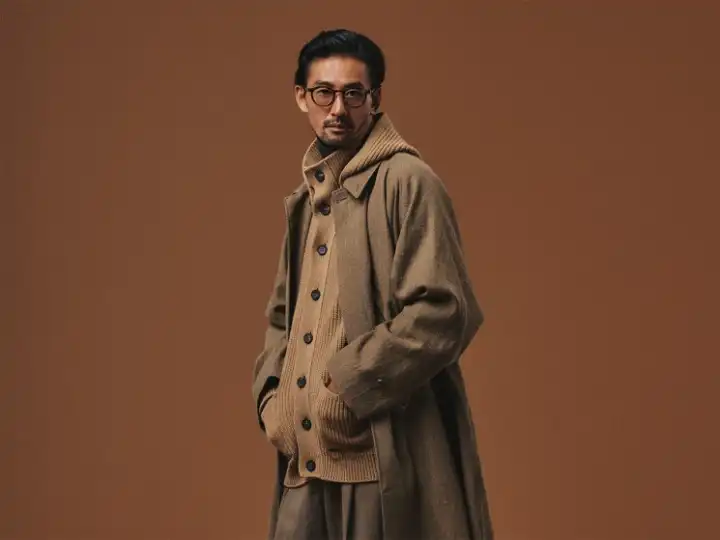
Pair darker, wintry shades with rich textures such as leather, suede and sumptuous wool for a layered and luxurious look.Coat byHerno, jacket byHeugn, rollneck jumper byHermès, Alpine Eagle 41 watch byChopard, glasses byLindbergCoat and trousers byKaptain Sunshine, cardigan byFilippo de Laurentiis, rollneck jumper byUniqlo, shoes byJM WestonOvershirt, rollneck jumper, trousers and shoes byBrioni, glasses byLindbergCoat byVisvim, rollneck jumper and trousers byPolo RalphLauren, shoes byJM Weston, glasses byLindberg, belt byAthisonCoat byYaeca Canvas Design, rollneck jumper and trousers byBatoner, boots byJM Weston, glasses byLindbergJacket byKaptain Sunshine, high-neck jumper byTod’s,Perpetual 1908 watch byRolexCoat byEngineered Garments, jacket byVisvim, rollneck jumper byUniqlo, trousers byBriglia 1949, boots byJM WestonCoat, rollneck jumper, trousers, socks and boots byLoroPiana, glasses byLindbergJumper byAspesi, jacket byCircolo 1901, shirt byAltea, rollneckjumper byUniqlo, trousers byKaptain Sunshine, shoes byJM Weston, glasses byLindberg, belt byHermèsCoat, jumper, trousers, boots and gloves byBurberry, glasses byLindbergCoat byMiu Miu, high-neck jumper byKaptain Sunshine, glasses byLindberg, Seamaster Railmaster watch byOmegaCoat byComoli, trousers byEngineered Garments, shirt byTakahiroMiyashitaTheSoloist, shoes byChurch’s,glasses byLindberg, scarf byContempoJumper and trousers byBeams Plus, coat byPrada, shirt byAspesi, rollneck jumper byUniqlo, socks byTabio, shoes byChurch’sJacket and trousers byEmporio Armani, rollneck jumper byUniqlo, shoes byJM Weston, glasses byLindbergCoat and trousers byEmporio Armani,jacket byStone IslandMarina, glasses byLindbergStylist: Akio HasegawaPhotography: Seishi ShirakawaModel: Ikken YamamotoGrooming: Kenichi YaguchiProducer: Ryo Komuta (Rhino Inc)

Spring clean: The pieces you need to refresh your wardrobe this season

Spring clean: The pieces you need to refresh your wardrobe this season

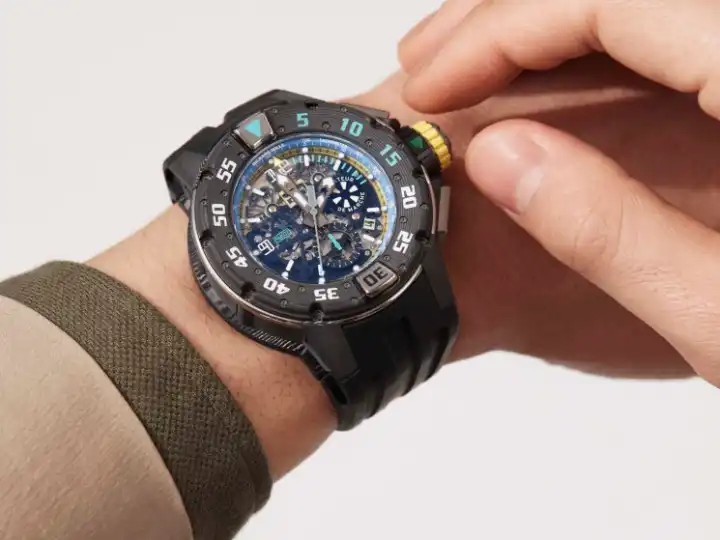
Jacket and shirt byZegnafromMytheresa, trousers byDe Bonne Facture, cap bySunspelJacket byOrslowfromSon of a Stag, shirt byZegnafromMytheresa, trousers byDe Bonne Facture, loafers byCrockett and JonesbyLoro Piana, sunglasses byLoro Piana, tie byDrake’s, belt byAnderson’sJacket byIncotexfromSlowear, polo shirt byCanali, RM 032 automatic flyback chronograph ultimate edition watch byRichard MilleTrainers byNew BalanceGilet byLavenham, exclusive toSon of a StagJacket byA Kind of Guise, shirt byKitonfromMytheresa, shorts byHevòJacket byStone Island, shorts byBaracuta, sunglasses byMoncJacket, shirt, trousers and bag byPradaShirt byStill by Hand from Couverture&The Garbstore, tie byDrake’sJacket and trousers byWhite Mountaineering, jumper byDe Bonne Facture, bag byMaison KitsunéXTopologieSweatshirt byAG Spalding & BrosfromClutch Café London, socks byFullcountfromSon of a StagSandals byJM WilsonAnorak and shorts byLoro PianaShoes byHereuJacket byMountain Research, T-shirt byHevò, trousers byPlan CSandals byRoaShirt byDe Bonne Facture, hat byHermèsT-shirt byFujitofromSunnysiders, trousers byStill by HandfromCouverture& The Garbstore, loafers byCrockett and Jones, bag byMountain ResearchSlip-ons byParabootfromCouverture & The GarbstoreShoes byYuketenfromSon of a StagJacket and shorts byHerno Laminar, trainers byNew BalanceJacket and shorts byAuralee, sweatshirt byAG Spalding & BrosfromClutch Café LondonBackpack byAble CarryfromMukamaCoat byDie Drei BergefromA Young Hiker, trousers byToogoodBag byGucciJacket byDie Drei BergefromA Young HikerHoliday hand-carry case byRimowaGardening set byGiorgio ArmaniTrainers byAltraXAnd WanderGilet byLavenham, exclusive toSon of a Stag, shirt bySunnysiders, trousers byDe Bonne Facture, loafers byCrockett and JonesJacket byIncotexfromSlowearScarf byWhite Mountaineering, sunglasses byMoncCarrera day-date watch byTag Heuer, overshirt byCanaliJacket byNorbitbyHiroshiNozawa

It’s time to embrace the season with new styles from the Monocle Shop

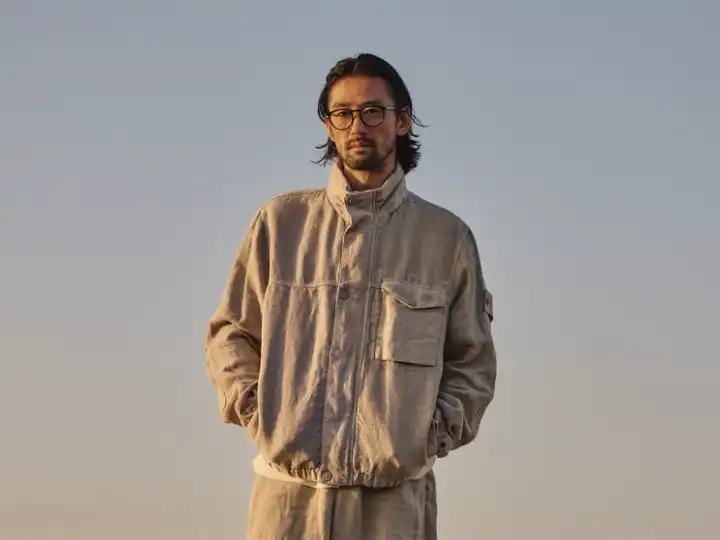
It’s time to embrace the season with new styles from the Monocle Shop

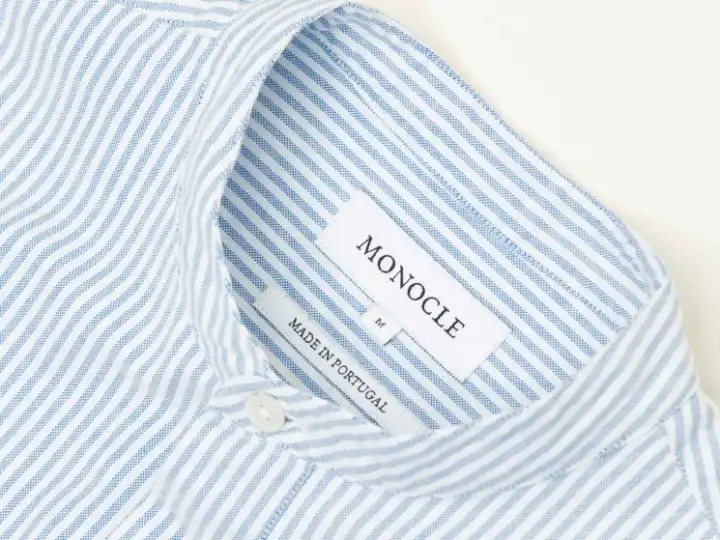
Summer camp-collar shirtThe Monocle summer camp-collar shirt is is washed to create a crinkled texture and a soft, timeworn feel, and it fastens with mother-of-pearl buttons. Made from organic cotton woven in Japan, this breathable style layers effortlessly for hot summer days.€175.00Colour:Ecru or oliveMaterial:100 per cent cottonMade in:PortugalOxford popover shirtA versatile addition to any wardrobe, this popover strikes a balance between the casual comfort of a polo and the refined look of a dress shirt. Tailored from the same fabric as Monocle’s oxford button-down, it has a sleek collar and mother-of-pearl buttons.€165.00Colour:Blue stripe or whiteMaterial:1oo per cent cottonMade in:PortugalCotton twill capTop off your look with this colourful, versatile cap. Made in California from 1oo per cent twill, this signature Monocle cap in gold, dark green or navy features an embroidered Monocle branding to the front and a tonal Monocle logo at the back. It’s perfect for walks through cities, a round of golf or simply masking a bad hair day.€70.00Colour:Gold, dark green or navyMaterial:1oo per cent cottonMadein:USASummer cotton overshirtTurn to Monocle’s take on this seasonal favourite. This overshirt delivers on both style and comfort. Made from organic cotton and woven in Japan’s Nishiwaki region, it has a natural washed finish, patch pockets and Corozo buttons.€245.00Colour:Olive or navyMaterial:1oo per cent cottonMade in:Portugal

Is the divisive New York fashion scene boring or brilliant?

Is the divisive New York fashion scene boring or brilliant?

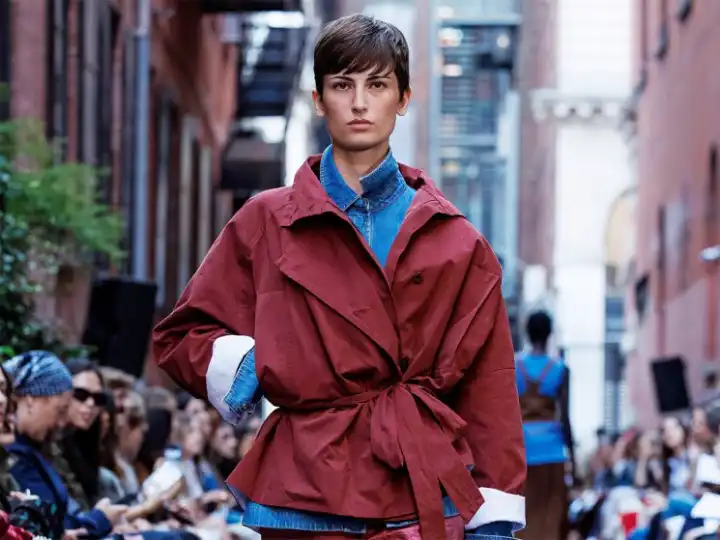
On the eve of New York Fashion Week (NYFW), Thom Browne, head of the Council of Fashion Designers of America, published an open letter to the city’s designers as they prepared to present their spring/summer 2026 collections. Browne told his colleagues to “remind everyone that true creativity still exists” and that “everything we do and say must be first for us… and then the world.” The note tacitly acknowledged the worrisome state of the US fashion industry. New York has always been the scrappy little sister of the more grown-up jamborees in Milan and Paris, and the city’s fledgling labels have been hit hard by tariffs and other events in the sector, including the recent bankruptcy of Canadian e-retailer Ssense. But the heartfelt letter was also proof of what sets NYFW apart. The world of fashion can feel overwhelming but New York’s scene is small enough to know that it is stronger when it bands together. However, reviews of this year’s NYFW were blunt, withThe Washington PostandThe Cutcomplaining that in their sobriety, tastefulness and stripped-back aesthetic, the clothes and the shows were nothing other than boring.Was Rachel Comey’s decision to unofficially kick off fashion week by presenting her collection in a Noho alleyway boring? Or was it brilliant? Guests sat on mismatched chairs and models applied their own makeup – they could have walked from the runway to Soho and looked right at home. Comey’s decision to eschew a large production was not only a good way to save money but also a way to strengthen the casual feel of her collection, which included relaxed suits and floor-skimming dresses worn with ballerina flats. Up your alley? Rachel Comey’s spring-summer 2026 runway show(Image: Alamy)Stepping out: Fforme’s fashion show during New York Fashion Week (Image: Jonas Gustavsson/Alamy)The easygoing aesthetic continued at Fforme, a young label led by Frances Howie, which was the fan-favourite of the week: models with loose hair walked down the runway in ankle-grazing trench coats, slinky strap dresses and flip-flops. New York-based Irish designer Maria McManus presented a small collection of handmade macramé dresses and light-washed baggy jeans, with coats carried under the arm or slung casually off one shoulder. Khaite was the top pick of Mytheresa chief buying officer Tiffany Hsu, who said that the brand translated “a sense of urban strength into silhouettes that remained wearable.” Expect to see Upper East Siders wearing hourglass-shaped ribbed tops and buttery leather jackets next spring. For these designers, perhaps being “boring” is the point – the concept lends itself to wearable items that New Yorkers want to take out of their closets.Global businesses such as Mytheresa continue to invest in the US – and in its high-spending New York clientele in particular. Shortly after the city’s fashion week, the retailer threw a bash at Philip Johnson’s Glass House in Connecticut to launch an exclusive capsule with Loewe, the LVMH-owned house now helmed by  two of New York’s most beloved designers, Jack McCollough and Lazaro Hernandez. Despite the headlines, there are still people who want to shop, as long as there’s quality and genuine experience on offer. Critics might have sneered at the lack of pomp and ceremony but haute-couture spectacles and high-voltage runways have always been best left to Parisians and the Milanese. American brands that have made it big – Ralph Lauren and Calvin Klein chief among them – never had high-fashion pretensions. They succeeded by making clothes for the preppy, style-conscious everyman. US designers have also discovered that there is an upside to keeping things local. The tariffs that have thrown international shipping into chaos only apply to finished goods, so brands that have always sewn their clothes in New York – including Rachel Comey and William White – now have a major advantage. “There is so much talent in the Garment District,” said William White designer Will Cooper at the opening of his new shop on Canal Street, which is also equipped with a bespoke clothing service. “It’s about supporting this community.”To those expecting the theatrics of European shows, New York Fashion Week might have been a little boring. But today’s generation of designers is showing that sustainable production and wearable styles are the future of the city’s fashion industry.Read next:Why it’s time for fashion weeks to return to phone-banning policiesWant more stories like these in your inbox?Sign up to Monocle’s email newsletters to stay on top of news and opinion, plus the latest from the magazine, radio, film and shop.Your EmailSubscribe

How Catherine Rénier is turning Van Cleef & Arpels into living art

How Catherine Rénier is turning Van Cleef & Arpels into living art

Luxury brands are always pursuing cultural relevance. Where many once focused their attention on pop culture and celebrity endorsements, today’s heritage fashion companies, jewellers and watchmakers seem more interested in forging partnerships with literary luminaries, choreographers, filmmakers and artists.Founded in 1906 by husband and wife Alfred Van Cleef and Estelle Arpels on Paris’s Place Vendôme, Van Cleef&Arpels has always immersed itself in culture. In the late 1960s, an encounter between Claude Arpels and choreog- rapher George Balanchine resulted in the creation ofJewels, a ballet dedicated to precious stones and presented at the NewYork State Theatre.(Image: Courtesy of Van Cleef & Arpels)Today the house plays a major role in supporting some of the world’s most important dance institutions, from The Royal Ballet in the UK to the Kanagawa Arts Theatre in Japan. It has also just introduced its own imprint with Italian publisher Franco Maria Ricci and runs L’École, a school of jewellery arts with campuses in Paris, Hong Kong, Dubai and Shanghai. There, people of all ages can sign up for courses in diamond grading, gemology or the history of art deco jewellery.All of this is part of the reason why Van Cleef&Arpels is now in a position of power, with a growing appetite both for the stories that it has to tell and for the products that it has to offer. Signature jewellery lines, including the Alhambra, have found a new generation of fans, while its watch business continues to expand, with one-of-a-kind automatons and complications produced in-house. Its jewellery watches are also growing in popularity among female collectors and soon the house will also be renewing its focus on men’s timepieces – Pierre Arpels designed the brand’s first men’s watch in 1949 for his own use.The brand’s new custodian is its CEO, Catherine Rénier, who spent 15 years in senior positions in the company before leaving to lead fellow Richemont house Jaeger-LeCoultre. Here, she tells Monocle about her homecoming and how she plans to maintain momentum.Why did you want to return to the brand as CEO?I spent 15 years at Van Cleef&Arpels in the beginning of my career so coming back felt very natural. The maison has remained true to its identity: it has always offered a very positive vision of life and that hasn’t changed. But everything is now on another scale and the initiatives are more impactful. L’École, for instance, now has four permanent addresses. When I was leaving in 2018, we had hardly opened one. Our festival Dance Reflections has also greatly developed. The project has taken on a life of its own and has a big impact on choreographers and the world of contemporary dance. My role is to continue that and, of course, make sure that the brand’s very old identity continues to blossom.Dance has long been a source of inspiration for the house. Is there power in consistency?Nature, dance, everything related to love or luck – all of these territories of expression are very clear within the maison. You know whether something belongs within the Van Cleef&Arpels’ world or not. Even when you look at nature through the eyes of the maison, it’s about colour, blossoming flowers and spring – it’s not an aggressive kind of nature. There isn’t only a territory of expression but also a specific view of that territory. Our strength is in being clear about our identity and being consistent over time in expressing it and fuelling our designs with it.The market constantly demands novelty. How do you find balance?Being consistent doesn’t prevent creativity. You don’t always have to change your source of inspiration. Take love – it’s a universal theme and we can express it in one way through the complications on traditional watches and in a completely different way in our automaton watches. There’s no need for us to perpetually look for new themes. We fuel ourselves from our patrimony.Speaking of your poetic complication, have you had to reconsider the purpose of the watch and even the way in which we tell time?Watches started as useful objects, which people used to tell the time or even help them as they travelled between time zones. They played some of the roles that our phones now play. For a house such as Van Cleef&Arpels, it’s now a lot more about the poetry of time or presenting another view on time. For another watchmaking maison, it might be more about technical expertise and the mechanical engineering that goes into the watch as an object of craft and complexity. For us, the mechanics will always come after the story – we do it the other way around. We are thinking about storytelling first and then put the mechanism at the service of it. Watches now have to play a different role – they’re less practical tools and much more art objects. This really is important when it comes to the way that the public looks at mechanical watches.With its signature padlock-shaped clasp, your Cadenas watch has stood out in the market this year. Why do you think that this design in particular appeals so much again?It’s a piece that dates back to the art deco period, which was an inspiring time for the maison and the art world in general. It has aged extremely well because it hasn’t changed – it has just improved. It’s a bold design but also remains discreet.You have to wear it to really understand it. I hope that it will take more of the spotlight this year. There is a love story that’s built around it [it was inspired by the duke and duchess of Windsor] and this year it’s clearly one of the stars of the show for us.Van Cleef&Arpels is primarily known as a jeweller. How did you go about developing your watch-making expertise?We started with a partnership and looked for experts who could assist the maison in expressing its vision of time. So the first poetic complications were done with watchmaking experts who brought in the solution. But over the years, our vision of time required new developments, new patterns and innovations. We began to integrate this know-how within the company so that the collaboration between the research and development teams, the design studio, the enamelling team and the watchmakers became more fluid. Now they’re all based in our workshop in Geneva. Since 2022 the development of all of the modules for the poetic complications has been done in-house to enable the story to go a step further.Is that why investing in education has been a focus?We spend time and effort talking about these jobs. What does it mean to be a jeweller? What type of career can you have? We educate people about this side of our world. It’s like apépinière[nursery], a breeding ground for young jewellers. Students are nurtured so that they can move on to take a role in one of our workshops. It’s a necessary effort because these jobs rarely come to mind when a young student is choosing their career path. You can’t just decide that you will go to an enamelling school – you have to find a spot in a workshop and be taught by a qualified enameller. So we have a role to play in creating more opportunities for older generations to share their experiences and convince younger people to join.Slowly but steadily, interest in craft jobs is increasing. Is that the result of technology fatigue?The world is always in search of balance. So traditional craftsmanship is serving as an answer to modern technology, to the very short life cycle of objects nowadays. You come to our world and you’re looking at timeless products.As your watch business grows, so does your presence atWatches andWonders in Geneva. Why is the fair worth the investment for you?It’s important for us to have a dedicated watchmaking moment to focus our attention on our watches, the novelties and the stories around them. More generally, the fair has risen to another level. It’s now a place where members of the public come at the weekend. Sales are not the objective; you have the boutiques for that. It’s more about education and bringing a new crowd into our world. I’ve seen young people and I’ve seen families with strollers – people are curious. It’s a rendezvous with watchmaking, like an art fair. It’s important for the industry at large because it shows how relevant watchmaking is today, even if you don’t need a timepiece to tell the time.vancleefarpels.com

Best boutiques in the world: Ven Space, Brooklyn

Best boutiques in the world: Ven Space, Brooklyn

When Chris Green opened the doors to Ven Space in Brooklyn’s Carroll Gardens, he knew exactly what kind of business he wanted to create: an intimate neighbourhood shop with a steadfast loyalty to the traditional bricks-and-mortar experience. The multibrand menswear boutique, which stocks a thoughtfully selected range of luxury clothing, shoes and accessories, does not offer any online shopping options – if you want access to its meticulous curation, you have to come in. Green is on the floor every day. “Retail has gotten away from the idea of the shopkeeper,” he says. Ven Space (venmeans “friend” in Danish) is open to the public from Wednesday to Sunday, while Mondays and Tuesdays are dedicated to private appointments.On the shop floor, you’ll find a mix of brands including Japan-based Auralee and Dutch label Camiel Fortgens. T-shirts from Our Legacy sit beside Dries Van Noten button-downs and even the shapely handcrafted ceramics dotted around the boutique are for sale. Green, who is a longtime resident of the leafy enclave that is Carroll Gardens, handpicks every item, guided by his personal taste rather than seasonal trends. “I don’t want to be everything for everybody, and I don’t think anybody can be – if you do, you lose the strength of your idea and your point of view,” he says. “So I started by thinking about what I would actually want to wear.” His commitment has paid off. Despite opening just nine months ago, Ven Space has already gained a devoted following, with regular customers popping in to snag new launches. “We pride ourselves on getting to know the people coming through the door,” says Green.ven.space.comYour next read is just a click away. Best boutiques in the world: Neighbour, Vancouver

How Chinese brands are moving from cheap knock-offs to global luxury contenders

How Chinese brands are moving from cheap knock-offs to global luxury contenders

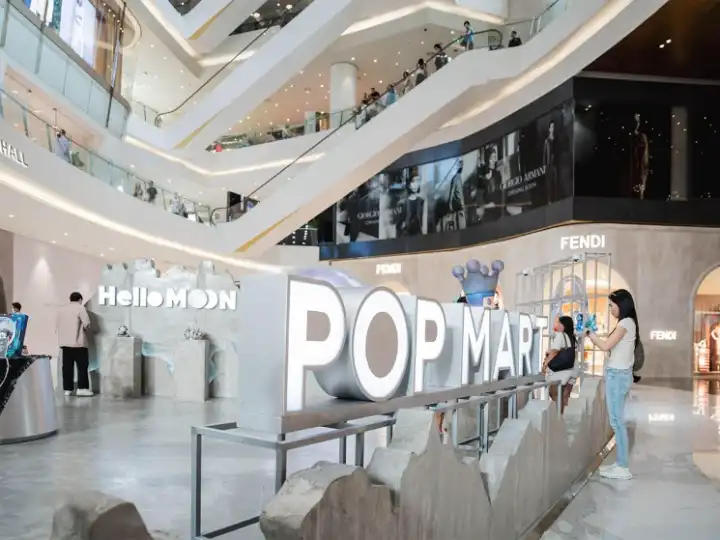
Crowds lined up at the Iconsiam shopping centre in Bangkok this month not for Louis Vuitton or Prada but for a dopamine-fuelled buying frenzy at Pop Mart, the Beijing-based collectibles giant that opened its largest global flagship in the Thai capital. Across town at Centralworld, a pop-up from premium bag brand Songmont – a cult favourite in China – is enjoying a similarly warm welcome at its first overseas outpost. Its €500 “Gather” handbags aren’t in the same league as Hermès or Chanel but they’re a far cry from the fast fashion of Shein or Temu. For the mid-career professionals queueing up, the brand’s Beijing roots are part of the appeal.Not your average mum-and-pop: The Pop Mart flagship at the Iconsiam shopping centre, Bangkok(Images: Alamy)Though Songmont wears its Chinese heritage lightly, it is leaning into pan-Asian storytelling. The ancient silk road (rather than president Xi Jinping’s revival plan) features heavily in slick marketing campaigns pairing idyllic pastoral scenes with the products’ minimalist design. One video shows smiling seamstresses in colourful, artisanal clothing working on the sunny steppes of what could be Inner Mongolia. The arrival of Chinese retail brands with better products, richer narratives and accessible luxury pricing is happening both across Southeast Asia. What stylish women are carrying around Shanghai is now considered cool and covetable by their peers from Jakarta to Singapore. Meanwhile, men are opening their wallets for Chinese technical- and active-wear from the likes of Benlai and Beneunder. Both are strong on simple wardrobe staples – a potential concern for the Lululemons of the world. Even the mighty Uniqlo could need to limber up for a rare bit of competition. Chinese entrepreneurs and creatives now talk obsessively about intellectual property as a genuine asset to be developed and protected. Meanwhile consumers across Asia are fully aware that a lot of the international brands that they buy are made in Chinese factories, despite the lengths that some firms and industries go to disguise it. After decades of outsourcing to China, it’s hardly surprising that the best technical and manufacturing expertise is found there.Furry friends: Labubu figurines and plush toys on displayRetail therapy: A happy shopper at Pop MartOf course, only time will tell whether these Chinese brands have staying power. Songmont’s influencer-fuelled buzz might fade away along with the queues at Pop Mart. But there are hundreds of other brands in China queuing up to go global. Brand China is cresting and we’ve already seen this play out in social media, skincare, electric cars and even coffee. The only thing that has gone out of fashion this year is the daft talk about “peak China”. Frankly, it’s only a matter of time before US shopping malls and European high streets start to see a similar influx of new retail tenants from China and increased competition for prime real estate. For a sign of what’s coming down the track, watch out for the veteran Chinese sportswear label Anta – a classic case study of Brand China’s long march from ridicule to respectability. For the best part of this century Anta has built up a huge network of pretty lacklustre stores in second- and third-tier cities around China. Good business domestically but Chinese kids weren’t setting off for school or university in the US with a pair of Anta shoes packed proudly in their suitcases. Previously, China’s answer to Nike and Adidas had to buy global credibility the old-fashioned way – by acquiring Western brands such as Arc’teryx and Salomon. Not any more. Now Anta is launching shoes with famous US athletes and getting ready to open its first standalone US shop in, of all places, Beverly Hills.If Chinese basketball trainers and leather handbags do take off in the US, they will be a lot harder than Tiktok or BYD for the White House to ban or shut out on national security grounds.Want more stories like these in your inbox?Sign up to Monocle’s email newsletters to stay on top of news and opinion, plus the latest from the magazine, radio, film and shop.Your EmailSubscribe

Monocle’s menswear picks from Tokyo

Monocle’s menswear picks from Tokyo

Italian iconAt Zegna, creative director Alessandro Sartori aims for a quintessentially Italian look: relaxed silhouettes, dropped shoulders and artisanal quality, mastered at the company’s historic Piedmont factory. Left: Suit and shirt byZegna, glasses byMykita.Right: Jumper byBeams Plus,shirt and t-shirt byGraphpaper,shorts byHerno,sandals byJM Weston,glasses byMykitaFree and breezyKyoto-based Graphpaper, is best known for its boxy supima cotton shirts, selvedge denim and relaxed tapered trousers. The latter look best when rolled up and paired with leather sandals on sunny days. Left: Shirt byVisvim,t-shirt byEton, trousers byGraphpaper, sandals byJM Weston,glasses byMykitaRight: Jacket byMoncler, shorts byLoro Piana, glasses byMykitaScience convictionPolyploid is a Berlin-based label, founded by Isolde Auguste Richly, a designer known for the scientific precision with which he cuts patterns and sources fabric. The result is meticulously crafted wardrobe essentials, including shirts manufactured between Germany and Japan. Left: Hoodie byVisvim,shirt and shorts byBodhi,t-shirt byComoli, glasses byMykita,SBGW301 watch byGrand SeikoRight: Shirt byPolyploid, trousers byEmporio Armani, sandals byJM Weston, belt byHermès, glasses byMykitaClassics reimaginedSans Limite is the brainchild of Comme des Garçons veteran Yusuke Monden. He started with a sharp edit of six shirts and has since continued to perfect his concept: wardrobe classics made well. Left: Jacket and shorts byPrada, shirt bySans Limite, espadrilles byPolo Ralph Lauren,glasses byMykitaRight: Jacket byLoro Piana, shirt byGraphpaper, jumper byZanone,t-shirt byEton, trousers byBeams Plus,sandals byJM Weston,glasses byMykitaCome rain, come shineHerno is an authority in outerwear, having been created in 1948 in Lesa, Italy, to fulfil a growing demand for raincoats in the region. Today the family-owned business remains our go-to for waterproof essentials made with durable, innovative materials. Left: Coat, shirt and trousers byBrioni, sandals byJM Weston,glasses byMykitaRight: Coat byHerno,shirt by Polo Ralph Lauren,jumper byBeams Plus,thermalshirt byPolyploid,trousers byBlurhms,sandals byJM Weston,glasses byMykita Sight to beholdThe appetite for refinement in fashion has returned – and with it, accessories such as hats, gloves and optical glasses are rising in popularity. Mykita remains our go-to for sleek, metal frames, made at the label’s high-end manufacturing facility in Berlin. Left: Jacket byComoli, shirt byGlanshirt, trousers byEmporio Armani, boots byJM Weston,glasses byMykitaRight: Jacket byStone Island, thermal shirt byPolyploid,trousers byAton, sandals byHenderScheme,glasses byMykitaLeft: Coat byHevò,jacket byPorter Classic,t-shirt byComoli, trousers byDevorè Incipit, sandals byHender Scheme,glasses byMykitaRight: Jacket byVisvim, jumper byComoli, polo shirt and trousers byPolo RalphLauren, BVLGARI BVLGARI watch byBulgari, glasses byMykitaStyling:Akio HasegawaGrooming:Kenichi Yaguchi Producer:Shigeru NakagawaModel:Ikken Yamamoto

Dressing the part: Five fashion brands at Salone del Mobile

Dressing the part: Five fashion brands at Salone del Mobile

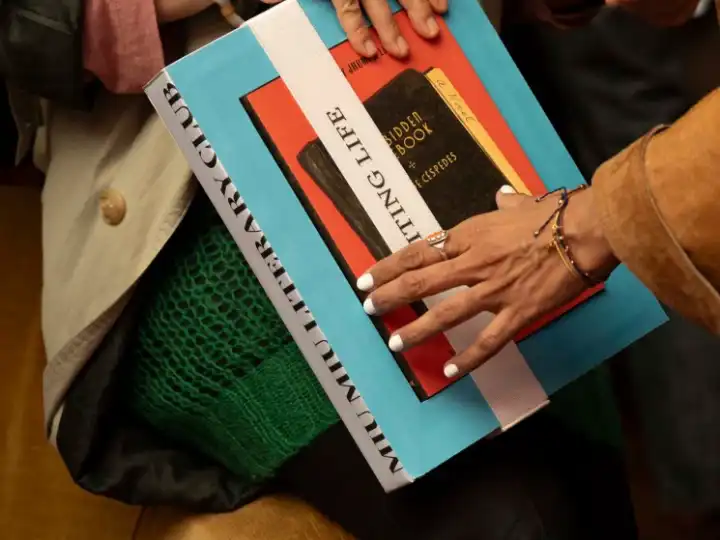
1.A-Poc Able Issey MiyakexAtelier OïLight work Issey Miyake’s A-Poc Able line aims to experiment with new technologies and craft techniques to highlight “the limitless potential of a piece of cloth”. “[This project could] extend far beyond the realm of clothing,” says designer Yoshiyuki Miyamae. “Fabric holds infinite possibilities.” It’s why the label is now looking beyond clothing and partnering with Swiss-based architecture studio Atelier Oï. The joint project, dubbed Type-XIII, features two series, which explore the possibilities of dressing lighting features with the house’s signature pleated and knit fabrics. The O Series includes portable lighting wrapped in pleated cloth that gently diffuses light. Meanwhile, the A Series uses Issey Miyake’s signature seamless knit fabric on lampshades of varying shapes and sizes. “These two series are not merely lighting fixtures,” says Miyamae. “They are objects that invite people to engage with the interplay of light and fabric, creating unique narratives within their spaces.”isseymiyake.com2.Luca FalonixWinetageChairs and graces Menswear specialist Luca Faloni is joining Salone del Mobile this year in a collaboration with fellow Italian furniture firm Winetage. They have co-designed a chaise longue with oakwood staves from a wine barrel, dressed in Faloni’s signature brushed cotton. “It transforms the space by creating a warm, welcoming environment,” says Faloni. “There’s visual and tactile comfort at the same time.”lucafaloni.com3.Miu Miu Literary ClubStarting a new chapterMiu Miu has joined the €1bn club. Its sales have been soaring thanks to creative director Miuccia Prada’s witty clothing, smart styling and her ability to tap into the world of culture. Apart from intelligent runway shows, the Italian luxury label has also been investing in the work of female artists. Its ongoing film series, Women’s Tales, has funded the production of 29 films by directors such as Joanna Hogg, Agnès Varda and Ava DuVernay. Recently, Miu Miu has dipped its toes in the world of literature, with a popular Literary Club and book kiosks popping up in cities including London, Milan and Tokyo. The Literary Club is making a return at the Salone del Mobile. Over two days the brand will host a series of public talks and performances at the Circolo Filologico Milanese. On the agenda? Women’s education, explored through the works of Simone de Beauvoir and Fumiko Enchi. miumiu.com4.Hermès: Collection for the HomeHeart of glassFrench luxury house Hermès is taking over La Pelota, in the heart of the Brera design district, to present a new iteration of its popular home range. This year’s collection includes Casaque glasses and extra large blankets, featuring graphic shapes and bold primary colours.Much like its sought-after leather goods, these new home designs highlight the brand’s dedication to the highest levels of craftsmanship – glasses are mouth-blown, while the circular shapes on the new cashmere blankets are the result of delicate needlework. Art plays a role too: Sudanese artist Amer Musa was invited to oversee the design of the blanket, drawing inspiration from checkers games.hermes.com5.LoewePot luck Wang Shu’s “Huan Cui”Akio Niisato’s “Luminous Teapot”Spanish house Loewe is as committed to its yearly presentations at the Salone del Mobile as it is to Paris Fashion Week. In the past it has delighted the design community with exhibitions dedicated to the art of weaving or presentations of one-of-a-kind chairs, giving artists free creative license to reimagine antique chairs (dressing them in wool, strips of leather or even foil) and craft new designs. This year the house is turning its attention to a smaller design object: the teapot. It has enlisted 25 artists and architects to create their own interpretations through an array of materials, techniques – and plenty of humour. “Ajisai” by Naoto FukasawaMinsuk Cho’s “Boa Teapot”Two designs by Madoda FaniIn signature Loewe fashion, creativity runs high: artists such as Rose Wylie, Akio Niisato and Madoda Fani experimented with exaggerated scales, different glazing finishes and unconventional textures. London-based architect David Chipperfield opted for a copper-clad handle, made in collaboration with ceramic artist Paula Ojea and jewellers Antonio Ibáñez and Josefa Castro. Their aim: to question the conventions around what a teapot should look like. “Spending so much time in cultures where tea-making is important has made me aware of the significance of the teapot as a central and useful object of daily life,” says Chipperfield.South Korean artist Jane Yang D’Haene decorated her design with frayed ceramic ribbons. “Teapots bring warmth and comfort, often facilitating shared experiences and conversations,” she says. “This aligns with my focus on capturing human emotions and personal history.”The presentation is accompanied by a selection of Loewe homewares, including Earl Grey tea-scented candles, leather botanical charms and tin-plated tea caddies. “Exhibitions like Loewe Teapots are an important complement to Salone del Mobile,” says Chipperfield. “They invite public participation and elevates the week from an industry gathering to a city-wide celebration of design.”loewe.com

A photographic tribute to Milan’s sciure: Icons of style, power, and cultural legacy

A photographic tribute to Milan’s sciure: Icons of style, power, and cultural legacy

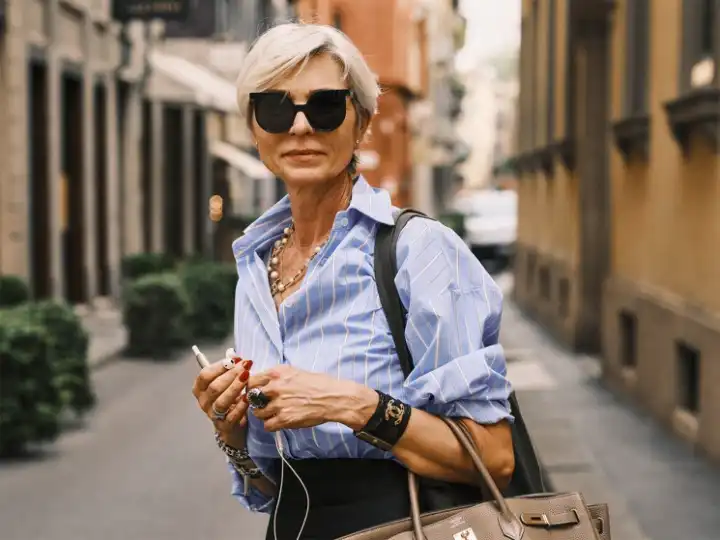
Fashion is often seen as the preserve of the young. But in arguably the most fashionable city of them all, Milan, ladies of a certain vintage are proving that dressing well is less about standing out, or having the latest ‘in’ logo emblazoned on a T-shirt, and more about cultivating a personal style that relies on sumptuous fabrics, elegance learned through experience and just the right amount of embellishment to turn the daily consumption of espressos and proseccos into a living lesson in how to present oneself. These ‘sciure’ have even become a modern style phenomenon. So who are they? We hit Via Montenapoleone to find out.Swaddled in furs and cashmere in the winter, linen dresses and silk jackets in the summer, and gold jewellery with permed coiffes all year, the figure of thesciuralooms large in the Milanese psyche. In kid-leather gloves, this high priestess of taste can be found sipping a cappuccino at Cova in the morning and an aperitivo at the Salumaio di Montenapoleone or Sant Ambroeus in the afternoon, alternating effortlessly between espresso and prosecco throughout the day. She has a box at La Scala and shops exclusively at independent boutiques, be it for Bottega Veneta leather goods at Antonia or pasta at Rossi&Grassi. She’s elderly, wealthy and rarely spotted beyond the confines of the upmarket neighbourhood of Brera (unless it’s the weekend, when she’s at her second or third home in Brescia). She’s a natural project manager, fluttering around her palazzo, organising elegant dinner parties and bossing around her housekeeper, butler and cook. She is a uniquely Milanese phenomenon, though it is unclear whether she belongs to the city or if the city belongs to her.She also, for better or for worse, no longer really exists – at least in such a codified form. This is partly because the type of wealth associated with asciura‘s rarified lifestyle belongs to a bygone era in European countries, even in aristocratic Milan. Today the Villa Necchi Campiglio is no longer a family home but open to the public as a relic of its time. Despite this, the legacy of Milan’s status as a city of nobility lives on through its distinguished residents and, in particular, its leading ladies. The term itself,sciura(pluralsciure), is part of the local dialect and derives from “sciur“, the Lombard word for “mister” or “sire”. Perhaps unsurprisingly, it implies its fair share of negative connotations – a self-entitled, snobbish attitude and an unashamedly elitist view of society – but calling someone asciuratoday is more of a hyperlocal joke than an insult. In recent years, the figure of thesciurahas even become a social media phenomenon and a kitschy marketing tool for Italian brands such as La Double J and The Attico, or the popular Milanese restaurant Sant Ambroeus. Ironically, this type of publicity is one that a truesciurawould shy away from, classifying the limelight as horrifically gauche.Regardless of the state of the veritable sciuratoday, it is undeniable that women in Milan above a certain age are particularly stylish, more so than in other Italian or other European cities. As the residents of a fashion and design capital, home to Prada, Armani, Marni and Salone del Mobile, the Milanese embrace the notion ofla bella figurato an extreme, taking immeasurable pride in putting their best foot forward and wearing their dignity on their sleeves (even when riding the tram or grocery shopping). “For some, it’s not just fashion, it’s a way of life,” says Giuliana d’Angeli, a Brera native. “It’s our culture and someone who is not from Milan can only attempt to replicate it.”It’s 09.30 on the Via Montenapoleone and Monocle is seekingsciure. We’ve come to Cova, a glitzy café that verges on the gimmicky; in any other city, it would be the preserve of tourists. But this is Italy and the gilded institution is actually frequented by well-heeled Milanese drinkingcappucciniserved by waiters in tuxedos. Regulars file in, designer bags and sunglasses in hand. They loudly greet each other between even louder phone calls.As we approach our first candidates forsciure, it transpires that it is a term that many women recoil from. That’s partly because it implies age but also a standardised look and a lack of sartorial originality. “I’m 73 and trying to dress for my age,” says d’Angeli. “But I could never be asciurabecause they follow a fashion rulebook whereas I rely on my own instinct. I don’t feel old enough to be considered asciura. I’ve lived in Milan for 40 years, and the city has disciplined me. I shower then moisturise and put lipstick on every day.” After further terminological discussion, other women will admit that it can be taken as a compliment (depending on tone and context) and it implies that you are exquisite, refined; you have a Milanese attitude and you, my dear, are looking particularly stylish today.We continue to comb the streets of Brera and find more manicured women in cream dresses, high heels and floral blazers. Some of them nonchalantly carry bouquets of flowers, the day’s copy ofLa Repubblicaor, in one case, a chihuahua named Amalia. Often, a well-heeled husband in Gucci loafers and with a silk pocket square waits patiently in tow as we initiate a discussion with their wives. A rigmarole almost inevitably ensues, wherein suspicion and reluctance to draw attention to oneself is eventually replaced – after considerable flattery by Monocle’s Venetian photographer Andrea Pugiotto – by five minutes of expert posing in front of the lens.“The only style icon I follow is myself,” says Bianca Fersini Mastelloni, chairman and CEO of communications agency Polytems. “And maybe Audrey Hepburn,” she adds, in her beige Valentino dress and gold doorknocker earrings. Being in the presence of these women is a lesson in perennial chicness and letting personal taste speak louder than any logo.Despite the fashion world’s obsession with youth and a fast-paced calendar of never-ending novelty, these women’s assurance in their own style and taste is one that younger generations should aspire to as an antidote to passing trends. If there is one thing that these women can uniformly agree on, it is the state of fashion today and how younger Italians dress too casually. “It’s changed for the worse!” “Everyone looks the same!” “Don’t get me started on ripped jeans!” (Nothing sends a shudder through these women like the thought of ripped jeans.) The truisms and advice given to us throughout the day range from paying attention to colour-coordinated details to the importance of wearing tights and jackets in formal settings, including restaurants. Ultimately, these women admit to mourning a loss of formality, where no rules also means no liberty. “What can I say?” one woman asks me with a sense of fatality. “You either have style or you don’t.” Marva GriffinVenezuelan-born Marva Griffin has called Milan home since the 1970s. In 1998, she founded Salone Satellite, a part of Milan Design Week that showcases emerging designers from around the world. When Monocle catches up with Griffin over a glass of wine in her Brera apartment, she can’t help but despair at fashion today. “Did you know that people pay to have rips in their jeans?” she says.Nina YasharNina Yashar is the founder of Nilufar, an influential gallery that has been bringing contemporary and historic design to Milan since 1979. When we meet her at Nilufar Depot, Yashar wears green Ferragamo shoes, a blue Prada shawl and one of her trademark headpieces.Rossana OrlandiRossana Orlandi left her job in fashion for the world of design in 2002. Monocle meets her at her gallery in the Magenta neighbourhood, where she greets us in a vintage Chanel coat and shoes from Milanese boutique Wait and See. “I keep everything – I have owned the same dresses since forever,” she says. “I follow my mood and feelings when I get dressed.”

Interview: Walpole’s CEO, Helen Brocklebank, on the need-to-know trends emerging in luxury

Interview: Walpole’s CEO, Helen Brocklebank, on the need-to-know trends emerging in luxury

Helen Brocklebank is the chief executive of Walpole, the official sector body for the UK’s luxury industry. As the wider industry faces economic uncertainty, there are still opportunities aplenty if you know where to look. Here, we talk to Brocklebank about emerging trends and Walpole’s role in supporting UK talent. What trends in the industry are you seeing emerge? From the customer’s point of view, the origin and personality of the product’s place of production is increasingly important. There are very interesting national characteristics in the premium market. French luxury is opulent and there is an element of art for art’s sake. The Italian economy is slightly broader with many entrepreneurs and founders of brands such as Prada and Armani. Then there are other sectors including design, hospitality and gastronomy. The UK industry is broad as well, with 12 sectors. There are the personal luxury brands, which include Burberry, Manolo Blahnik, Mulberry and Dunhill, all the Savile Row tailors, Church’s shoes, Boodles and Jessica McCormack among others. But the biggest sector is premium automotive: think world-class manufacturers such as Bentley, Rolls-Royce, Aston Martin and Land Rover. Then there’s food and drink (scotch whisky is the biggest UK export in that category), hospitality, beauty and fragrance. The idea of taking into consideration where something is made is a real theme in all of these categories. The market is much tighter this year for premium goods. Of course, there is an external context with geopolitical upheaval and financial turbulence. In the UK, of the £81bn (€96.2bn) value that the industry has, £56bn (€66.5bn) is destined for export. So international customers – particularly from the US, the Middle East and APAC – are hugely important. When one catches a cold, or all as they have recently, that causes disruption. During this global recalibration of the industry, there has been a period of complacency. The slowdown has been a shock but one that brands have leaned into very quickly. This is why we have seen numerous international labels change creative directors. It’s because creativity is the secret sauce of luxury.Constraint is the godmother of ingenuity. You have to focus on the true fundamentals of premium craft, which is creativity, extraordinary craftsmanship and quality that gives customers a reason to believe in provenance. Scarcity is a factor as well, a term rarely mentioned in the business recently. The UK’s luxury industry is uniquely placed to win in this market because of its unique entrepreneur-led brands that value new ideas. Which sectors do you see new opportunities in? Transformative luxury or the idea of transforming the self by optimising our bodies. At the extreme end, it’s about biohacking and extending lifespan. But how can we make sure that our life is as rich as possible in every way? It’s where medicine and premium care meet. When you’ve got everything you can own, luxury becomes what money can’t buy. In this slightly constricted market, we’re still seeing growth in the top end. About one per cent of the consumer base is responsible for 40 per cent of purchases. Every brand is looking to see how they can better understand the needs and passions of their very important customers (VICs) and how to deliver products in a way that feels meaningful. Personalisation of experience relies on knowing the buyer’s behaviour and how it changes according to geographic region. What a VIC wants in the US will be different to those in China.There are big opportunities despite the tariffs and the Chinese market. China accounts for 11 per cent of the UK’s luxury exports and it’s a rapidly developing economy that is growing by five per cent a year. There’s no systemic fault in China’s economy – it’s an 18-month to two-year problem. So how do we make better and meaningful inroads into their market? The consumer base is there, so it’s up to the brands to drive the beauty and message behind a product. How much more relevant will the ability to cross disciplines become?For any successful label, the starting point is the customer’s lifestyle. You must ask: how can we show up in as many places in their life as possible? Prada now creates tableware and Armani Casa has been around for a long time. Even Bentley has a design division. It will be interesting to see how that cross pollination continues. It’s good to know how you can become part of your customer’s world. With a manufacturing facility’s skills, you could be making a beautiful chair while also making a great pair of shoes. Johnstons of Elgin produce incredibly high-quality cashmere in Scotland for all the top-end international brands but they also do the most luscious interiors. It was able to translate its gorgeous cashmere blankets into an armchair, curtains and even wall coverings. There is a balance to preserve; a brand shouldn’t forget its core and try to do too many things. But you have to be playful. Luxury must not forget that it is about joy and fun. How does Walpole support the luxury industry in the UK? Walpole is the only sector body in the country that acts as a collective voice for the boutique market. We don’t have an LVMH or a Kering – we have lots of extraordinary independent brands. As a convening body, Walpole’s power to bring them together is incredibly important. At a time of great challenge, unity and knowing that you can win as a group is more important than ever. Our mission is to protect, promote and develop the business of luxury. Last year, the industry was valued at £81bn (€96bn). It will continue to develop but if we don’t work as an organisation, we can compromise that great growth trajectory. Politics really matters right now, so we have been focusing on the US tariffs – particularly in getting them reduced in the automotive sector.  We are also focused on what the government can do to mitigate the impact of those tariffs by getting tax-free shopping back so that we can compete with Europe by encouraging US customers to spend in the UK. Additionally, we hold events designed to feed the collective intelligence of this sector. We share with brands where the opportunities are, what the VICs are after and what the newest trends are.  We also have a programme called Brands of Tomorrow that nurtures up-and-coming labels and creates an organic pipeline for growth. It has been 18 years since we began the programme and 150 brands have come through it, 90 per cent of which are still in business. We’re bucking the trend of early-stage failure. The enthusiasm for new names is where the UK can win. If you’re a sophisticated customer, finding something new and interesting that is also beautifully designed is a form of luxury.Want more stories like these in your inbox?Sign up to Monocle’s email newsletters to stay on top of news and opinion, plus the latest from the magazine, radio, film and shop.Your EmailSubscribe

Inside Renzo Rosso’s bold strategy for OTB’s resilience and growth

Inside Renzo Rosso’s bold strategy for OTB’s resilience and growth

With his leonine features and all-black uniform, Italian-born Renzo Rosso cuts a distinctive figure in high-fashion circles. He is the founder and chairman of Vicenza’s OTB Group (short for Only the Brave), which owns a portfolio that includes Diesel, Jil Sander, Marni, Viktor&Rolf and Maison Margiela. In 2024 the group reported a turnover of €1.8bn, resisting the broader luxury slowdown and laying ambitious plans for an IPO and expansion in markets such as Mexico and the Middle East. Though he admits that luxury is “now in crisis”, Rosso remains optimistic.His recent hiring decisions and willingness to take risks have received much praise. From entrusting the up-and-coming Meryll Rogge with Marni to bringing experimental Belgian designer Glenn Martens to Maison Margiela and poaching Bally’s Simone Bellotti as Jil Sander’s new creative director, there’s plenty to look forward to at OTB.When Monocle meets Rosso at the Jil Sander HQ in Milan, he is deep in conversation with Bellotti about his debut spring/summer 2026 show. Racks of crisp shirts and overcoats are wheeled away as we sit down with him. In his black shirt and jeans, he personifies a certain ideal of a laidback CEO but, as the conversation veers towards retail strategy and supply-chain audits, it’s clear that he means business.It has been a tough year for the fashion industry. How have you been navigating the upheaval?Wars, political instability, taxes, duties – it’s complex. People are spending less and questioning whether they need more clothes when their wardrobes are already full. How do we come out of this? By fostering a better connection with the end consumer. Shop traffic is also falling. In China’s malls, it has decreased by 50 per cent; in Europe, it’s at minus 8 per cent. The US is at about minus 17 per cent. How can we pay our rent and employees? The answer is by relationship-building and convincing existing customers to increase their spend. To do so, we need to tell our clients the stories behind our products. [UK fashion designer and former creative director of Maison Margiela] John Galliano was the master: every dress had a story behind it. Storytelling sells a product. We’re well placed to do this because at OTB we have always promoted creativity. And through creativity, you gain respect.What is your approach to hiring talent?I’m very close to the hiring process of our creative directors. Before hiring John [Galliano], I met him every few months for two years. I would always tell him, “I want to work with you – when you’re ready, tell me.” One day after dinner in Paris, we went to Maison Margiela and I showed him the archive and what the house represents. That’s when he came on board.I’ve never designed a thing in my life. I’m just someone who knows the market and who has worked with incredible creative directors who taught me how to have an open mind. At the moment, brands are changing creative directors like soccer players, moving them from team to team. With OTB, I think in periods of 10 years.A decade is a good length of time for a person to be at the helm of a brand. The first few years should be about learning the DNA of a house and not necessarily succeeding. Once that’s established, a creative vision can be developed and market appeal grows. Then, after 10 years, you need to give a touch of modernity to a brand, a refresh. That’s what happened at Margiela and Marni.When we hire a new creative director, I’m not just looking for someone who ticks the boxes of working at Dior, Gucci or wherever. I’m looking for someone who can do ready-to-wear, jewellery, shoes and bags, interior design and cosmetics. With Jil Sander, we looked at 17 potential creative directors. Three of them were some of the biggest names in the industry. I told them to prepare a plan to turn the brand into a luxury house comparable to Hermès. I asked the same of Meryll [Rogge]. I was impressed by how much these designers loved the Marni brand. They knew the history of the house better thanI did. In the end, I chose Meryll because her vision was perfectly in line with how I wanted to drive the brand forward. And I was looking for a woman because, for me, Marni is a brand that appeals to a woman’s mind.What are the benefits of being a smaller group compared to bigger conglomerates such as LVMH?I don’t dream of having a gigantic company – we’re not LVMH but we can be cool and less bureaucratic. I want my team to work with fluidity and an emphasis on creativity and sustainability. I like being able to catch up with people over lunch or dinner and create relationships.OTB owns Italian leather goods maker Pelleteria Frassinetti and, last year, purchased shoe company Calzaturificio Stephen. Are you aiming to own your supply chain?The goal is to protect our manufacturing. We’re currently doing audits on everyone who works for us and you can’t stop at the first layer. You have to check if the suppliers that you have hired are outsourcing the work to others.There are many ways to do so: for example, if electricity is being used at night, it could be because work is being outsourced to people who are underpaid and doing night shifts. So you can check the electricity bills. The stricter you are, the less likely it is that these things will happen.Are you still planning on taking OTB public?Yes, I’m just waiting for the right moment. I don’t need money; we’re cash-flow positive. I want to do it for my successors and for transparency. My dream is for all of my employees to be my business partners, even if they own just a single share. I want us all to be able to say that OTB is “our company”.

How Nonna Lietta’s founder keeps the brand woven with love

How Nonna Lietta’s founder keeps the brand woven with love

“The first designs that I created for Nonna Lietta were all inspired by my grandmother,” says Greek-Italian designer Lietta Kasimati from her Athens studio. It’s on a cobbled street that hedges the National Archaeological Museum, right in the bustle of the city. You can imagine Kasimati’s grandmother – a 1960s aesthete with Roman origins – walking down these alleys wearing a swipe of red lipstick, a fine knit and a pair of heels (always).It’s the influence of grandmother Lietta – her granddaughter shares her name – that anchors the brand; its pieces have a handmade sensibility that’s classic and gentle, and are threaded with a little whimsy. “When my grandmother knitted, she liked to add small details,” says Kasimati. “If there wasn’t a pretty adornment, there was colour: bold splashes of it. She has passed down her love of knitwear to me.”Lietta KasimatiNonna Lietta’s genesis came when Kasimati was at a crossroads in her life. She was living in Belgium, working in fashion retail, and had to decide between a progress-marked career path that stretched comfortably ahead of her or a riskier, entrepreneurial adventure. She returned to her native Athens and launched Nonna Lietta in 2018, while Greece was still riding the stormy waves of the financial crisis. Design and daily operations took place in Athens, while production was outsourced to Barcelona.Eight years on, the brand has grown an international customer base (the US is its biggest market) and Kasimati has been able to turn her focus to Greek manufacturing, joining a growing group of young entrepreneurs who are helping to slowly revive the dormant sector. Nonna Lietta’s sheep yarn is sourced from high in the mountains of northern Greece, where the label’s current manufacturing partner works with shepherds from the area to source and spin wool exclusively for her. It’s raw, unprocessed and, says Kasimati, “as natural as it gets”. It’s then made into knitwear – slouchy vests, thick, woollen cardigans, delicately ruffled tops – in Athens.The rest of the yarn, a premium blend of eco wool and alpaca, is sourced in Italy and the pieces are produced in Spain. Kasimati describes Nonna Lietta as an essentially Mediterranean label, with its combination of Italian, Spanish and Greek yarns, craftsmanship and sensibilities.Inside the studioThe newest collection includes elegant navy and pastel “winter bloom” hues, as well as playful star intarsias. “I want our pieces to remind our customers of their childhood, to take them back to that old feeling of warmth,” she says. Nonna Lietta is only sold via the brand’s website and various pop-ups. Kasimati travels to New York every year, as well as occasionally to London, Amsterdam and Paris, to host pop-up shops but her time spent in large-scale retail confirmed to her that wholesale shouldn’t be part of her business model.She is also in the process of moving to a bigger studio to continue expanding the label’s production, slowly and steadily. “I never dreamed of a super-big brand,” she says. “My dream is really to keep being creative, to maintain our values, to keep it all sustainable.”Next, Kasimati plans to take on Asia, to bring the message of fine Greek production and craftsmanship to further-flung shores, plus expand and experiment with more yarns. “I want people to invest in our ethos,” she says. “And not just buy for the sake of buying.”nonnalietta.com

How Moda Operandi’s co-founder is changing the face of luxury ecommerc

How Moda Operandi’s co-founder is changing the face of luxury ecommerc

In the mid-1990s, Lauren Santo Domingo was one of those lucky New Yorkers who managed to secure a highly coveted assistant position at AmericanVogue. She could have easily continued climbing the masthead (she was later promoted to be an editor) and enjoying the perks of the job – access to fashion shows, Vogue’s famous samples closet and designers’ inner circles. But she had a different vision, fuelled by her passion for bringing people together. It has long been common knowledge in the fashion industry that her dinner parties – usually involving caviar, stiff martinis and relaxed smoking policies – are not to be missed.In 2011 she co-founded Moda Operandi, an online trunk show business that offers customers the kind of privileges previously only available to magazine editors: meeting the designers and ordering full looks straight from the runway. It’s a novel business model that was quickly embraced by luxury shoppers worldwide, allowing Santo Domingo to expand to new categories such as homeware and raise multiple rounds of funding.Like many e-commerce businesses, there have also been setbacks, from severe sales slowdowns to the closure of all physical showrooms during the pandemic. But unlike some of its competitors, Moda Operandi has been able to weather the storm, buying out its private equity investors, hiring a new executive team and continuing to offer some of the best curations in the market. Today the company “has never been stronger”, according to the ambitious entrepreneur. She has also been taking advantage of the renewed stability at Moda Operandi to take on more challenges, as artistic director of Tiffany&Co. Home and founder of a new fund, St. Dominique Capital. Her first venture? An investment in The Row, a label that is quickly becoming the pinnacle of American luxury. Here, she explains how she plans to keep up the momentum.Tell us about the initial idea for Moda Operandi.The fashion industry has really enriched my life, and it’s [an experience] I’m always happy to share. I wanted to give customers first choice because they enjoy fashion and want to be part of the beginning of the cycle. We’re still the only ones who are making the fashion runways accessible and letting people experience the head-to-toe runway look rather than just seeing a pair of trousers hanging on a rail.How important is meeting these customers in person? Are there any plans to reopen yourphysical showrooms?During the pandemic we weren’t doing anything in-person for more than two years, so we decided to pause that side of the business. But now, we’ll be focusing on opening in the US; New York, Los Angeles and Miami are definitely a priority. Following Brexit and the changes in Hong Kong, those markets have become less of a focus for us given the increasing difficulties in doing business there.What is your take on the broader luxury industry challenges at the moment? Is there an effect on Moda Operandi?When Moda launched, department stores had all the power but then there was a shift, with power being handed to the luxury conglomerates. Now they’re both really struggling [to cope] with their sizes. For us, there’s an advantage in being independent and more nimble. A lot of the struggles that the industry is having are also a result of [prioritising] hype versus quality and relying only on big names.You are just as passionate about homeware. Tell us about the business’s expansion into the category.We used to do these beautiful tablescapes to stand out from the typical fashion events and people were asking to buy the tablecloths and plates from our parties, so we launched our own capsule collections and built the category from there. Typically, entertaining has been attached to etiquette and a very traditional, old world. What we did wasn’t about formality or rules; it was focused on colour, great fabrics and creative expression.Is that what drew you to take on the artistic director role at Tiffany&Co Home?There’s a side of me that appreciates a real American sensibility – I’m a devotee of that world and Tiffany is such an iconic, heritage brand that’s embedded in the American psyche. This blue box has become synonymous with so many life milestones and there’s an opportunity to see this brand translated for the next generations.You’ve also been investing in some of the brands you’ve been working with. Why did you decide to also add investor to your CV?I don’t care where a venture capitalist sits, they’re never going to have the intel and the data on these brands that I do. I have a front-row seat and the ability to understand whether a brand is a one-hit wonder, or has some creative longevity. We are also looking at investing via Moda Operandi, as we have so much at our disposal to push these businesses, from a wholesale force, to merchandising and warehousing experience. Taking an equity stake just incentivises us to be a better partner.Do you think that fashion brands will be better off partnering with industry veterans rather than private equity investors? What was your experience with Moda?We were all drawn to the private equity boom for a while – and don’t get me wrong, it was fun while it lasted. Everyone thought that they could become a unicorn but there’s a reason why unicorns are so rare. At their core, our businesses need to be about customers and designers. We put our private equity days behind us at Moda and since then we’ve been able to really hit our stride. Private equity investors had some success with the grocery sector in Canada and they thought that they could apply the same logic to fashion, given the seasonality of the product. But our industry doesn’t work like that; this business is about instinct and relationships. We were lucky to get out alive.

Meet the founders of Sasuphi, the womenswear brand that’s equal parts professional and chic

Meet the founders of Sasuphi, the womenswear brand that’s equal parts professional and chic

“This is a new vision of power dressing,” says Sara Ferrero, pointing to lightweight cashmere cardigans, satin tube skirts and breezy crêpe-de-Chine shirts by Sasuphi, the womenswear label that she co-founded in Milan with Susanna Cucco in 2021. Ferrero and Cucco are widely known for their exceptional taste and stellar CVs, which include executive positions in some of the city’s most established fashion houses. Ferrero, a former investment banker and consultant, worked as CEO of Valextra and Joseph. She was also a general partner at Neo Investment Partners, leading the private equity firm’s investments in beauty and fashion; and remains a board member at Ferragamo. Cucco has spent decades working as an art director for companies such as Max Mara.Sasuphi founders Susanna Cucco and Sara FerreroSatin separatesEven after seeing the output of some of the biggest houses in the world, both Cucco and Ferrero felt that the luxury fashion market was missing a sense of pragmatism – bold designs that can still fit into day-to-day life. “Fashion designers create according to their vision, not according to what women want to wear to feel good,” says Cucco, also pointing to fashion’s perennial obsession with youth culture. “We thought that there was space for women like us who are not necessarily young; people who work, who have meetings in the day and events in the evening,” says Ferrero.That’s how Sasuphi was born – from a desire to offer well-made, adaptable clothes that won’t go out of style in just a few months. “The market is insulting the customer when it offers clothes that become irrelevant after one season,” says Ferrero. Instead, Sasuphi makes pieces that “you don’t want to let go”. Designs from previous seasons remain part of the collections, styled with new-season creations, the focus always being on clean-lined silhouettes inspired by architecture rather than fashion trends. “Living in Milan, you’re surrounded by buildings by some of the best talents of the 20th century, and that shapes how you think about design,” says Ferrero. “Architecture is also about functionality,” she adds, while sitting at the long conference table of Sasuphi’s showroom-cum-studio, which occupies the sunny first floor of one of Milan’sgenteel residential palazzos in Brera. “We bring the geometry of architecture to our clothes.”Brera palazzo that’s home to SasuphiJacket made for layeringStep on into SasuphiClose inspection of their pieces reveals outstanding Italian fabrics sourced from the country’s best textile makers: thick silks from Ratti in Como, finespun cashmere from Cariaggi, heavy cotton shirting from Albini and wool from Zegna’s famous facility in Piedmont. “As Italians, we want good ingredients,” says Cucco, who firmly believes that everyone deserves to wear natural materials. “They’re luxurious on the skin, plus they breathe in the summer and retain heat in the winter – the original tech materials.”Despite the pair’s industry connections, Sasuphi launched without investors and without a marketing team. “We needed independence in order to follow our values,” says Cucco. “And it’s working.” The brand is now available in more than 50 top outlets worldwide, from Net-a-Porter to Bergdorf Goodman, and sells out quickly.For spring the label’s collection focuses on a potent, mood-boosting colour palette, from poppy red and periwinkle blue to hyacinth pink. Colour is a form of “gentle power”, says Cucco, who wears pink-framed glasses.Cucco’s in-process outfit ideasThe line also includes lightweight, fuss-free styles, from silk trenches to voluminous knits and silk T-shirts, which can be easily layered, becoming the cornerstone of any spring wardrobe. As the two women pull items from the showroom racks – white trousers that button down the sides, a butter-yellow shirt dress, a silk khaki T-shirt – they restyle themselves as they go, creating various combinations with every garment. That’s the best way to wear Sasuphi.Ferrero and Cucco also demonstrate how adaptable their designs are by taking them on the road and hosting trunk shows around the world. “As a small company, this is the best way to generate interest,” says Ferrero, explaining that even the smallest in-person trunk show creates opportunities to connect with customers, share stories and showcase the garments’ artisanal quality. “You don’t need 100 million followers on social media. You don’t need followers, period. You need fans. You need 1,000 people who believe in you and buy your products.”sasuphi.com

Style Directory: Our top 25 seasonal styles

Style Directory: Our top 25 seasonal styles

For our seasonal rundown of the best in spring style, we present the top designers, creatives, products and brands on our radar – from the irreverent bursts of colour on a new Prada trainer to Saint Laurent’s fresh take on double-breasted blazers. Plus: the luxury watches making us tick.1/25Tod’sItalyTod’s has been an authority in leather goods for decades but ready-to-wear has made up a smaller part of its business. Things are changing under Matteo Tamburini, its recently appointed creative director. For spring he is combining lightweight tailoring with breezy cotton shirts, draped dresses and pleated leather pieces. His sunny colour palette has also been a crowd-pleaser. Expect Tamburini’s star to rise even higher in his new role.tods.com2/25InformaleAustraliaMelburnian menswear label Informale is bringing Neapolitan flair to its home city. After working for luxury labels such as Zegna and Gucci, Steve Calder, the brand’s co-founder and creative director, decided to introduce a more relaxed suiting approach to Australia, chiming with the country’s sunny lifestyle. “Men here want to dress up but aren’t necessarily comfortable in a suit,” says Calder. “So we started to make linen trousers that can be worn with tailored blazers. And from there, we grew through word of mouth.” Informale’s core collection includes shirts, utility vests, knitwear and high-waisted tailored trousers that capture the smart-yet-breezy look that Australians do best.The brand’s main atelier is in Melbourne; it also works with specialists in the city, as well as shirt-makers in Naples. “We move at a slower pace but it works in our favour,” adds Calder. “I like a brand that has a romantic story behind it.”informale.com.au3/25Marie MarotFranceAfter several years working in the film and communications industries, Paris-based Marie Marot decided to launch a business based around shirts. Her label offers appealingly oversized pieces in versatile shades of blue, white and pink, as well as classic check patterns and bright-yellow stripes for the sunnier months.Marot is her own best customer. You might spot her cycling around the French capital in one of her classic blue garments, often worn under a gilet.Over a coffee on Place des Vosges, she tells Monocle that she is committed to perfecting her signature designs, which she sells through her online shop at competitive prices.Sometimes Marot updates her collections with new hues or adds details such as ruffled collars. Mostly, however, she ignores seasonal trends and shuns fashion’s endless search for novelty. “A lot of people bring on investors, expand their collections too quickly and work with hundreds of retailers,” she says. “I want to take it slow and enjoy my life. It’s a much more honest approach.”mariemarot.com4/25PradaItalyFor their spring/summer 2025 menswear range, Miuccia Prada and her co-creative director, Raf Simons, have added bright pops of colour to their usual dark-grey and chocolate-brown tailored trousers, slim cardigans and leather coats. What they’re seeking to capture is a sense of “optimism”, “freedom” and “fantasy”: monochrome looks are broken up by nylon and suede trainers in hues including sunny yellow and forest green. “It’s the opposite of grandness,” says Prada. “There’s too much of that around.”prada.com5/25A PresseJapanKazuma Shigematsu has been collecting mid-century furniture for decades: wooden chairs, decorative objects and cabinets from Scandinavia and Japan, as well as France, Brazil and the US. “I like to mix cultures and tastes but there’s always the same feeling,” he says from his Paris showroom, where a postmodern chair with leather cushions sits in the corner. Vintage furniture from the 1950s and 1960s also captures the spirit of Shigematsu’s fashion collections for A Presse, the label that he founded in Tokyo in 2021. “I spent years consulting for larger companies and I was tired,” he says, referring to the ever-increasing pace of the fashion industry.A Presse’s model is the antithesis of mass manufacturing, with limited-edition items designed to improve with age. Shigematsu believes that fashion shoppers should think of themselves as collectors. When it comes to quality, there’s little distinction between a handcrafted wooden chair and one of his leather jackets or workwear-inspired trousers. Silhouettes are executed to perfection, the stitching is done by hand and even the garments’ hangers are hand-carved. “The market has become too much about marketing and logos,” says the designer. “My concept is about understatement and not dressing for others. These clothes are for you.” While Japan is known for its commitment to craft, this level of artistry is still unusual. “There are many Japanese brands but most are in the middle range,” says Shigematsu. “That can be a good thing but there’s too much focus on price points, cost-saving and marketing.” In such a context, the vintage flair and limited nature of A Presse designs are a breath of fresh air. The label has attracted an international clientele of connoisseurs (the US is one of the brand’s strongest markets) and larger retailers are knocking on its door. But distribution remains limited. A Presse has a few global partners, including e-commerce site Mr Porter, but the best way to access its wares is to visit its Shibuya flagship, where concrete interiors meet thoughtfully selected furniture and meticulously crafted wardrobe classics.6/25SalomonFranceThink of Salomon and what comes to mind is technical outdoor gear. Recently, however, the Annecy-based sportswear brand, founded in 1947, has been gaining traction in fashion too. Thanks to collaborations with luxury labels such as MM6 Maison Margiela and New York’s Sandy Liang, Salomon’s trainers have become coveted accessories. The brand’s latest launch, the XT-Whisper, made its debut during Milan Fashion Week. An updated version of the XT Hawk trail style, it has been redesigned with slimmer soles for more urban environments.salomon.com7/25La CollectionBelgium“Minimalism is the very essence of well-made clothes,” Florence Cools, a co-founder of Antwerp-based brand La Collection, tells monocle. “Every stitch is visible when the overall look is clean so everything needs to be perfect.”To ensure that each item meets La Collection’s exacting standards, the brand prioritises natural fabrics, from fine Italian wool to raw silk spun on some of Japan’s oldest looms. These are fashioned into sculptural yet effortless-looking silhouettes – think column dresses in crepe silk, recycled-wool longline coats and linen hourglass blazers.To finish off the look, Cools has also been working on a new range of gold jewellery, made by hand in the Antwerp diamond district.  “We are doing things the old way but with a fresh design perspective,” says Cools, who often draws inspiration from the works of German-American architect Ludwig Mies van der Rohe and Italy’s Carlo Scarpa. “I can’t walk through a city without looking at the lines, the structures of buildings and colour palettes,” she adds.A passion for art has also made its way into La Collection’s universe. When you visit the label’s Antwerp flagship, expect to see Cools’ signature black-and-white creations alongside works of art by emerging UK-Belgian painter Eleanor Herbosch, Barcelona-based Aythamy Armas and Japanese artist Kiichiro Ogawa.lacollection.be8/25Marie Adam-LeenaerdtBelgiumAfter graduating from Brussels’ La Cambre art school in 2020, Marie Adam-Leenaerdt quickly found work at luxury houses such as Balenciaga. Three years later she debuted her namesake label and found almost immediate success, thanks in part to her experimental silhouettes, sharp tailoring and ability to put on a good show. Department stores including Bergdorf Goodman in New York and Stijl in Brussels bought her pieces; in 2024, LVMH nominated her for its annual design prize. Last year she presented her collection in Parisian brasserie Terminus Nord, serving her guestsoeufs mayonnaisewhile models walked down a makeshift runway. A recent show in March was held at the Galerie Paradis, where she lined up design and standard office chairs for people to sit on. “It raised interesting questions about the transience of fashion versus design,” says Adam-Leenaerdt. She hopes that her work will become collectable and transcend time. “I don’t want to reinvent things every six months,” says the designer. “I’d rather perfect a solid base. And I like dual structures: it’s about questioning how you can create two items in one. Having a Belgian heritage means prioritising ideas before aesthetics.”marieadamleenaerdt.com9/25Connor McKnightUSASince launching his eponymous brand in 2020, Connor McKnight has made a name for himself with his sharp suits and ability to combine references ranging from vintage sportswear to 1930s suits. He is intrigued by utilitarian aesthetics, technical details and experimental fabrics, including vintage sleeping bags and South Korean military canvas tents. “A lot of my work stems from everyday life and what I call ‘the times in between’,” he says. “There’s a lack of clothes that you want to put on, that will get you through your day and stand the test of time. Being able to have comfort and functionality is almost a luxury.” This combination is evident in the brand’s cashmere-and-merino sweaters and its double-breasted jackets, which walk the line between classic and modern. “A lot of things have been made before so my approach has been to refine and elevate.”connor-mcknight.com10/25Nikos KoulisGreeceJewellery designer Nikos Koulis has opened a new Athens flagship. “After a decade in the Kolonaki district, which has a bustling mix of shops, cafés and restaurants, relocating to Voukourestiou Street was both a strategic choice and an organic evolution,” says Koulis. The new space, designed with London studio Bureau de Change, reflects Koulis’s ambitions to work with design and jewellery connoisseurs; labels from Hermès to Prada and Cartier have long been based in the area.Koulis has built an international reputation for his unusual stones and art deco designs. The new flagship reflects his flair for contrast and artful interiors. “My jewellery caters to individuals who don’t feel the need to conform,” he says. “They know exactly what they want.”nikoskoulis.com11/25Ven SpaceUSAWhen Chris Green opened his multi-brand menswear boutique, Ven Space, in Brooklyn’s Carroll Gardens last year, he knew exactly what kind of business he wanted to run: an intimate neighbourhood shop with a steadfast loyalty to the bricks-and-mortar experience. Ven Space, which stocks a thoughtfully selected range of luxury clothing, shoes and accessories, doesn’t offer online shopping; if you want access to its meticulous curation, you have to come in. Green is on the floor every day. “Retail has drifted away from the idea of the shopkeeper,” he says. Ven Space (venmeans “friend” in Danish) is open to the public from Wednesday to Sunday, while Mondays and Tuesdays are dedicated to private appointments.On the shop floor, you’ll find a mix of brands, such as Japan-based Auralee or Dutch label Camiel Fortgens. T-shirts from Our Legacy sit beside Dries van Noten button-downs and even the shapely ceramics dotted around the boutique are for sale. Green, who is a longtime resident of Carroll Gardens, hand-picks every item, guided by his personal taste rather than seasonal trends. “I don’t want to be everything for everybody,” he says. “If you try, you lose the strength of your idea and your point of view. So I started by thinking about what I would actually want to wear.” His commitment has paid off. Despite opening just six months ago, Ven Space has already gained a devoted following, with regular customers popping in to snag new launches. “We pride ourselves on getting to know the people coming through the door,” says Green.ven.space12/25Q&A: Tolu CokerUKCoker is a British-Nigerian fashion designer who founded her brand in 2021. She draws inspiration from her Yoruba heritage while injecting a modern sensibility into tailoring. She is also among the semi-finalists for this year’s prestigious LVMH Prize. Here, she talks about the importance of putting emotion back into design and the art of tailoring.What is your design process?I lead with feeling. My research always starts with conversations and imagery but when I start creating, it becomes more instinctive. It’s similar to being in a state of meditation. I also consider the notion of value: the way we value clothes goes beyond the item itself. In fashion, this is usually equated to a high price point to create aspiration but there are also other factors to consider, such as our emotional connections to clothing. These are my starting points. How do you approach tailoring? Continuous fittings play a big part. I’m always thinking about form and how the body feels when it’s enclosed in something. When you’re designing it can be so conceptual that you forget that it’s about dressing people. Your process isn’t more important than the process of someone stepping into the garment. What are your tricks of the trade?There are zips or exaggerated sleeves that I often turn to. I’m always adding pockets to dresses. I love comfort and functionality.tolucoker.uk13/25Bambou Roger-KwongFrance“It’s all about the shape of a garment,” says Bambou Roger-Kwong, a former stylist who founded her eponymous label in 2022 in Paris. Her attention to detail, background in styling and mixed heritage (she was born in Paris to a Chinese mother and French father) inform her collections, which feature seemingly simple designs that can easily be transformed with a knot or a strategically placed button. “When you look at a piece on the hanger it can seem basic but it’s all about the styling,” says Roger-Kwong, pointing to her signature pieces such as apron dresses and button-embellished wrap skirts.They are all produced in a family-run factory in Portugal, using deadstock fabrics sourced from LVMH-owned facilities. Ceramic accessories, handcrafted at the designer’s Paris studio, add the perfect finishing touches.bambourogerkwong.com14/25GajirocSouth KoreaIn the world of luxury menswear, influence is quickly shifting from large-scale runways and globally recognisable names to under-the-radar specialists, technicians and craft obsessives. At Paris Fashion Week men’s, the most exciting moments took place away from the catwalks and celebrity front rows and inside intimate, often hard-to-find showrooms. South Korean designer Gi Tae Hong’s set-up in the 10th arrondissement, was one such space.In a compact, serene apartment, Hong invited editors and buyers to discover his chocolate-brown alpaca coats, left undyed to be extra soft; mud-dyed sweatshirts, handcrafted on Japan’s Amami island; and cashmere knits from Italy. “I aim for the best quality and best fabrics,” says the designer, who previously worked with San Francisco-based Evan Kinori. When he moved back home, he wanted to create an antidote to the mass-produced, commercial lines that had taken over South Korea. He dedicated his early training to craft, learning everything from shoemaking to pattern cutting and shirtmaking. “When I can’t find someone to craft my designs, I just do it myself,” he says.gajiroc.com15/25Convenience WearJapanConvenience stores, known askonbini, are an indispensable part of life in Japan, though they have mostly shunned fashion. This changed when Family Mart, the country’s second-largest chain in the sector, teamed up with designer Hiromichi Ochiai to launch Convenience Wear. The clothing line started small but rarely has a brand taken off so fast: its unisex crew socks flew off the shelves, with 1.4 million pairs being sold in a year. “In Japan, thekonbinirepresents a feeling of stability and safety so I wanted to express this very clean image,” says Ochiai, who worked with graphic designer Takahiro Yasuda and his team Cekai on the line’s sleek branding. “In many ways, thekonbiniis a difficult environment for selling clothes,” he says. “There’s so much going on and the 24-hour lighting is tough.” That’s why his designs focus on simplicity and functionality. You can now buy everything from Convenience Wear T-shirts to sandals and handkerchiefs.Ochiai, who has his own label, Facetasm, is already thinking of new categories, such as trainers. “We want products to be simple enough for people of all ages, occupations and nationalities to understand immediately,” he says. With Nigo, Kenzo’s celebrated artistic director, now also on board as the wider company’s creative director, expect to see more product collaborations, refreshed shop interiors and bold marketing campaigns from Family Mart.family.co.jp16/25LafaurieFranceLafaurie is a study in Parisian style. “It’s the art of standing out without going over the top,” says Théo Lafaurie, who co-owns the menswear label with his brother, Pablo. The brothers inherited the label from their father and have continued to build on its commitment to high-quality manufacturing by working with the family’s network of artisans and manufacturers in Europe. They have finessed relaxed blazers and trousers that provide an elegant alternative to formal tailoring. “We like to play with dress codes and provide suits that aren’t too tailored or formal,” says Théo.lafaurieparis.com17/25Saint LaurentFranceEven amid the slowdown in the luxury market, the desirability of Saint Laurent’s clothing hasn’t waned, mostly thanks to the way that the brand’s creative director, Anthony Vaccarello, constantly reinvents its codes. For spring he recreated the tailored uniform of founder Yves Saint Laurent: double-breasted blazers with broad shoulders and pleated trousers, paired with patterned ties and black-framed glasses. It’s a simple yet effective formula that makes a compelling case for a sharp jacket.ysl.com18/25WatchesGlobalBold or understated? There’s something for everyone in this timely spring selection of watches. Cartier’s Baignoire, with its sleek oval face, is a modern-day classic, while Longines’ Mini Dolcevita features an alligator strap that will bring a touch of restrained elegance to your wrist.Chronomaster Original Triple Calendar Watch by Zenithj12 Diamond Bezel Watch by ChanelMcubitus REF 5821/1AR-OO1 Watch by Patek PhilippeFiftysix Watch by Vacheron ConstantinPortugieser Automatic 42 Watch by IWC SchaffhausenMini Dolcevita Watch by LonginesSky-dweller Watch by RolexBig Bang Steel Diamonds Watch by HublotBaignoire de Cartier Watch by CartierCode 11.59 Watch by Audemars PiguetSeamaster Diver 300M Watch by OmegaPrevious NextIf you want diamonds, look to Chanel’s J12 Diamond Bezel watch, which marries highly resistant ceramic with precious stones. This dazzling combination can also be seen in Hublot’s aptly named Big Bang watch, which contrasts a steel base with diamond details.cartier.com; longines.com; chanel.com; hublot.com19/25NeighbourCanadaWhen Saager Dilawri founded multi-brand boutique Neighbour in Vancouver’s Gastown district in 2011, he sought to create a sartorial hub for people who were interested in craftsmanship without the pretension. “New York shops felt a little too cool for school,” he tells Monocle. “I wanted an approachable space, where someone could come in to talk to me about clothes and I could learn from them too.” At the time, there were only a handful of menswear boutiques in the area, focusing on streetwear or premium luxury. “I have always been more interested in Scandinavian design so I felt that I could offer [customers] a different option,” he adds. Since then, he has introduced numerous brands to Canada, including Swedish stalwart Our Legacy.His love for high-quality fabrics also led him to Japan, where he forged partnerships with labels such as Auralee and Comoli. For a business that operates locally, it has a decidedly global perspective – a reflection of Vancouver’s diverse make-up. His online shop, often featuring atmospheric imagery from Tokyo’syokochoalleys, has become a point of reference for menswear veterans across the globe. “When we started, most brands didn’t have an online shop, which gave us an opportunity,” he says. This combination of storytelling and craft is what keeps customers returning to Neighbour. “People want something different,” he says. “They want to know about the story behind the brand. That’s not going to go away.”shopneighbour.com20/25GucciItalyItalian label Gucci might be going through a period of transition following the exit of creative director Sabato de Sarno in February but its heritage continues to win over luxury audiences. This spring the brand is returning the spotlight to its Bamboo bag, a house classic that dates back to 1947. It is being reissued in a variety of new shades, from classic black and ancora red to a seasonally appropriate green.Silk scarves have also played a pivotal role in Gucci’s history. In the 1960s, Rodolfo Gucci commissioned the Flora silk scarf as a gift for actress Grace Kelly.The house’s new scarf collection, The Art of Silk, features illustrations by nine artists. Take a leaf out of Kelly’s book and tie one of the scarves loosely around your neck, pairing it with a white shirt.gucci.com21/25That’s So ArmaniItalyItalian fashion house Armani is enjoying something of a renaissance. The brand has recently celebrated the opening of its New York flagship, the renovation of its Via Manzoni outpost in Milan and a collaboration with US label Kith. Now a new line called That’s So Armani has made its debut. Featuring sleek, mostly monochromatic tailoring cut from high-quality materials such as vicuña wool and cashmere, the collection includes double-breasted blazers, trench coats and knitwear that will bring a touch of Milanese elegance to any wardrobe.armani.com22/25ChloéFranceGerman designer Chemena Kamali has breathed new life into Chloé, reinvigorating the brand with the free spirit and relaxed elegance that its founder, Gaby Aghion, was known for. The brand’s spring/summer collection consists of a range of easygoing crochet sets, maxi dresses and lightweight trench coats, which are paired with shell-shaped jewels and charming pillbox hats. These are looks to relax in while embracing carefree spring days.chloe.com23/25KLHGermanyWhen shoemaker Korbinian Ludwig Hess opened a workshop on Berlin’s leafy Hohenzollernplatz in 2017, he started hanging the shoe lasts that he made for his clients on the wall. Some eight years later more than 200 sets line three sides of the atelier. They represent the well-heeled clientele that come to klh for bespoke dress shoes, Chelsea boots and ballerina flats, all of which are made using old-school techniques and require a six month wait. “It’s more about quality and aesthetics than about tradition,” says Hess, who honed his craft by working for Austrian shoemaker Rudolf Scheer&Söhne. “Machines just can’t do things as well as we do.” Hess can make a welted Viennese dress shoe as well as anyone but has also carved out a niche with boots and loafers that have slightly pitched, Western-style heels. He wants to recreate the feeling that he had when he bought his first pair of cowboy boots at the age of 16. “I remember putting them on and suddenly walking differently,” he says. “[The right shoes] can change who you are.”klh-massschuhe.com24/25CristaseyaFranceCristina Casini always asks herself what she would want to buy if she were a customer at Cristaseya, the Paris-based ready-to-wear label that she founded in 2013. “When I started I looked at everything that I owned for the cut or fabric,” she says. “Then I set out to make pieces that you could wear all of the time – clothes that would make you feel powerful because they were both elegant and comfortable.” More than a decade later, this remains an accurate way of describing the brand’s largely unisex clothing, which consists of oversized shirts, tapered trousers and tailored jackets.To highlight the timelessness of the label’s designs, Casini works on only two editions per year, which feature a mix of new releases and reissues of existing designs. “Brands have to change so fast these days,” she says.“Our customers feel tired of the overconsumption of fashion today. We prefer to focus on quality.”The best way to shop for limited-edition Cristaseya designs is by appointment at the brand’s showroom-cum-boutique in Paris’s 9th arrondissement. It’s here, at the label’s industrial chic home, that Casini’s flair for intimate shopping and craftmanship becomes most evident. Signature fabrics, from Japanese washi-wool blends and denim from Marche to knits from Casini’s mother’s atelier in Reggio Emilia, can only be fully appreciated when seen in person.cristaseya.co25/25Bottega VenetaItalyBottega Veneta’s second collection of fine jewellery builds on last year’s debut. We have our eye on the label’s Alchemy set. The necklace holds 380 diamonds, as well as 19 black onyx and 19 green agate stones. It is handcrafted over a period of 15 days by the house’s expert artisans in Vicenza.bottegaveneta.com
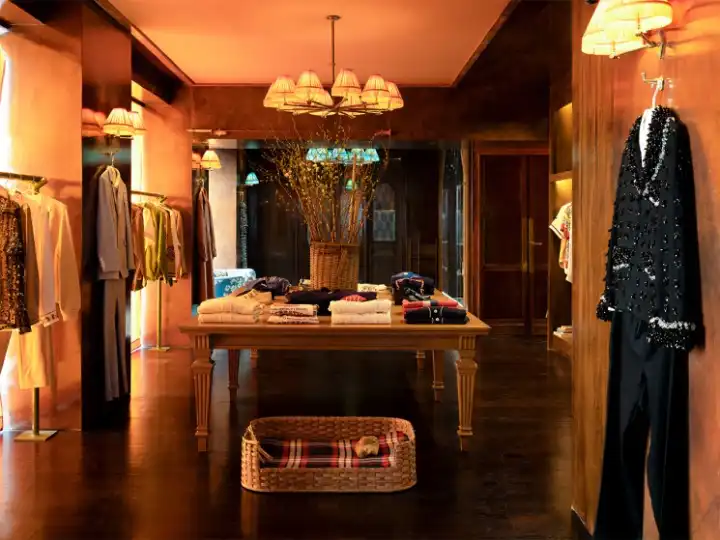
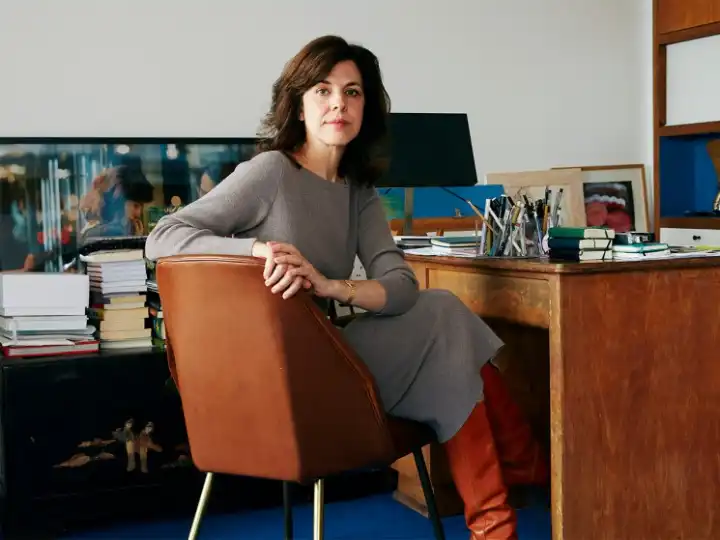
In need of a distinct look for your staff? These designers have you covered

In need of a distinct look for your staff? These designers have you covered

In 2013, Letizia Caramia and Morten Thuesen are the co-founders of Older Studio, an Italian and Danish company specialising in uniforms for institutions such as Cassina and Tate Modern, as well as hotels including Chateau Marmont and The Hoxton. The couple have since carved out a sartorial niche, sourcing materials from Italy and keeping manufacturing in Europe. The studio also makes furniture.When Monocle meets Caramia and Thuesen at their Milan headquarters, both are wearing beige-and-black outfits incorporating prototypes made for the pool staff of Hotel Belvedere Bellagio in Como. “These shorts are my daily uniform at the moment,” says Caramia, who is pregnant, adding that Prada mules are her go-to choice for comfy shoes. She pairs these with an Aino gilet made from upcycled fabrics. Thuesen, meanwhile, wears pieces from Older Studio’s recent collaboration with Japan’s Facetasm. “At the moment, my head is in the Tokyo streetwear space,” he says. “I like to layer and play with big proportions.” Nike trainers lift the silhouette while keeping him comfortable.Caramia and ThuesenWhen it comes to their daily uniforms, Caramia and Thuesen prioritise utility but they choose jewellery for its sentimental value. Both wear rings that they designed themselves to symbolise different members of their family, made from Danish gold that has been melted down and crafted into shape in Tuscany. Caramia wears a bespoke necklace by Italy’s Panconesi, a gift from when she gave birth to their son. Rings with sentimental valuePendant necklace from PanconesiThe city of Milan, where the art ofla bella figurais taken to an extreme, also inspires the couple’s style. “I love how people here make an effort,” says Thuesen. “There is a level of dedication to a complete look that I admire. It’s often executed down to the socks.”olderstudio.com
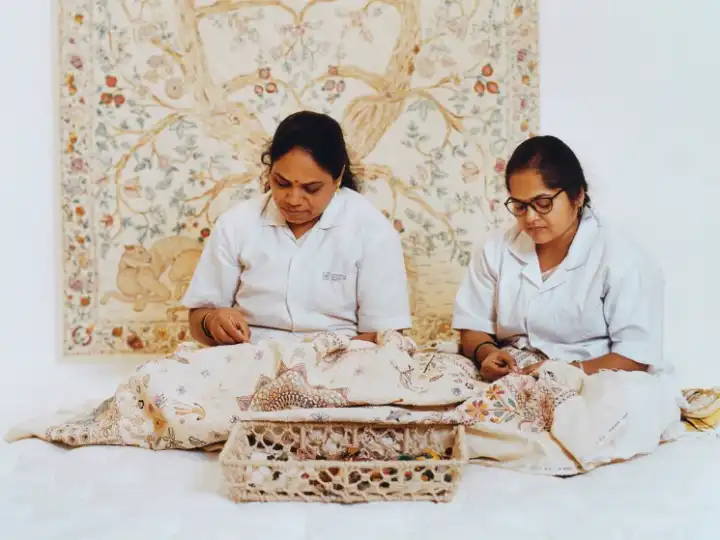
Five business leaders share their sartorial secrets for keeping a cool head in extreme heat

Five business leaders share their sartorial secrets for keeping a cool head in extreme heat

With summer in full swing in Asia, we asked five business leaders from across the region to open their closets and walk us through the choices that carry them from morning meetings to evening engagements. Here they share their go-to brands, daily uniforms and outfits that they reach for when the stakes – and temperatures – are high. From Tokyo and Hong Kong to Bangkok, Manila and Jakarta, dressing the part is about more than just appearances: the right fit, pleat or hem can convey subtle messages about the wearer’s style, spirit and respect for the occasion.(Illustration: Studio Pong)1.Carlos Granon, founder of accessory brand TopologieHome city: Bangkok, ThailandDescribe your everyday outfit.My vibe is “Tokyo utility meets mountain grit”. I usually wear Graphpaper’s oversized shirts, FreshService’s modular cargo pants and a Universal Works baker jacket for that high-altitude retro edge. I always reach for Unfeigned’s breathable travel jacket, white Norda trainers and I, of course, accessorise with a Topologie climbing-rope strap.Best shops?In Japan, I hunt for gems in Harajuku’s boutiques and Kyoto’s Sanjo concept shops – my secret weapon for rare finds. Graphpaper’s flagship locations can never be missed, wherever they are. In London, I go to Universal Works’ Soho shop and End Clothing. I also explore Brick Lane near Spitalfields Market for secondhand wares.Your favourite brands and new ones to watch?I like And Wander’s techy-trail vibe and FreshService’s utilitarian edge. Universal Works and Unfeigned keep their looks timeless. Service Works has perfected relaxed trousers and New Amsterdam’s oversized T-shirts are my latest go-to.And when things heat up?Ditch heavy shoes for Keen cord trainers. Topologie’s cross-body bags keep your gear sweat-free, while New Amsterdam’s sleek caps offer sun protection with a side of style.2. Paloma Urquijo Zobel de Ayala, creative director of property developer Ayala Land HospitalityHome city: Metro Manila, PhilippinesDo you have a daily uniform?My everyday look is a mix of structured and expressive pieces that reflect my personality. Tailored suit trousers paired with a patterned or architectural blouse, often from Filipino designers such as Carl Jan Cruz. Wearing homegrown pieces always sparks conversation in meetings with business partners; it’s a subtle way to champion local creativity and get a fun discussion going. My go-to item is a sturdy tote that’s big enough to carry my whole life.Where do you shop?I believe in investing in fewer, better pieces that can be worn in multiple ways. I usually shop when I travel. It’s how I discover new designers and tailors, and build a wardrobe with stories behind it.Some brands that you like?Carl Jan Cruz, Nili Lotan and Loulou de Saison. I wear Etro suits for all of my important meetings and events. When I need to get my hands dirty during site inspections, I opt for Wrangler or Ariat boots.Check-in or carry-on only?Always a carry-on. I pack a navy-blue suit that works across occasions, which I can dress up with a fun blouse or dress down with a T-shirt and a cap (this is particularly useful when I haven’t done my hair on the return journey).3.Betty Ng, founder of architecture-and-design firm Collective Home city: Hong Kong, ChinaDescribe your everyday workwear.I appreciate clothes that emphasise form, structure and material. I’m a fan of accessories – mainly earrings – and in the winter, a scarf. I love the label Sunnei and jewellery from Monies. My friend David Andersson makes the most beautiful chunky bracelets and Lama Hourani’s collection inspired by sculptor Eduardo Chillida is stunning. I tend to go for statement earrings – they add a fun accent to a wardrobe full of black and solid colours.Where do you shop?I’m 174cm tall and in Hong Kong it can be hard to find clothing and shoes that fit me well. I shop when I travel, particularly in Europe and, surprisingly, in Japan.What brands do you like? Any recent discoveries?I’ve started buying from Sacai and Prada’s nylon series. I enjoy their play on materiality and form, and I like pieces with a clear silhouette. I’ve been wearing Comme des Garçons for years and still love it. The brand also introduced me to Noir Kei Ninomiya. Uniqlo is a go-to for simple items. Dries Van Noten has also always been a hero of mine; I tend to look for special pieces that highlight his incredible textiles.Any tips for staying (and looking) cool during a hot and wet summer?I am a big fan of skirts and dresses – they’re a lifesaver during Hong Kong’s hot, humid summers.4.Hiroyuki Isobe, managing director of interior-design firm Wonderwall Home city: Tokyo, Japan Describe your daily workwear.A navy, grey, black, beige or olive colour palette, with either black or white leather shoes and striped socks. In formal settings, I’ll wear a three-piece suit, either in grey or navy, with a black tie. On more casual days, a work jacket with chinos or denim. I don’t wear accessories during business hours besides a watch and my wedding ring. What brands do you like? Engineered garments, DC White, Markaware, Uniqlo, Church’s, JM Weston, Chausser. Unionwear by Traditional Weatherwear is a new addition – I like the wide chinos.  Where do you like to shop? I usually buy directly from the brand’s shop, with the exception being Freeport – a boutique in Ueno, Tokyo. It sells a full range of pieces by DC White and the owner is very enthusiastic about the labels that his shop carries.Who makes the best white T-shirt? It’s between Uniqlo’s cotton Airism and 45RPM’s shirts.5.Arini Saraswati Subianto, president director of holding company Persada Capital InvestamaHome city: Jakarta, IndonesiaDescribe your overall look.Clean, monochromatic and mostly solid textiles. Non-fussy and non-restrictive. My go-to colours are white (I collect white tops), off-white, cream, navy, black and camel. I’m more of a trouser person but lately I’ve acquired quite a skirt collection, which includes some custom-made, pleated, midi-length batik pieces. I am petite so I avoid dresses – most need alterations due to my height. Favourite brands?United Arrows and Tomorrowland for jackets and trousers; Vince for tops; James Perse for T-shirts; and Loro Piana for sweaters. Theory covers a lot too. For dressier pieces I go for Dior and Michael Kors for A-line dresses. I also discovered a few Carolina Herrera pieces that fit me perfectly without alterations. Any jewellery or other accessories? I wear layered necklaces on a daily basis and I’m not afraid to mix silver and gold. I’ve recently been playing around with different gold-plated earrings that I’ve picked up from brands including J Crew, United Arrows and Alexis Bittar. There are times when I might add a vintage brooch but I usually just grab whatever is on the tray in my bathroom. How do you dress for the heat?It’s summer all year round in Jakarta but our offices are air-conditioned, so I usually layer my clothes and combine a sleeveless top with a structured jacket. I prefer cotton or silk button-down shirts when it gets particularly hot, styled with wide trousers and flats. For me, T-shirts are for life outside of work and I don’t wear open-toe shoes to work either. 

Editor’s letter: Andrew Tuck on dressing for the times

Editor’s letter: Andrew Tuck on dressing for the times

The way we choose to dress reveals something of ourselves and also our priorities, while holding a mirror to the times that we live in, reflects our editor in chief, Andrew Tuck. As well as surveying the designers, brands and items that you should know this season, our fashion issue looks at how clothing can stitch us together as a people – whether we’re in Paris, Milan or the shattered cities of Syria.This is our fashion issue – which means that Natalie Theodosi has had a busy month. In between attending the season’s runway shows, our fashion director has been tracking down new talent, designers on the cusp and creators of products that will turn heads (and stand the test of time) for our Top 25. From a pair of polished Korbinian Ludwig Hess men’s shoes to Saint Laurent’s reinvention of the double-breasted suit, she has you covered.A good fashion director requires an eye for aesthetics and an ability to articulate how this dynamic, complex industry works. The role also involves understanding that fashion doesn’t stand apart from the world but stitches it together. How we dress reveals who we are and what we think matters, and reflects the times that we find ourselves living in. You’ll find evidence for this beyond the fashion section this month.In our business pages, Ed Stocker, our man in Milan, meets Morten Thuesen and Letizia Caramia, the founders of uniform company Older. The company started as a ready-to-wear fashion brand in Paris but the couple grew disillusioned with the scene. They changed tack when they spotted the need for good uniforms in kitchens, bars and shops run by people trying to add quality to every experience, to do things better than before. As Stocker reports, “You will see these uniforms in establishments all across Milan, from the bespoke all-black look of retailer 10 Corso Como to the beige aprons used at ceramics producer Officine Saffi Lab and the long-sleeved navy Rudo jackets, complete with woven logo labels, worn by staff at gourmet food shop Terroir.” Older’s looks have taken off with a younger generation of entrepreneurs who know that a uniform can help to make people feel part of a team and broadcast to customers the message, “I am here to help.” It’s such a great antidote to those establishments where you can hardly tell the staff from the customers and are at constant risk of mistakenly asking a fellow diner whether they could perhaps get you another bottle of the nice red. It’s all about showing that you care – and it’s why you will find our café teams looking the part too.Over the years we have returned again and again to the topic of Syria, a country and a people with so much potential. For this issue’s Expo, we sent our Istanbul correspondent, Hannah Lucinda Smith, and photographer Emin Özmen to Damascus to see how the nation is faring following the fall of Bashar al-Assad. As we went to press, there were reports of violence between the new government’s security forces and Alawite Assad loyalists, as well as civilian deaths – but money, especially from Turkey, is now coming into the country to help rebuild its shattered cities and the people we meet have hope. So far, the transitional president, Ahmed al-Sharaa, has managed to hold the disparate groups in his coalition together. Perhaps that all-black military uniform that we see in this Expo has also helped to present a unified front.Thank you for reading Monocle. If you want to send me an idea or share a story, please email me at at@monocle.comWant more stories like these in your inbox?Sign up to Monocle’s email newsletters to stay on top of news and opinion, plus the latest from the magazine, radio, film and shop.Your EmailSubscribe

Printemps has arrived in New York – and CEO Jean-Marc Bellaiche is betting big on experience-led shopping

Printemps has arrived in New York – and CEO Jean-Marc Bellaiche is betting big on experience-led shopping

The future of the US department store is far from clear. Household names Saks Fifth Avenue and Neiman Marcus have consolidated, triggering nationwide closures and layoffs. Still, historic French retailer Printemps – best known for its imposing location on the Boulevard Haussmann – believes that there is still potential in the US market and made a bold bet this spring, opening its first New York pied-à-terre in One Wall Street, a soaring art deco skyscraper in downtown Manhattan. The new spot is only a fraction of the size of its Parisian flagship, yet the ambition is equally large: to turn the two-storey shop into New York’s best address for shopping, socialising and dining. Even as Donald Trump’s tariffs begin to affect the prices of luxury goods and threaten to slow down consumption, CEO Jean-Marc Bellaiche says that the company remains “deeply committed to the US market”. “We are building meaningful relationships with American clients with the goal of becoming a key player in the country’s retail landscape,” he adds.  To achieve this, Bellaiche has enlisted the expertise of designer Laura Gonzalez to transform the shop’s two floors. She created a whimsical and decadent space complete with mirrored walls, playful glass light fixtures, hand-painted frescoes and plush changing rooms, all of which has created an atmosphere that encourages escapism and indulgence. There’s even a champagne bar and a boudoir, where vintage haute-couture pieces by Jean Paul Gaultier are on display. The F&B department is helmed by French-speaking, Haitian-American chef Gregory Gourdet, who made sure that the shop offers an array of options, from fine dining at Maison Passerelle to a casual café serving Frenchviennoiserie. Shoppers can expect items from LVMH powerhouses Dior and Louis Vuitton, as well as from more niche brands such as trunkmaker Pinel Pinel and Saison 1865, the retailer’s in-house line. There are cult French pharmacy brands too, which are nearly impossible to snap up this side of the pond and certainly a big part of the reason why customer queues have been snaking around Wall Street since the shop’s opening. “We want people to spend a full day here,” says Bellaiche. He takes Monocle on a tour of the new space. Why have you chosen to expand beyond your home market? Why the US and why now?The US market is still under-penetrated when it comes to luxury goods. Compared to its GDP and to the number of millionaires, it’s not the number-one country in terms of luxury purchases. We know that the New York market is tough and that the city doesn’t need a new department store. But we also know that Barneys and Jeffrey have left a void in the market – a lot of my friends still reminisce about them. We intend to do something different with our concept, where French curation meets American hospitality. We’re bringing together shopping, food culture and experience – a bit like Barneys did.  Barneys might have been beloved by New Yorkers but it also closed its doors. Isn’t there a concern that if US retailers are facing these challenges, you might too?Printemps is a smaller concept, so the risk is also smaller. Still, we must provide an outstanding experience to draw visitors. That’s why we invested so much in the architecture and the ambience, with many new fashion brands and restaurants by chef Gourdet. Sometimes it’s all about timing – and we feel that the time is right. We are convinced that retail has beautiful days ahead because we’re all social animals: we like to shop with friends, chat with salespeople and feel the quality of products in person. How do you plan to make sure that people will keep coming through the door? I’m convinced that the future of retail is in experience, which we do well in Europe. The food offering is strong and there is always something going on in our shops. Our visitors want to learn something and leave feeling richer – maybe not in their wallets but in what they have discovered. Storytelling is so important. What are the differences between your American and French clients?One difference that I’ve noticed is that the French are more independent with their tastes, while trends tend to pick up faster in the US. By bringing new brands here, we hope that they will gain traction quickly and buyers will know that they can only find [these labels] at Printemps. As for pricing, there is a difference in the sense that Americans like a good deal – that’s why there are so many outlets here. In this country, it’s important to be fair with your pricing. Why does the US have one of the most robust markets when it comes to luxury consumption?In the US there is more money than luxury buyers and this is coupled with a sense of optimism. The European and Chinese markets are tougher – especially in the latter, where consumer confidence has decreased. Meanwhile, Americans have maintained a positive outlook for the future, despite facing potential economic headwinds such as inflation and supply-chain issues. This attitude influences their purchasing behavior; when consumers are hopeful, they are more inclined to spend rather than save. This mindset contributes to the sustained strength of the US market, reinforcing why it remains a promising space for long-term growth.How is the brand-retailer relationship evolving?In Paris we have very strong partnerships with various brands as it’s clear what we bring to the table. The labels themselves are very important because they provide the products and the brand value. But the multi-brand concept of a department store brings something different. We can identify VICs (very important customers) and provide a much easier one-stop shopping experience. We should continue to work in synergy with labels because although they may not be able to identify high-value clients, we know who the big spenders are.What is your ultimate ambition for the department store?We want this location to be highly praised. Client satisfaction will bring more brands and the more brands that want to work with us, the more we can curate what we think is the best of the best. We also want to understand the frequency of purchase and how much time a client spends with us. Once I’ve collected data on the client, I can then customise my approach. We need to deliver a business plan and there is an objective to make it work. 

Can a clothing company survive without new products? Asket is betting on a yes

Can a clothing company survive without new products? Asket is betting on a yes

This autumn, independent Swedish menswear label Asket will release its 50th and final product for men: a pair of Italian merino-wool trousers. The move is part of the brand’s ambition to refine its collection into a permanent catalogue. Instead of chasing novelty for the sake of catching customer interest, it aims to perfect the manufacturing of each piece. In other words, Asket is eschewing a business model followed by pretty much every other fashion brand.“There’s talk about improvements needed to address sustainability in the fashion industry,” August Bard Bringéus, co-founder of Asket, tells Monocle. “But it all comes down to overconsumption and overproduction.” His business partner and fellow co-founder, Jakob Dworsky, agrees. “The industry hasn’t figured out how to make a business work by selling fewer but better products,” he adds. “There is short-term thinking in that sense. We put the product first because it’s what our customers come back for.”Jakob Dworsky and August Bard BringéusSince the brand’s founding in 2015, Asket has built a reputation for its European manufacturing, natural fibres and fair price point. The company’s 2024 turnover was SEK156m (€14.1m) and this year’s projected growth is conservatively pegged at 10 per cent. With a flagship in Stockholm and a new outpost in London, the brand is expanding its retail footprint, if not its inventory. Still, minimalism remains the order of the day, and the aesthetic – plain white T-shirts, straight-leg jeans and neutral knitwear – most definitely reflects the philosophy. “It’s easy to get distracted but we’ve stayed disciplined when it comes to sticking to what we said we’d do,” says Bringéus. “That’s part of the reason why we’re still around.”asket.comWant more stories like these in your inbox?Sign up to Monocle’s email newsletters to stay on top of news and opinion, plus the latest from the magazine, radio, film and shop.Your EmailSubscribe

Best boutiques in the world: Neighbour, Vancouver

Best boutiques in the world: Neighbour, Vancouver

Saager Dilawri, founder of multibrand boutique Neighbour, first set foot in the Gastown district of Vancouver in 2011. He sought to create a sartorial hub for men who were interested in craftsmanship and design – only without the pretention. “Going into shops in New York, they felt a little too cool for school,” he tells Monocle. “I wanted an approachable shop, where someone could come in and talk to me about clothes and I could learn from them, too.” At the time, there were only a handful of menswear boutiques in the area, focusing on streetwear, premium luxury or Americana. “I’ve always been more into Scandinavian design and minimalism, and I could offer [customers] a different option,” he adds. He has since introduced numerous brands that had never previously been on Canadian shores, including Swedish stalwart Our Legacy. His obsession with high-quality fabrics also led him to Japan, where he forged partnerships with labels such as Auralee and Comoli. “Everything fits so well with Comoli. It’s all black and navy but still super interesting,” he says. “It always comes down to the fabric in the end.” Dilawri also highly rates brands closer to home, such as San Francisco-based label Evan Kinori. “I’m lways in awe of everything Evan does – whether it’s his dyeing process, learning about the weavers or where he’s sourcing the materials,” he adds. For a business that operates very much locally (Dilawri and his wife, Karyna Schultz, have gone on to open three more shops within a 100-metre radius of each other), it has a decidedly global perspective – a reflection of the diverse makeup of Vancouver and Dilawri’s own scope of influence. His e-commerce shop, often featuring atmospheric imagery from Tokyo’syokochoalleys, has become a point of reference for menswear veterans around the world. “I’ve always been interested in photography and, when we started, most brands didn’t have an online shop,” he says. “That gave us an opportunity.”There’s a renewed appreciation for the neighbourhood shop, for intimate retail experiences and brands that prioritise craft over scale. As far as Dilawri is concerned, this marriage of storytelling and artisanal goods is what keeps customers returning to Neighbour, and what drives the future of the broader menswear industry. “People want something just a little bit different but not out there,” he says. “They want to know why they are investing $500 (€437) in a shirt. They want to know the story behind the brand and the makers. That’s not going away.” shopneighbour.comWant more stories like these in your inbox?Sign up to Monocle’s email newsletters to stay on top of news and opinion, plus the latest from the magazine, radio, film and shop.Your EmailSubscribe

Japanese label Kaptain Sunshine settles down in Tokyo

Japanese label Kaptain Sunshine settles down in Tokyo

It has been a short two weeks after a lively opening party and business is brisk at Kaptain Sunshine’s new Tokyo flagship. Designer Shinsuke Kojima is on the shop floor as a trio of young South Korean tourists, a dapper Japanese gent and a pair of well-dressed Tokyo friends are all browsing and buying. Clearly the word is out that the brand has opened its first standalone shop. “We’re happy with how it’s going,” says Kojima, surveying the throng. “A third of the customers are coming from overseas.”Kaptain Sunshine designer Shinsuke KojimaGerman military repro trainersTo those in the know, Kaptain Sunshine is simply one of the best brands to have come out of Japan, having mastered the kind of smart-casual wardrobe that Tokyoites are always celebrated for. The label’s success is down to Kobe-born Kojima, who started the brand in 2013, to indulge his passion for vintage uniforms and relentless eye for detail. He manufactures everything in Japan and favours original fabrics made to his specifications. His most recent spring/summer collection, currently in store, includes garments such as field shirt-jackets in deliciously light cotton-polyester mixes, garment-dyed work jackets in hemp and cotton, and military trainers in white leather.The flagship was designed with architect Koichi FutatsumataEvery piece is connected to a different maker in Japan. Denim comes from Okayama and Hiroshima; leather purses and belts are made in Tokyo and Kamakura; and hand-finished silk squares are made with fabric from Yamanashi. The detail in the denim is something else: a 13.5oz selvedge, dyed with pure indigo and woven on an old-fashioned loom to give the uneven texture that Kojima likes. “We give the factories highly detailed sewing instructions to ensure a one-of-a-kind line-up that we take pride in,” he says.Spring/summer 2025 in the shopThere are stories woven into every piece – and fashion fans lap them up. But Kaptain Sunshine also happens to be the easiest brand to wear. “We’re using high-quality materials and precision sewing but this is everyday wear that can be washed without worry and dried in the sun,” says Kojima. “We’re thinking about comfort, even when travelling.” Some basic garments, such as the Okayama-made blue denim trousers and T-shirts, inspired by American vintage, appear every season. There are collaborations too, from nylon bucket hats co-designed with the brand Kijima Takayuki to suede shoes crafted with Paraboot.Kojima is equally passionate about vintage furniture, which becomes immediately evident in the shop’s interiors, designed alongside Fukuoka architect Koichi Futatsumata. The store is on a quiet street just off Kotto Dori in Aoyama and is filled with Kojima’s finds: French rope chairs from the 1950s, a 17th-century English chest, an Okinawan pot that’s several hundred years old. There’s a rare wall-mounted Dieter Rams for Braun hi-fi from the 1960s playing, when Monocle visits, some mellow jazz. Like the brand’s signature garments, the retail space’s overall look is relaxed rather than laboured.Women are wearing the brand tooVintage chairs from FranceThis laid-back approach appeals to the label’s core male clientele – and, increasingly, to a new crop of in-the-know female clients too. “We make clothes in four sizes so that anyone can wear them,” says Kojima. “We just want everyone with a sense of style to see our collection.” With the new Tokyo flagship and a twice-yearly trunk show in Paris, his message is certainly getting through.kaptainsunshine.com
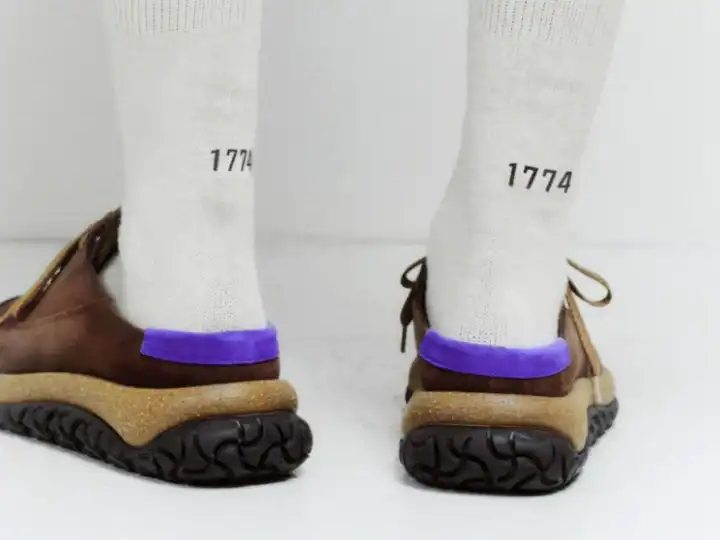
How to get dressed: Atsushi Hasegawa, the head of creative at The Newt in Somerset

How to get dressed: Atsushi Hasegawa, the head of creative at The Newt in Somerset

Atsushi Hasegawa, the head of creative at luxury hotel The Newt in Somerset, can be spotted wandering around its verdant grounds in a straw boater, longline linen shirt or even a kimono-inspired work jacket that he designed for UK gardening brand Niwaki. Hasegawa was born in Japan and became fascinated with fashion in the late 1980s, when he worked at Vivienne Westwood’s Tokyo shop. A passion for fly fishing brought him to Paris, where he worked at Maison de la Mouche, a shop that caters to the outdoors hobby. After about 10 years in the city, where he also worked in textile design, Hasegawa crossed the Channel to become the head of creative concept at footwear brand Clarks. Today he oversees The Newt’s visual identity, marketing activities and cultural partnerships. He tells Monocle about his spontaneous approach to getting dressed and his many sartorial obsessions.How has your style evolved?In the 1980s I went to university in Tokyo, the same one that Kenzo Takada [the founder of Kenzo] and Yohji Yamamoto went to. I would read magazines such asThe Faceandi-D, and I was into hip-hop. These things weren’t mainstream in Japan at the time. Since then I have been addicted to fashion. In Tokyo at the time, there were codes. If you were a skater, you’d wear Stüssy. If you were into reggae, you wore Kangol hats. You were either a Yohji man or a Comme des Garçons lady. Nowadays fusion is completely normal but it wasn’t allowed back then. So when I moved to Paris I loved the freedom. Parisians wear anything naturally. Now I dress according to how I feel. Sometimes I’m more expressive; at others I’m more humble in how I present myself. My colleagues would probably describe me as a peacock.Do you mean that your style reflects your state of mind?When life gets stressful, I become almost punk and more expressive. When I’m more relaxed, it’s reflected in my laidback clothing. Clothes protect you so I’m serious about what I wear. As I get older, I know that what matters is what suits your body, your height, your posture. I’m quite obsessed with understanding what kind of hats suit me or how a T-shirt is made. I collect clothes and never throw anything away. I still have clothes that I bought when I was 18 because I don’t want to be a part of throwaway culture.How would you describe your everyday style?I’m a chameleon. I like the unexpected. Yesterday I wore an all-pink jumpsuit to the beach and my daughters said that it was cool. In some ways, hospitality is like show business, so as head of creative I want people to see my outfits and think, “Oh, wow.” When I left Japan, I slowly understood that there is unique craftsmanship there and I’ve since become obsessed with it. I might mix a kimono with European clothes. I look to 1920s and 1930s society fashion for inspiration: white trousers, a chain, a funny way of doing a tie. I’m now enjoying this phase of my life and being myself completely.Do you pre-plan your outfits?No, I wake up and start from there. I’m a DJ and only mix with seven-inch vinyls with the aim of seamlessly connecting everything without planning. I like to do the same with getting dressed, almost in a half-stressed state and with only 20 minutes to get ready. I start with one item and then co-ordinate from there. Fashion is where I find joy.
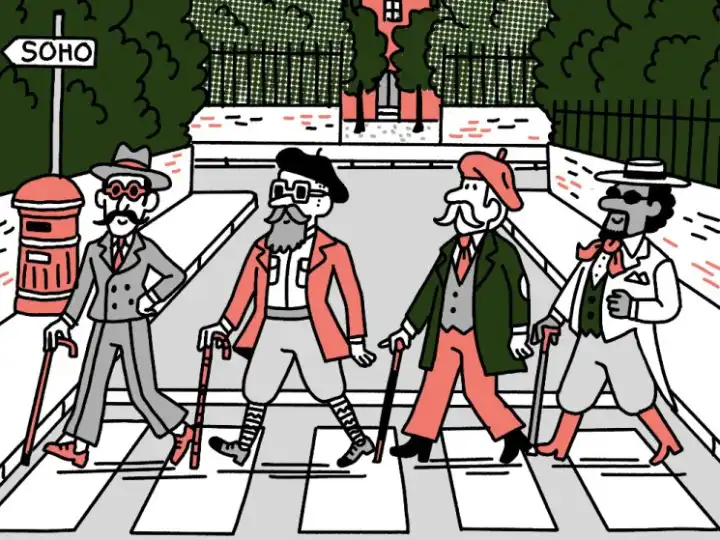
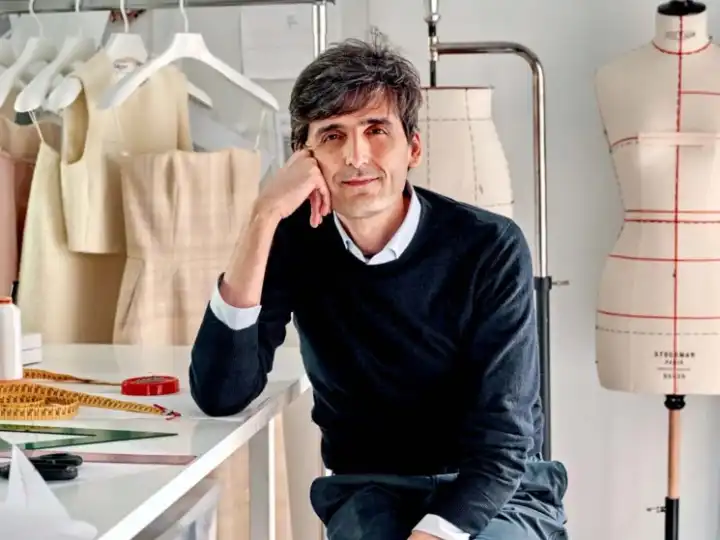
How Vibram’s shoes are treading from hiking trails onto runways

How Vibram’s shoes are treading from hiking trails onto runways

Italian manufacturer Vibram produces more than 40 million shoe soles per year but now it’s trying its hand at design and broadening its appeal. Its client list ranges from sports giants to outdoor footwear makers and includes Nike, Canada’s Arc’teryx and Japanese sandal specialist Suicoke. Vibram’s bright, octagonal logo has become a signifier of quality for hikers, alpinists and trail runners, who seek that flash of yellow on their soles to ensure that their footwear will live up to performance standards. The company also makes its own shoes.As Vibram approaches its 90th anniversary, it is working hard to stay up to date by investing in a series of design and innovation hubs in Milan, Boston and Los Angeles. At these “Connection Labs”, the company wants its creative output to match its technical standards. Several unexpected collaborations have been spawned, ranging from those with high-fashion houses Bally and Balenciaga to a link-up with trainers specialist Hoka.The result? Vibram-soled shoes, including those in the brand’s five-toed neoprene style, are stepping into the fashion industry and appearing in streetwear looks as much as on slopes and hiking trails. The brand’s popularity has skyrocketed – there was a 110 per cent increase in online searches during the second quarter of 2025 (according to data platform Lyst), and its US business has doubled over the past four years. Vibram’s new credentials resulted in a first pop-up space at Paris Fashion Week in January, presenting specialist soles, as well as new footwear styles.As the fashion industry moves on from a fixation with the logos of huge brands, a bigger role will be played by utility and performance wear in setting the agenda this autumn. We will be seeing more Vibram shoes on the runway.Want more stories like these in your inbox?Sign up to Monocle’s email newsletters to stay on top of news and opinion, plus the latest from the magazine, radio, film and shop.Your EmailSubscribe

Where to repair clothes in Paris: The city’s five finest tailors and master cobblers

Where to repair clothes in Paris: The city’s five finest tailors and master cobblers

As the fashion capital of the world, Paris has always had a healthy supply of skilled tailors and cobblers. Preserving these businesses is a citywide effort: local authorities offer them lower rents and last autumn the government also introduced new legislation to incentivise Parisians to visit their local workshops more frequently. Since 2023, people have been able to claim back up to €25 of the cost of mending clothes and shoes in workshops that have joined a repair bonus scheme run by eco-organisation Refashion.All this is a reflection of the city’s commitment to preserving its craft traditions and many Parisians’ desire to keep the fast-fashion cycle that has plagued the industry at arm’s length. Here, Monocle meets some of Paris’s experts, both new and well-established, who can bring your clothes back to life.1.Veja General StoreAfter successfully launching repair services in Bordeaux, Berlin, Madrid, New York and London, trainer brand Veja recently added an outpost in Paris, the city where it was founded by Sebastien Kopp and François Ghislain Morillon. In line with its commitment to minimising fashion-industry waste, the label is now offering its customers the possibility to come into its new Rue de Marseille shop and have any trainers repaired (no matter the brand) instead of buying new ones.Billed as a trainer repair “temple”, Veja General Store is home to cobblers who are trained in the specific techniques required to mend trainers, as well as a tailor who can give a new lease of life to clothing. There’s also a selection of high-quality products to encourage customers to keep their favourite shoes in mint condition, from laces, brushes and shoe creams to polishes. This one-stop shop ensures a smooth retail experience.II Rue de Marseille, 75010 Paris2.Superstich MFGAfter developing an interest in denim as a teenager, Arthur Leclercq set out in search of rare sewing machines, which he salvaged from defunct factories across the city that operated between the r92os and r97os, a period considered to be a golden age for denim.One of the biggest highlights during his treasure hunt was getting his hands on a Singer 47w70, a vintage machine for repairing and reweaving denim, which can make any restitching almost invisible.“Every single machine you see here has been taken apart and put back together again,” says Leclercq, as he shows Monocle around Superstitch, his Left Bank shop on the Rue Racine.Superstitch started five years ago by offering to mend even the rarest vintage denim. Leclercq’s expertise has since led him to start creating his own designs, mostly oversized jackets and trousers inspired by I97os Levi’s designs and made with high-quality Japanese fabrics.He also stocks a special washing powder and denim detergent, ensuring that you can extend the lifecycle of your jeans.IJ Rue Racine, 750063.L’Atelier d’AntoineThe profession of cordonnier (cobbler) is still alive and well in Paris, and L’Atelier d’Antoine is a case in point.Nantes-born Antoine Rondeau’s passion for footwear has made him one of the most sought-after cobblers here. The loyal customers stepping through the door of his bright-yellow shopfront have included many famous Parisians committed to extending the lifespans of their footwear, former president Nicolas Sarkozy included.After training under a master bootmaker and then honing his craft in Spain and the UK – where he discovered that, unlike shoes, languages were not his forte – Rondeau returned to Paris and worked for renowned footwear labels John Lobb and Berluti.In 1996 he opened his own shop on Rue de Miromesnil and built a reputation as one of the city’s most skilled cobblers, particularly when it comes to reassembly. Rondeau can take shoes apart and restore them piece by piece.The bigger the challenge, he says, the better. “I’m quite meticulous, I like everything that involves finishing,” he says. “Precision is something I enjoy and people recognise that.”He also offers free postal delivery – a rare and valuable service that is appreciated by his busy clients.75 Rue de Miromesnil, 750084.Le Bon Marché Rive GaucheLe Bon Marche, the storied Left Bank deparnnent store, has dedicated much of its third floor to repair services.Here, a team of tailors work on bringing items back to life, from fixing a button to adjusting a suit or dress to fit perfectly. Simple fixes on items bought at Le Bon Marche are free for holders of the store’s sought-after membership card.Alongside the repair counter, Parisian shoemaker Malfroid, a specialist in shoe patination and care, offers cobbler services within the men’s fashion deparnnent, working on everything from boots and trainers to leather accessories.Meanwhile, L’Atelier Horloger takes care of watch repairs of all kinds, from adjusting a metal bracelet to a full restoration. It’s a bold statement from the LVMH-owned retailer, which chose to make the space a home for the city’s craftspeople and encourage its clients to shop more mindfully.24 Rue de Sevres, 750075.Frais PressingJocelyn Pracca launched his dry cleaning company, Colporteur, in 2ou. Demand for clothing care services had been growing exponentially, yet he noticed that family-run businesses in Paris were closing down as their owners retired.He launched Frais in 2020 to answer Parisians’ demand for repair services. It’s a one-stop shop for clothing care, with laundry services, a dry cleaner, cobbler and alterations services all under the same roof. Customers can bring sheets to be whitened a dress that needs adjusting or shoes in need of a polish.“Our mission is to extend the lifespan of clothes,” says Pracca.After the success of the first Frais outpost, located on the outskirts of Paris, he opened a second shop near the Canal Saint-Martin, which also stocks its own range of laundry products that are made in France using natural ingredients.50 Rue de Lancry 75o1oRead next:Monocle’s full city guide to Paris

A long overdue spotlight on Goossens, the jewellery maker beloved by Coco Chanel

A long overdue spotlight on Goossens, the jewellery maker beloved by Coco Chanel

“Look at the details on this,” says Caroline Gauthier, the creative director of Goossens, holding up a golden hydrangea leaf, its delicate veins just visible in the workshop’s stark light. Moulded from a real plant, the challenge was to capture the leaf’s fine details in brass – the main material used to craft Goossens’ jewellery collections. This is then dipped in 24-carat gold to create a delicate replica.The same technique was used to mould a hazelnut, half a walnut shell and a poppy, all foraged during a forest stroll and brought back to the atelier to be transformed into jewellery. “Goossens is about craftsmanship, of course, but it’s also a question of seeing,” says Gauthier. The 44-year-old designer, who wears the golden hazelnut on a simple red thread around her neck, is only just audible over the drilling, buzzing and hammering that echo through the workshop, which is in Paris’s 19th arrondissement. “Our artisans work with their hands but always with an eye for beauty. That’s what gives a piece of jewellery its soul.”Caroline Gauthier, creative director of GoossensThe making of a Fleur de Pavot cuffGauthier, who has some 20 years’ experience in the world of accessory design, is Goossens’ first creative director since the death of its founder, Robert Goossens, in 2016. The appointment is a sign of the house’s ambition to expand. Goossens has long been the go-to for fashion houses seeking a partner to help them develop jewellery collections – but with Gauthier at the helm, there’s a new opportunity to be more creative, step into the spotlight andbecome equally known for its in-house designs.A graduate of École Duperré Paris, Gauthier started her career at Maison Michel and Chanel before moving on to Marc Jacobs’ studio at Louis Vuitton and spending 10 years as the head of design for fashion accessories at Hermès. It was at Louis Vuitton that she first collaborated with Goossens. “At the time, I was struck by the fact that there were no limits to its creativity,” she says. “Together with Nathalie Abscheidt, Goossens’ atelier manager, we brought so many exciting projects to life.”Founded in the 1950s, the atelier is known for its signature style that blends fine jewellery making with the creative freedom of creating costume pieces. Precious metals are embellished with freshwater pearls, rock crystals, semi-precious stones or glass-paste inserts, mirroring the founder’s obsession with Byzantine and Egyptian antiques. His creative flair caught the eye of Gabrielle Chanel in 1954, who entrusted him with designing the fashion house’s jewellery collections. That first endorsement initiated a long line of fashion collaborations. The house made jewellery for Yves Saint Laurent for more than 30 years, working closely with Loulou de la Falaise, but also for 1990s icons such as John Galliano, Alexander McQueen and Thierry Mugler. More recently, Goossens helped to create the bejewelled plastron spotted on Sarah Burton’s first runway for Givenchy.In a full-circle moment, Chanel bought Goossens in 2005 and the latter became the main jewellery manufacturer for the brand. In the atelier, now inside Le19m – Chanel’s home for the Métiers d’Arts – Abscheidt’s workbench, decorated with dried flowers and colourful crystals, proudly bears Karl Lagerfeld’s signature.Hand-finishing a piece at Goossens’ atelierA leaf charm necklaceWalking into the Goossens workshop, you’re immediately greeted by many rows of beaten-up tools that line the walls and weathered workbenches littered with pearls, crystals and twisted pieces of precious metal. “I feel incredibly lucky to be in such close contact with the atelier,” says Gauthier. “When I arrived, I made sure to spend time with every artisan to understand their technique and see what’s possible. We’re in constant dialogue. Witnessing a piece of jewellery being born in real time is very exciting.”At the beginning of every collection, Gauthier brings her ideas and sketches to the atelier. After visiting the Arte Povera exhibition at the Bourse de Commerce last winter, she became obsessed with the idea of creating jewellery inspired by Giuseppe Penone’s tree sculptures. She headed straight to what the Goossens team calls the “foundry”, a small room where two artisans ladle bubbling pewter into lost-wax casting, an ancient technique used to create jewellery moulds. Many different versions were made until the right shape and texture were obtained, and the result became part of the Balade line, a segment of the autumn/winter 2025 collection: a brooch, a cuff bracelet, a torque and an oversized pendant shaped like a sinewy tree branch.Gauthier’s ambition for Goossens is to help it reach new audiences by bringing back archival designs with a contemporary twist. “I ensure that our collections have something for everyone, from an ear cuff or small animal charm to more show-stopping pieces,” she says. “Going through the archives is like opening a treasure trove. You never know what you’ll find when you open a drawer.” Her personal collection has significantly grown since joining. Her first pick was the house’s signature astrology necklace. Her star sign? “I’m a Leo, just like Coco Chanel,” she says.goossens-paris.com

How three family-run French labels found new relevance in a crowded market

How three family-run French labels found new relevance in a crowded market

In France, the idea ofpatrimoineruns deep: the belief that knowledge and craft can sustain a business as it’s passed down generations. The small or medium-sized businesses associated with this notion are often inextricable from their communities, buoying local livelihoods while pulling in profit. But many heritage businesses have folded after decades of struggling against cheaper overseas competitors. Here, we meet three historic or family-run French brands that turned things around in choppy waters, leaning into their values to find new success.1.HeschungShoes“This is the house where my grandfather lived,” says Pierre Heschung, the CEO of the Alsatian shoemaker that bears his family name, as he walks with Monocle past a building in his company’s compound. “My mother still lives here today.” Pierre’s daughter Salomé, who heads the company’s marketing and communications, introduces us to her grandmother, Suzanne, who is taking in the sun in a deckchair between the house and the factory entrance.Pierre’s grandfather Eugène started Heschung – which now employs 35 workers nationwide, including 20 artisans at its headquarters – in 1934. After years spent working in a shoe factory, Eugène struck out on his own and began making the water-resistant boots that his brand has become famous for, using a special technique known as Norwegian welting. This involves sewing the shoe together using threads soaked in a special pitch; once the sole is stitched to the upper, the pitch hardens and seals the needle holes for extra water protection. The technique remains Heschung’s speciality.Salomé and Pierre HeschungHeschung’s signature Norwegian welting on its gingko bootThe brand shot to national prominence in the 1970s after manufacturing the French Olympic team’s ski boots. In the 1990s it transformed into a fashion brand selling dress shoes and ginkgo calfskin footwear. In recent years, however, it has faced significant challenges. Sales were hit hard by thegilets jaunesprotest movement, which forced shop closures as thousands took to the streets in Paris. The coronavirus pandemic followed soon afterwards and Pierre had to seek outside investors to rescue his now-endangered family firm.The idea of merging the company with another shoe brand was briefly floated, with an eye towards exporting to China and the US. Some investors pressured Pierre to move production away from Alsace to cut costs but he fought back. The company eventually found a more like-minded partner in Philippe Catteau, the owner of the One Nation shopping mall in Paris’s affluent western suburbs, which pays special attention to showcasing premium French brands.Labels at Heschung’s Alsatian HQThe factory store in Steinbourg“I couldn’t let nearly 100 years of crafts- manship disappear,” says Catteau. He acquired 75 per cent of Heschung and invested €2m in machinery. A further €2m went towards estab- lishing new shops in Paris, the latest of which can be found on Rue des Saints Pères, a stone’s throw from Le Bon Marché. “Lowering the quality for short-term profits would have doomed the business,” says Catteau.Heschung shoe trees and polishWith Pierre nearing retirement, Salomé is preparing to succeed him as CEO. This allows the family’s partners to better plan for the future. “We’re thinking 20 or 30 years ahead,” says Catteau. “Naturally, it’s all about quality and being present in the market.” A young workforce and new cutting-edge equipment means that Heschung’s manufacturing operation is ready. “I hope to one day open the doors of our factory to our clients,” says Salomé. “I want them to be able to see for themselves how passionate we are about preserving our know-how.”Heschung’s recipe for longevity:1.Finding like-minded investors who saw the value of keeping manufacturing local.2.Not rushing to export and returning the focus to the domestic market, while waiting for the right moment for global expansion.3.Investing in old-school craftsmanship while upgrading tools will pay off, combining proven techniques with new technology.2.DuralexTablewareDuralex’s general manager, François Marciano, is showing off one of the French tableware maker’s classic Picardie glasses. As he turns it in his hand, he fumbles, causing the dark-blue glass to fall and Monocle to scramble to stop it from smashing. When it happens a second and third time – the glass bounces harmlessly against the showroom floor on each occasion – it becomes clear that this is a party trick to demonstrate how durable Duralex is. “We’re the only glass-maker doing tempered glass like this,” says Marciano, explaining that the brand’s glass is several times more solid than the conventional stuff.With its enduring design and almost unbreakable product, Duralex – a global household name – is a staple of school canteens and domestic kitchens. Established in 1945 near Orléans, its factory HQ is the sort of place that politicians visit during their campaigns to herald a titan of French industry. But the company’s recent history makes for less auspicious reading. It was sold by its then-owner in 2021 to the International Cookware group, the parent company of Pyrex; at times, the leadership seemed more interested in shareholders than safeguarding Duralex’s future. It has experienced six insolvencies since 1996.An old Duralex fire truck near the HQ entranceNearing the end of the production line in Chapelle-Saint-MesminWhen the company was placed into receivership last year, Duralex’s employees decided that enough was enough – it was time to return the brand to its former glory. They put forward a plan for co-operative ownership, known in French as asociété coopérative et participative(Scop). Their proposal was accepted in court. Of the brand’s 236 employees, 64 per cent opted into becoming owners, which required a minimum investment of €500.Drafted in at the time of the co-operative takeover, Vincent Vallin has spent a career at multinationals, including a stint in the UK. The cool-headed director of strategy and development is realistic about the task at hand. Talking to Monocle in a slightly old-fashioned boardroom with brand photos hanging on the walls, he is keen to point out that Duralex’s new ownership isn’t interested in austerity or cuts. There’s a clear plan in place. “The project is based on generating more cashflow by selling more and better, increasing the top line and the margin,” he says. “We also need to streamline the product assortment.”Because banks won’t lend to Duralex as a result of its financial record, the company has generated funds by selling its HQ to the local municipality and leasing it back. These liquid assets should buy Duralex three years to turn things around, which Vallin believes is time enough. He intends to emphasise the brand’s simplicity and good design, as well as the fact that almost everything that goes into making the glass is French, including sand from Fontainebleau. The team must “extract more value out of the market and make Duralex more premium”, says Vallin. In short, it needs to be seen as more than just a basic tableware staple. It’s also becoming more entrepreneurial. “When I came in, there were only three sales and marketing employees,” says Vallin. “I hired three more for sales in France, five for export and five marketeers.”Coloured Picardie glasses in the showroomThe blue Duralex workers’ jacketOn the factory floor, orange molten glass zips around the production line as automated arms hiss and thud. Even to non-expert eyes, it’s clear that the facilities need an update. But Duralex has one thing in abundance: heart. “I’ve given my life to this job,” says Stéphane Lefevre, a team leader who, like everyone else on the factory floor, is dressed in blue work overalls. “The co-operative wasn’t a choice. It was an obligation.” Lefevre has spent more than 24 years at the company and isn’t ready to give up on it yet.There’s clearly a feeling that Duralex is finally in the right hands and it is ambitious about the future. Back in the showroom, Marciano is hovering around the glassware and food containers on display and enthusing about new items, from the recently released black espresso cups to premium pint glasses that are set for release next year. A new website launched in June, while in May, Duralex opened Café Duralex, its first bricks-and-mortar outlet in the French capital, collaborating with grocery shop l’Épicerie de Loïc B. (Another opened at the end of last year in Orléans.) There are also plans for a factory shop and a museum in La Chapelle-Saint-Mesmin in the next few years.Duralex might be hitting the gas after its years of torpor but a slow-and-steady approach is still the order of the day. Marciano, the glass-dropping joker, turns serious for a moment. “With a brand like ours,” he says, “you can’t make mistakes.”How Duralex is turning it around:1.Since going into employee ownership, the brand has been investing in both people and product.2.Leveraging its “Made in France” legacy.3.Getting closer to the buyer by recognising regional nuance and the need for new physical shops.3.Fournival AltesseBrushesThe Oise department is best known for its chateaux and peaceful villages but this leafy enclave an hour north of Paris is also the last stronghold of a vanishing craft. Oise was once France’s brush-making capital, where artisans specialised in crafting elegant tools fit for the vanity tables of royalty. “At the peak of the industry, there were almost 100 companies making hairbrushes here,” says Julia Tissot-Gaillard, the CEO of Fournival Altesse, as she 1 welcomes Monocle to her company’s historic factory. “We are the only ones left.”Styling and shine brushReady for their bristlesAntique Altesse piecesIn a light-filled meeting room, rows of glass cabinets display Fournival Altesse’s detangling brushes, beard combs and more. Tissot-Gaillard picks up a wooden hairbrush made from boar hair, running her thumb across the bristles so they make a dry, satisfying sound. “It has to be stiff,” she says. “If you get one of these under your nail, it hurts – and that’s how it should be. If it’s too soft, it’s useless.”Julia Tissot-GaillardFounded in 1875 by Léon Étienne Fournival, Fournival Altesse originally fashioned toothbrushes using ox bone, horse 2 bone or ivory. The business later expanded into hairbrushes, which became popular in Parisian pharmacies, perfumeries and salons.It remained in the family for five generations until the early 2000s, when cheap imports began replacing the more labour-intensive French products. By the time Tissot-Gaillard stepped in to take over in 2016 (when she was just 28 years old), the company had been losing money for a decade. Her stepfather, Jacques Gaillard, a former owner of La Brosseet Dupont group and a third-generation brush-maker, bought it in 2005 when it was about to go under. “He said to me, ‘Close the 3 company if you think that there’s no hope or bring it back to life,’” says Tissot-Gaillard. “It was a challenge but that’s exactly what I did.”Tissot-Gaillard immersed herself in the manufacturing process, learning from the craftspeople. She soon realised that she had to raise prices. “We were making amazing, high-quality products, with so much skill and passion, but we were undervaluing them,” she says. “I told our clients that we were increasing prices by 100 to 150 per cent. Either that, or we closed. Thankfully, most of them stayed.”Bundle of boar bristlesMade with precisionToday, Fournival Altesse makes hairbrushes for brands such as Dior, Kérastase and La Bonne Brosse. “Almost all French-made hairbrushes of this kind in the world, no matter the brand, come from our company,” says Tissot-Gaillard. But the company also has its own flagship brand, Altesse Studio, to showcase its ancestral know-how. “For purists like us, a brush has to be made from wood and boar bristle is the only fibre that brings genuine benefits to your hair,” says Tissot-Gaillard. “A good brush will massage your scalp, stimulate blood flow and help nutrients reach the tips of your hair. It’s the most important haircare tool.”In 2017, Altesse Studio earned the Living Heritage Company label, a mark of distinction from the French government for excellence in traditional skills. The factory, still on its original site, employs 50 people and most of the production is still done by hand, from shaping the handles to tipping the bristles. The only mechanised step – inserting the bristles into the brush – is done by 1950s machines, though the owners recently invested in modern models. “They’re the first machines that the company has bought in 30 years,” says Tissot-Gaillard with pride.In the Altesse factoryAs consumers seek personalised, lasting tools that suit their hair types, consumer appetite for artisanal brushes is rising. Luxury haircare, which boomed during the coronavirus pandemic, continues to grow as a sector and is expected to be worth €28.58bn globally by 2032, according to Fortune Business Insights.Nylon pinsTortoiseshell brushesTo satisfy this growing demand, Altesse Studio has a ‘Prestige’ collection, consisting of brushes made entirely by hand with olive wood and boar bristles of the highest quality, using a 19th-century hand-tufting technique. Costing €350, each brush takes six to seven hours to produce and is numbered, repairable and crafted to last. “We have adjusted the tufting technique and the bristles to suit any hair type, so a grandmother could pass it down to her granddaughter,” she says.With those difficult years now behind it and a 150th anniversary on the horizon, Fournival Altesse’s future looks bright. The business is not just preserving heritage but proving that it still has worth. “Human values are important to us. If people are happy, they’ll do their best,” says Tissot-Gaillard, as laughter peals from the canteen nextdoor. “At lunch, we play cards. That’s part of it too.”How Fournival Altesse brushed away its challenges:1.Tissot-Gaillard approached her role as ceo with humility and spent time learning from artisans2.She raised prices to better reflect the brand’s craftsmanship; clients recognised the value and stayed.3.She then launched a luxury range to emphasise Altesse Studio’s heritage and know-how.

Matthieu Blazy’s dazzling Chanel debut signals a bold new era

Matthieu Blazy’s dazzling Chanel debut signals a bold new era

I always marvel at the cathedral-like hush at the start of every fashion show. Silence descends, necks crane to see the first glimpse of something new and desire is palpable. This is the true essence of spectacle.On Monday night in Paris, after months of secrecy and speculation, a crowd of more than 2,000 waited in a state of poised suspense for Matthieu Blazy’s Chanel debut. Sofia Coppola sprinted to her seat beneath a galaxy-inspired set at the Grand Palais as the first look emerged from 41-year-old designer Blazy: a simple, square-shouldered grey trouser suit.(Image: Victor Virgile/Getty Images)(Image: Stephane Cardinale/Getty Images)(Image: Peter White/Getty Images)The show crescendoed an unprecedented season of new artistic directors (about a dozen in total), who debuted collections – and their visions – for spring 2026. As Blazy’s solar-system set suggested, the fashion planets have realigned as a younger, millennial cohort steps forward to steer the fate of luxury houses, most of which came into being in the mid-20th century.Blazy’s appointment last year to the helm of a brand with almost €20bn in annual revenue represents a profound leap for Chanel. For the first time since the early 1980s – when Karl Lagerfeld began his 36-year tenure as Chanel’s creative director – the house faces a major creative transition. Though her vision was distinct, Blazy’s predecessor, Virginie Viard, spent nearly three decades at Lagerfeld’s side before assuming the role of artistic director.Paris-born Blazy is celebrated as a maestro of texture, a designer who understands the value of the artisan’s touch – a passion shaped by his tenure at Bottega Veneta. His debut collection for Chanel was a masterclass in tactile bouclé, finer-than-fine tweeds, artfully frayed hems and supple leather, all reinterpreting the codes of Coco Chanel. Iconic elements such as camellias, pearls and even wheat-sheaf motifs (Chanel kept bundles in her apartment that she considered good luck) emerged with a fresh, modern and sculptural sensibility. Modern, cap-toe heels also featured, alongside reimagined versions of iconic bags, softened and with pared-back branding, tucked under shoulders. Having spent time in the ateliers of le19M, Chanel’s temple to craftsmanship just outside Paris, I can only imagine Blazy’s excitement at having such skilled artisans at his fingertips. Whether it’s the plumassiers at Lemarié or the embroidery masters at Lesage, Chanel’s strength in the fashion world goes beyond its iconic mystique – it’s rooted in decades of dedicated investment inmétiers d’art. Lagerfeld’s visionary project to preserve fading crafts and integrate them into the house has gifted Blazy with an unparalleled network.The human hand – and thousands of hours of work – were on full display. Wild textures appeared in spiky knitwear in Martian-red hues, embroidered organza and a knitted suit glimmering in bouclé gold. Blazy has been enveloped in the archives, drawing on the life and vision of Mademoiselle Chanel. A photo of her dressed in flamenco garb cued one of the collection’s most dramatic looks – billowing skirts made from multi-coloured feathers with a sports-inspired waistband. Paired with silk tees and shirts made by Coco’s favourite, Charvet, each piece exuded an easy, modern elegance. Fashion has always had a way of expressing – and even ushering in – new eras. Coco Chanel forged her brand at a moment of societal change and was committed to movement, comfort, humble materials and throwing out the sartorial rules. Monday night was a handing over of the baton. With so many ardent fans of the brand and its sacred codes in the room, it was a poignant and unforgettable moment as Blazy took his bow to a standing ovation and a riot of cheers. Admittedly, it is just the beginning. At times, the collection felt like a trans-seasonal mood board of what’s to come. But the bold energy and dynamic beauty of this first act bodes very well for the next one.Sophie Grove is the editor in chief of Konfekt. Read more from Sophie in Konfekt magazine, and in the fortnightly newsletter, Konfekt Kompakt.Read next:Bruno Pavlovsky on Chanel’s enduring success recipe: ‘It’s brand first’

Ready for summer: Wardrobe essentials for the season

Ready for summer: Wardrobe essentials for the season

Shirt and trousers byHackett, sunglasses byMontblanc, Montblanc 1858 Iced Sea Automatic Date watch byMontblancJumper and shorts byDunhillSwim shorts byPolo Ralph Lauren, sunglasses byGucci, flip flops byHavaianasSwim shorts byOAS, sandals byBirkenstock, beach towel byCDLPT-shirt byLaPaz, shorts byBenibeca, hat byMühlbauerfromTrunk, bag byLoewefromMytheresaSwim shorts byPier Sicilia, beach mat byOriginal Madras Trading Company, sunglasses byLindbergSacoche bag byEpperson MountaineeringTrainers byDe Bonne Facture3NovestaSunglasses byBottega VenetaBag byPleasingSwim shorts byVilebrequinShirt and shorts byOliver Spencer, sunglasses byRay-BanJacket byOrcival, jumper byIncotexfromSlowear, trousers byAltea, bag byBenibecaPolo shirt byFrescobol CariocafromMytheresa, sunglasses byJacques Marie MageJacket byValstar, jumper byBatonerfromTrunk, shorts byArpenteur, Le Club Sport Worldtimer watch byNomos GlashütteShirt byBaeMa T Boa, trousers byAlteaStylist:Kyoko TamotoHair&make-up:Milla De WetModel:Kilean Isaak

Your autumn style edit: Weather-proof picks and smart layers

Your autumn style edit: Weather-proof picks and smart layers

Jumper bySebago, jacket and trousers byMeta Campania Collective, shirt byAltea, cap byHender Scheme, bag byGucciGilet and shirt byYves Salomon, anorak bySedan All-PurposefromCouverture & The Garbstore, trousers byPolyploid, bag byRatsey & LapthornJacket bySebago, sweatshirt byDrei BergefromA Young Hiker, T-shirt byGood On, trousers byArpenteur, key pack byPorter, bag byTen CShirt byDigawelxPorter, T-shirt byGood On, trousers byBarena Venezia, cap byJohn Simons, pen byLamy, glasses byMykitaJacket byAspesi, polo shirt byBarena Venezia, trousers byIncotex, sunglasses byDunhill, pocket square byLoro Piana, laptop case byL/UniformCoat byDrei BergefromA Young Hiker, trousers byLoro Piana, shoes byJohn Lobb, seamaster railmaster watch byOmega, umbrella byMaehara Kouei ShoutenxPorter, bag byMontblancShoe byParabootforArpenteurGlasses (top) byDunhill, glasses (below) byMykitaSocks byIvy EllisxJohn SimonsBag byFound PocketfromCouverture & The GarbstoreBoot byChurch’sJacket, mock-neck sweatshirt and trousers byStone Island Raw Beauty, beanie byAndersen-Andersen, backpack byHender SchemeJacket byLaminar, gilet byArpenteur, shirt byGitman Vintage, trousers byHerno, glasses byJacques Marie MageJacket byPrada, jumper byMaison DouilletJacket and trousers byArpenteur, backpack byNorrønaCoat and hat byConnolly, jacket byBlue Blue, T-shirt and trousers byHollywood Ranch Market, socks byBerluti, sandals byTeva, bag byPorter, mini pouch byValextraJacket byHevò, jumper bySebago, trousers byIncotex, Tank Louis Watch byCartier, bag byMétier, suitcase byRimowaJacket byMaison Douillet, jumper byAndersen-Andersen, T-shirt byGood On, trousers byMoncler, bag byHermèsJacket and trousers byPolyploid, jacket byHollywood Ranch Market, T-shirt byGood OnStylist: Kyoko TamotoHair&makeup: Hiroshi MatsushitaModel: Frederico Takahashi

The designers bringing slow fashion to New York’s rapid retail scene

The designers bringing slow fashion to New York’s rapid retail scene

In late 1960s and 1970s New York, it was possible for a young Ralph Lauren to turn a fledgling neckwear business into a multi-billion-dollar fashion and lifestyle empire; or Belgian-born Diane von Furstenberg to transform a single jersey dress design into a global luxury label – all while partying at Studio 54 with Andy Warhol every other night. The Garment District was buzzing with designers’ orders, while fashion-magazine editors operated with unlimited budgets and American department stores from Bergdorf Goodman to Barneys were widely recognised as luxury temples, where well-heeled city dwellers returned on a nearly daily basis to restock their favourite perfumes, place made-to-measure orders for Oscar de la Renta gowns or pick up fresh flowers. Most will agree that this version of the American dream – where growth happens at lightning speed, volumes are always high and margins even higher – is well behind us. Today the city’s creative scene paints a different picture: Barneys has shut up shop, while the likes of Saks Fifth Avenue and Neiman Marcus are undergoing major consolidation. Designers are trying to come to terms with New York’s rising costs of living and the effect of potential import tariffs under the Trump administration. The Garment District has been dramatically downsized and many creatives seem to have swapped Manhattan for the city’s suburbs. The growing obstacles are impossible to ignore – as is the sense of tension on New York’s streets and subways. Swapping swatches of Blluemade’s corduroyBreezy jacket by BlluemadeStill, amid the challenges a new creative wave of designers and retailers is emerging – and working together to redefine the American dream. They might no longer aspire – or be in a position – to roll out their concepts globally, like their predecessors, but they are fostering intimate connections with customers closer to home, while setting ambitious quality and manufacturing standards for themselves and shifting the focus back to the needs of their clientele. In other words, it’s back to basics for the fashion community of New York. “We aren’t looking to reinvent the wheel, because it wasn’t broken,” says Margaret Austin, a Brooklynite and fashion buyer, who learned her trade at boutiques such as Opening Ceremony. “We want to bring back the neighbourhood shop and service the women in the surrounding areas.” In 2022 she joined forces with her friend and neighbour Hannah Rieke to open Outline Brooklyn, an elegant boutique on Atlantic Avenue, a short walk from both their homes. The shop carries some of the world’s most in-demand luxury brands, from The Row to Maison Margiela and Dries Van Noten, alongside up-and-coming names such as Beirut’s Super Yaya and London’s Kiko Kostadinov. “It’s a mix of brands that feel very special but they’re also wearable and make sense for the women who live in this neighbourhood,” says Austin, explaining that there is always a sense of ease in the items she picks up for the shop. “These are clothes for people who walk the dog before work, who commute and go to dinner straight from the office,” she adds.Piece from Outline’s editDespite the impressive designer line-up, the shop maintains a laid-back feel with its minimalist wooden furniture and cosy terrace, and the Rieke’s bike parked casually in a corner. “It was really important to create a warm space where people feel comfortable; some luxury shops are so pristine that they feel untouchable, almost like museums,” says Rieke, stressing that this space will remain the heart of the business. “We just wanted to create one excellent shop,” adds Austin. “Aside from a pop-up here and there, we don’t have huge ambitions to grow and open a million new doors. We’ve seen what aggressive growth can do to a retail business. So many great shops that worked well on a regional level have had to close down.” Maria MacManus’s New York living room-cum-design studio in TribecaThis hyper-localised approach is Austin and Rieke’s answer to the traditional fashion business model, which tends to prioritise scaling up above anything else. It has also proven to be an antidote to the fatigue surrounding online shopping. “We’re tired of doomscrolling,” says Rieke. “There is way too much product out there; it’s almost like going grocery shopping. But it seems that the pendulum is now swinging.” To that end, success for the Outline team isn’t equated to acquiring thousands of new customers but ensuring that locals keep coming back. “When a new person comes in, there’s a 95 per cent chance that they’ll become a returning customer,” adds Rieke. “We’re fortunate to have this type of response and it allowed us to keep going – [in 2024] sales were up nearly 40 per cent.” Rieke and Austin aren’t alone: a short walk from Atlantic Avenue, you’ll find Ven Space in leafy Carroll Gardens, a meticulously put-together menswear boutique that carries best-in class names from Lemaire and Auralee to Comme des Garçons. Just like Outline, the boutique has little online presence. Instead, founder Chris Green is investing his time into getting to know local customers on a first-name basis, offering one-on-one styling appointments and reintroducing intimacy to the shopping experience. New York’s designers, both new and established, have also been rethinking what a successful business model looks like and returning to basics. “We’ve become so provincial; our lives are really rooted here,” says Lilly Lampe, a former art critic who moved to New York from Georgia and co-founded Blluemade with her partner, Alex Robins, in 2015. After some experimentation, their label has become a go-to for corduroy and velvet “Made in New York” garments. “The proximity to the expertise of the Garment District is what keeps us creatively stimulated,” says Robins. He explains that despite rising production costs, “little city support” for the Garment District and countless attempts to move it from its historic Midtown Manhattan neighbourhood, committing to local manufacturing has allowed the brand to maintain its high standards and stand out in the crowded market. “Textile has always been the most important tool we use. Whatever we’re doing, we’re choosing the best fabrics and that’s something that retailers, such as United Arrows, have always appreciated,” adds Lampe. Their workwear-inspired silhouettes, from double-pleated trousers to artists’ overshirts and sharp corduroy jackets, also eschew the concepts of seasonal trends in favour of a slower design approach. “It should feel as though you’re opening your grandfather’s wardrobe and picking an item,” says Robins. “You don’t know which decade it’s from; you just know that it’s a great design and you want to pick it up.” Austin and Rieke’s OutlineBags of styleTheir limited-edition collections might seem a world away from those of uptown designers who host runway shows, partner with department stores and produce their designs in larger quantities in Portugal or Italy. Yet even some of New York’s most recognisable names have gone back to thinking locally, in order to survive the tougher market conditions. Take Marc Jacobs, former creative director of the world’s largest brand, Louis Vuitton. After many trials and tribulations attempting to scale his namesake label, Jacobs decided to focus his premium line on his home market, presenting two small collections a year and selling them exclusively at Bergdorf Goodman in limited quantities. The new generation of designers are following in his footsteps. Jac Cameron for instance, a former designer at labels such as Calvin Klein and Madewell, launched her label Rùadh last year with the ambition of offering the most considered, sustainably made denim in the luxury market. Operating out of her chic Tribeca loft, filled with mid-century furniture and romantic mood boards of her native Scotland, she has been working on perfecting her label’s signature silhouettes (straight leg trousers with subtle pleats running down the middle and curved jackets featuring recycled hardware) and producing them in small batches in specialist factories in Los Angeles. It’s a far cry from the previous generation of American denim brands, which outsourced manufacturing to China and targeted the mass market. “I have spent some time thinking about how to craft a brand relevant to the current moment,” says Cameron. “There’s so much out there at every level of the market, every price point. So you have to create products that are made sustainably and have lasting power in terms of the way they are structured, washed and designed. My first collection was made up of 11 pieces, made in a high-end factory in Los Angeles using less water, fewer chemicals and recycled hardware. Every element is considered and I’m very intentional about how to grow the brand.” Even if opportunities for growth are slower than they used to be, Cameron (who moved to New York for an internship with Marc Jacobs 20 years ago and never left) thinks that the city still has plenty  to offer for creative entrepreneurs. “The talent you have access to is unmatched,” she says, pointing to a network of creative New Yorkers from writers, to models and stylists who started supporting Rùadh from early on. “There’s a return to more niche companies that focus on gathering smaller groups of people and building communities. New York is still a great place for this: if you think of the footprint of Manhattan, it’s actually quite small, so you always have chances to make new connections here.”Jac CameronMaria McManusRùadh has been seizing these chances and finding ways to grow in a more sustainable manner. For the latest edition of New York Fashion Week in February, Cameron partnered with luxury retailer Moda Operandi (its only wholesale partner) to introduce a handful of new items, including workwear-inspired jackets, skirts and “Made in Scotland” knits. “I’m not trying to produce 5,000 units of each item,” she says. “It’s all about small batches, the right partnerships and a return to craft,” she adds. “I want to meet skilled artisans doing interesting things in an industry that hasn’t been disrupted in a very long time.” A few minutes down the road, Maria McManus, another up-and-coming name, is building her own slow-fashion operation based on near-identical values. Her eponymous label is best known for fully fledged ready-to-wear collections, ranging from breezy shirts made with organic cotton sourced in Japan to suits made from Portuguese linen and wool blazers featuring biodegradable corozo nut buttons. “The 21st century needs to be about collaborating with nature, rather than using and abusing it,” says the designer. “I would never have done this if it wasn’t about sustainable manufacturing – nobody needs another brand. People are talking about issues with inventory, synthetic micro-fibres and so forth. But few designers are actually doing anything about it.” Minimalist interiors inside Jac Cameron’s chic New York loftAlex Robins and Lilly LampeTo that end, McManus has carved a niche for herself by developing a network of specialist boutiques from around the world that now carry her collections. Online retailer Net-a-Porter has also come on board this year as the brand’s only larger-scale partner. But even as McManus gains more global recognition via tie-ins with such platforms, she is staying focused on keeping production runs small and operating as locally as possible. In fact, much of her production still happens in New York, while her creative process, operations meetings and client appointments take place in her living room-cum-studio in Tribeca. “There’s so much happening on our doorsteps, so many New Yorkers focusing on mindful design,” she says. “It’s refreshing, after that long period [before the coronavirus pandemic] when the city went through an influx of venture-capital money and local brands expanded too quickly, becoming soulless.” She now sources furniture from a French antique dealer who lives in the same building, buys her groceries from the local farmer’s market and invests in art from a nearby gallery. Venture-capital investments might be drying out but New Yorkers like McManus and Cameron are ready to usher in a new era, where less is more. McManus recently hosted customers at her loft for an evening of drinks, clothing try-on sessions and basket-weaving tutorials with bag designer Erin Pollard – an event that captured local designers’ renewed focus on privacy and one-on-one connections. “We’ve all become bored of big brands, big restaurant groups and mass homeware shops,” says McManus. “We’re at a point where we want to be more thoughtful about every aspect of our lifestyles: what we wear, what we read, what we put in our homes.” It might finally be time to slow down and take stock, before forging on with the path ahead. Even for New York’s fashion-forward, high-speed urbanites.blluemade.com; outlinebrooklyn.com; ruadh.com; mariamcmanus.comAddress book:Menswear haven:Ven Space369 Court St, Brooklyn, NY 11231Best curation:Outline Brooklyn365 Atlantic Ave, Brooklyn, NY 11217For modern-day Americana:Wythe59 Orchard St, New York, NY 10002Post-shopping lunch:Fanelli Café94 Prince St, New York, NY 10012Designers’ favourite watering hole:Clemente Bar11 Madison Ave, New York, NY 10010All-time classic:The Odeon145 W Broadway,New York, NY 10013 Best interior design:Khaite828 Madison Ave,New York, NY 10021New in town:Destree837 Madison Ave,New York, NY 10021By appointment:The Future Perfect8 St Lukes Pl, New York, NY 10014

Interview: Junyin Gibson, brand and creative manager at Drake’s

Interview: Junyin Gibson, brand and creative manager at Drake’s

Junyin Gibson is the brand and creative manager for UK menswear outfitters Drake’s. Unsurprisingly, he’s a great dresser. “I like to think of my style as practical, considered and reflective of my life; there’s a blend of Hong Kong, my birthplace, and British styles,” says Gibson, who is now based in London.Gibson oversees collaborations for Drake’s, which include collections with celebrated London restaurant St John and Maine-based boat-shoe specialist Sebago, as well as the making of its lookbooks. Over a drink at Leo’s, his favourite east London spot, Gibson tells us about his sartorial choices and sources of inspiration.When did you begin to develop an understanding of style?When I moved to the UK [from Hong Kong] aged 17. Being able to don wax jackets and caps was an exciting change of scene. I became passionate about layering these styles and playing with more colours and textures than before. While I love traditional Eastern styles, Hong Kong is a financial city – and a hot one too – so there’s a limit to which fabrics you can wear.Who influences what you wear?First, Drake’s creative director, Michael Hill. The consistency of his styling is what inspired me to adopt more of a uniform and focus on timeless styles rather than reacting to what others wear. When we travel together, he makes sure that we put time aside for exploring – some of my best finds have come from scouring Koenji’s vintage markets in Tokyo. Elsewhere, films such asIn the Mood for Loveand actors including Tony Leung and Toshiro Mifune have all had an effect on me from early on.Are there items that you consider to be must-haves?JM Weston’s 180 loafer is my staple shoe. I never wear lace-up shoes like Oxfords, only loafers. I like the way a good pair of trousers falls above them and they truly make an outfit. You’re always on the move. How do you dress while travelling? You have to be logical and prioritise utility but that’s what some of the best design does. In that regard, a utility vest is perfect for the airport: it’s light, everything you need is on-hand and you can layer it over anything.How do you weave Eastern styles into your wardrobe while representing such a British brand?Drake’s travels all over the world and takes inspiration from Japan, the US and beyond. For my own wardrobe, I love to pick up Lee Kung Man’s Henley tees – even Bruce Lee wore them.Should we all adopt a uniform of sorts?It makes mornings easier. The majority of my wardrobe works together because I’m always collecting timeless styles and similar silhouettes. When you have a good base of neutrals that work well, you can then throw in pops of colour. I always recommend a jumper or scarf wrapped over the neck.

Common thread: The school training India’s next generation of women weavers

Common thread: The school training India’s next generation of women weavers

On the fifth floor of a corporate tower in the centre of Mumbai, sandwiched between IT and accounting firms, women sit around a spanking white table, diligently weaving golden thread through cotton. These are the students of the Chanakya School of Craft and they are practisingzari, an embroidery style favoured by the ostentatious rulers of the Mughal era. When Monocle visits, the sun is falling over the airy classrooms, lending a milky glow to the skyline. An aura of quiet concentration pervades the space: the women are at the tail of their day, their fingers stitching and folding for hours already.Neelam Bhujbal is a graduate of the second cohort to pass through the Chanakya School of Craft, which was established in 2016 by textile and embroidery house Chanakya International. She tells Monocle thatzariandzardozi– a similar style, which uses metal bullion thread rather than gold – are her favourite of the 300 stitches and techniques learned during her studies. It’s the style, she says, of kings.Students in sessionBhujbal’s is a typical story: she was a housewife and stay-at-home mother before starting at the school, which she heard about through a neighbour. In fact, most women in the room discovered the craft training opportunity through a friend, sister-in-law or neighbour’s cousin. Word of mouth is the only recruitment strategy that matters here – and younger students are not the only target.Bhujbal thrived during the 18-month course, whose teachings are contextualised with important women in history, including Frida Kahlo and Indian poet Sarojini Naidu. Now she works full-time at the Chanakya International atelier, which regularly collaborates with fashion houses such as Lanvin, Fendi, Valentino and Dior. The French house’s long-time creative director Maria Grazia Chiuri regularly commissions the Chanakya atelier to create tapestries for its runway show sets and hand embroidered gowns for couture collections. She was the first to suggest that the school open up to female students from underserved communities. “She has been instrumental in looking at craft through an expansive lens,” says Karishma Swali, artistic director of Chanakya International. She has developed a friendship with Chiuri over the past 30 years, born out of their mutual love of craft. The pair met in Rome in the mid-1990s, when Chiuri was still head of accessories at Fendi, and Swali was showcasing Chanakya’s designs to Italian fashion houses. The relationship has deepened since then, and Chiuri chairs the advisory board for the foundation and collaborates with Swali and the Chanakya School of Craft for artistic projects.Artisan working with golden threadWomen of ChanakyaHanif Jamader, master artisan“We try to absorb as many graduates as possible in our atelier,” says Swali, referencing the 1,300 women who have passed through its programme since its inception. Others have gone on to start their own small businesses or work at different ateliers as seamstresses and artisans. Chanakya is SA8000 certified, meaning that its artisans are paid a “living wage” rather than minimum wage. This also means that it’s easier for students to balance multigenerational caregiving responsibilities with the hours required to receive certification. Students are given small honorariums to travel to and from their classes, which are free and can be taken either in the morning or the afternoon.Chanakya’s walls are covered in artSwali funds the school using revenue from the design and manufacturing arms of the Chanakya International business. This is a worthwhile investment, as the training courses also double as talent incubators. She is adamant that these courses aren’t just intended to churn out technically proficient workers; they also form creatives who go on to build careers within the Chanakya atelier. “The way these women feel about themselves, once they see what they can make, once they see their work on a global stage – they really are artists,” she says. “They become custodians of these crafts. It’s incredible to see the change in them.”Completed dress for DiorThe Chanakya atelier and corporate headquarters are a 30-minute drive from the company’s school, even with Mumbai’s notorious traffic. This is the engine room of the business, employing more than 1,000 artisans to execute commissions from the world’s top luxury fashion houses. “My role has been about creating a new language,” says Swali. “Balancing the skill of an artisan, with the DNA of a house. That’s really what I’ve been doing for the past two and a half decades.”Chanakya HQ houses an archive gallery behind a heavy wooden door; this is a fashion enthusiast’s dream setting. Here is a pink netted Lanvin dress, fresh from the runway; a spangled Gucci gown that dances even in situ; a Dior frock that Natalie Portman once wore on the red carpet. Couture sits alongside retrieved historical artefacts, from mirror-worked petticoats (common to the northern states of Rajasthan and Haryana), to double-ikat weaves from Andhra Pradesh. The works are handled with deep precision and care, so even one stitch askew is noticeable. This is why the artisans of the past always included a single mistake in their work: perfection was said to be reserved for the gods.A corseted gown, in what looks like, from afar, a pure silver thread, is one of the most intriguing pieces in Chanakya’s archives. On closer inspection, it is constructed entirely by an intricate network of filigree lace, woven by hand using a technique called chaand jaal. The gown demonstrates the unparalleled expertise of the school’s artisans, made using the precise geometry of the traditional Indo-Islamic style, though using a lighter and more durable alloy thread than the original 18th-century designs. These innovations are the work of Chanakya’s substantial merchandising and research teams, who travel the country studying craft traditions and reinterpreting them for modern wear.Precision is keyChanakya Atelier director Anisha ShettyThis unique creation first took to the runway as part of Dior’s pre-autumn 2023 show, which was held in front of Mumbai’s Gateway of India. The show marked the first at this historic location, thrusting the city into the collective global fashion consciousness. Local and global fashion luminaries were welcomed by a vast toran, the typical fabric door hanging in Hindu households across India, enlarged by Chanakya to reach 14 metres tall. Hundreds of students and master artisans were given creative license to experiment with patchwork creation’s design. “All of them used their own symbols of good luck,” says Swali. “We just let them create – and we ended up with this masterpiece.”Chanakya’s work has also infiltrated the art world thanks to this increased visibility. Women at the School of Craft were commissioned to weave large multi-textile maps for En Route, an art show at the Vatican’s library until 2025 that celebrates women who have made incredible voyages through history. In 2024, Chanakya collaborated with painters Manu and Madhvi Parekh for a piece at the 60th Venice Biennale titled “Cosmic Garden”, which renders the Parekh’s watercolour designs in layered thread work on canvas. Most recently, Dior Couture dressed the set of its spring-summer 2025 runway show with a series of awe-inducing Chanakya-made tapestries, depicting the artworks of Rithika Merchant.But fashion remains Chanakya’s bread and butter, with its atelier working to the beat of the global fashion calendar. The school doesn’t tend to cater to Indian luxury houses, most of which have their own in-houseateliers. Instead, its business comes from the West, with European brands increasingly looking to Chanakya’s ability to marry Indian craftsmanship with modern luxury aesthetics.Master artisans at work in front of Dior creationsThe team makes eight or nine collections a year, presenting swatches of new fabric designs to fashion houses in countries such as Italy, France, the UK and the US. Sometimes houses will come to Chanakya with mood-boards for their forthcoming shows. The process also works in reverse. “I was searching for ‘best in field’ for hand embroidery,” says Amber Keating, the founder of Common Hours, an Australian label known for its bold designs that are printed and embroidered onto heavy silk. At Chanakya, she found makers who were able to meet her vision for an “extreme abundance of detail”, employing a combination of Indian and Western techniques – including knots, macramé ties and layered embroidery – to create pieces that are tactile and full of movement. “Every piece is unique,” she says.Collaboration and collectivism is certainly at the heart of the school. Swali wasn’t just handed the keys to the family business: before she started at Chanakya, she undertook a craft documentation at her father’s behest, tracking craft traditions in polar points of the coun- try. It was a lesson in understanding the interreliance of communities. “In Hinduism, there’s the idea of ‘purusha’,” says Swali. “It’s about being a small part of a whole, of the inherent interconnection of everything. That’s what I wanted to bring to Chanakya.”Suvarna Mahale and Neelam Bhujbal, Chanakya School of Craft graduates and now artisansIt’s an unusual way to approach craftsmanship, particularly in India, where creative contributions of the artisans themselves are often overlooked, considered instead as the technical arms that manifest the vision of a designer. But here, there’s a heavy emphasis on creativity and vision – not least in the work of the women at the School of Craft. “They’re very impressive,” says Hanif Jamader, master artisan at Chanakya, who has been trained in craft since he was eight years old. “We try to teach them what we know but they’re creative in unusual ways. We learn from them too.” Jamader is an expert at drawn thread work, a particularly finicky embroidery style where threads are pulled from the warp and weft of the fabric to create mathematically precise designs that collapse if just one thread is pulled incorrectly.This level of expertise, along with a taste for adventure and creative experimentation, has turned Chanakya into one of the luxury industry’s most sought-after manufacturing partners; its delicate, hand-embroidered creations fly from Milan to Paris to New York for season after season. “I haven’t travelled,” says Jamader. “But seeing the pictures of our designs around the globe, I feel like the world is coming to Chanakya.”

Birkenstock taps Louis Vuitton designer Thibo Denis for its most stylish collaboration yet

Birkenstock taps Louis Vuitton designer Thibo Denis for its most stylish collaboration yet

Paris-based designer Thibo Denis knows his way around a well-constructed shoe. From shaping the footwear vision for both haute couture and ready-to-wear collections at Christian Dior (under former menswear creative director Kim Jones) to his current role designing shoes and accessories for Louis Vuitton menswear, Denis is an instrumental figure in the world of fashion. He is now stepping into the spotlight to debut a collection under his own name as part of a partnership with Birkenstock. The German footwear giant has tapped Denis as the inaugural guest designer for Ensemble 1774, a new initiative inviting fashion talent to collaborate with the brand’s creative studio. The release includes three models, each available in bold colourways and finished with Birkenstock’s signature bone-pattern outsole. Here, Denis tells Monocle about his design inspirations, how he interpreted Birkenstock’s heritage and, crucially, what trousers he would pair with each of the shoe styles.Best foot forward: Thibo DenisCould you walk us through your design process for this project, from concept to final silhouette?I’m a longtime fan of Birkenstock, so this project carries a lot of personal significance. The starting point was the brand’s core elements: the cork midsole, the iconic bone pattern and of course, the black outsole. I wanted to amplify these signature details and bring them to the forefront. As a designer, I always think about the silhouette: not just of the shoe itself but also the story and visual language that led to it. For this collection, I drew inspiration from a group of rock climbers known for their bold ascents in Yosemite during the 1970s. That spirit of freedom reminds me of Birkenstock’s DNA. I really like the idea of ‘climbing’ the city.What was the challenge in balancing trainer-style silhouettes with Birkenstock’s orthopaedic heritage?Everything comes down to the first impression that a shoe makes. I wanted people to recognise that they are Birkenstocks but with lines that feel more dynamic. When you think of a classic Boston, the profile is quite square. So I worked with the team to soften and round out the lines to create the feeling of movement, as if the shoe is made for walking faster.How do you see these shoes fitting into someone’s everyday wardrobe?They are versatile pieces. This is especially true for the mule, which I imagine carrying someone through the day. It’s all about the socks that they’re paired with – think thick wool for daytime and a finer gauge for the evening. I even like the idea of wearing it with a smoking jacket. Each silhouette was designed with a particular style of trousers in mind. The mule works well with chinos, the one-strap trainer can be styled nicely with vintage jeans and the chunky double-strap model looks great with shorts.Read next:Bruno Pavlovsky on Chanel’s Matthieu Blazy chapter: ‘The brand is back’

London’s most pointless event is also its best dressed

London’s most pointless event is also its best dressed

“Where are we headed?” asked a moustached man in a Saville Row suit so sharp that it would have made Tom Wolfe feel underdressed. “Haven’t the foggiest,” said a tall gent in a pith helmet. “But someone’s in charge, surely?” No one was. Yet that was precisely the point of this saunter sans purpose. And so the accidental leaders of some 100 dandies ambled off – perhaps by muscle memory – in the direction of Soho.Granted, the intrepid duo didn’t have far to go. The Grand Flaneur Walk, organised byChapmagazineand now in its fifth year, starts at the statue of Beau Brummell in St James’s and has no set destination. Brummell, the quintessential 19th-century dandy who spent a mere five hours getting dressed each day, once said that “to be truly elegant one should not be noticed.” By that logic, this writer was among the event’s most elegantly invisible participants. It’s hard to stand out when the person next to you is wearing a floral-patterned Gucci suit with a straw boater and the serene expression of someone who has never heard of cargo pants. Another attendee was dressed like an 18th-century corsair after a particularly lucrative raid: period buckle shoes, velvet dress breeches to the knees, a waistcoat that looked incomplete without a pair of flintlock pistols and a cravat accessorised by – wait for it – another cravat. Even London made an effort with a day adorned in clement May sunshine.Gustav Temple, editor of Chap, was busy distributing lapel pins and posing for photographs. “It’s getting bigger each year,” said Temple. Indeed, the 100-strong crowd was big and bright enough to have been Instagrammed from orbit. “But the interesting thing is that people are dressing better too, every year they’re raising the bar.” That bar was somewhere between Soul Train and an Edwardian séance. Floating through London like a flotilla on the Thames, the procession of flâneurs had come from far and wide to kick it with their kin. An American woman flew in from Munich just for the stroll, so too a contingent from Italy. “There has to be some way for us to parade,” Temple added. “I just wish we hadn’t gone down Shaftesbury Avenue. But a true dandy accepts.” Soho, however, was a fitting backdrop. The district’s dandified history was close at hand as the procession drifted past Meard Street, once home to Sebastian Horsley, whose unauthorised autobiography, Dandy in the Underworld, shows the lengths some will go to stand out from the crowd (Horsley had himself crucified in 2000). One is reminded that dandyism isn’t just about dressing up. It’s a reaction against tired trends and feed-filling algorithmic conformity, a refusal to be boring or – God forbid – generic. The dandy, once presumed drowned under a high-street tsunami of lycra, puffer jackets and sweatshop-made sneakers, is today sauntering toward a 21st-century comeback, albeit at a suitably meandering pace. From museum exhibitions to last week’s Met Gala theme of black dandyism, the figure’s 21st-century incarnation is reasserting the right to overdress for absolutely everything.Beneath the panama hats and parasols there was something sincere. At one point in the limbo between pub pit stops, someone produced a clutch of scotch eggs and distributed them among the crowd. The cry went round: “One should never saunter on an empty stomach!” Nothing is too high nor too low for dandies, all the world’s their stage – or in this case, their snack. Far from snobbish, the event’s overarching mood was supportive and celebratory – individuals enjoying a rare jaunt together as a tribe. One exquisitely dressed dandy, whom Monocle was assured had never been seen without a waistcoat, was saying his goodbyes when someone entreated him to fix a small frill of leather that was starting to fray from the handle of his vintage cane. “Oh goodness me,” he said. “I’ve let the side down.” He hadn’t. Next year, the tribe will return – lapels pressed and cravats aplenty, sauntering proudly without purpose. Matich is Monocle’s digital sub editor and a contributor.Want more stories like these in your inbox?Sign up to Monocle’s email newsletters to stay on top of news and opinion, plus the latest from the magazine, radio, film and shop.Your EmailSubscribe

Interview: Joaquín Trías on the reinvention of Delpozo

Interview: Joaquín Trías on the reinvention of Delpozo

Spain’s fashion heritage might be associated with the likes of Cristóbal Balenciaga and Enrique Loewe Roessberg, but those in the know will also recognise the name Jesús del Pozo. The Spanish couturier founded Delpozo in Madrid in 1974 and helped to shape the country’s fashion history.After his death in 2011, the label was acquired by Spanish conglomerate Perfumes y Diseño. But after a few years the group decided to cease operations, turning Delpozo into a sleeping beauty brand.  Joaquín Trías, a former economist and self-taught designer, came in last year as creative director with a plan to revive it. Applying the lessons he learned from running his own fashion label, he attracted new investors, adjusted the label’s pricing and began refining the Delpozo look – together with stylist Kate Young, Trías has toned down the embellishment and introduced a lightness and ease to the label’s collections. A chance encounter with actress Tilda Swinton resulted in the creation ofObertura, the brand’s debut film, set in a blossoming garden and starring Swinton in Delpozo’s sharp pant suits.  Trías has also been adamant about centring the brand in its home city of Madrid. At a time when Spain is enjoying economic growth well above the eurozone average, he couldn’t have chosen a better time. Here, he tells Monocle about his ambitions to turn Delpozo into the country’s flagship luxury brand.What challenges has Delpozo faced in the past? Delpozo always had this magical aura that everybody recognised. But the price point was wrong: the products were in a niche of a niche, with prices sometimes being even higher than those by the most established luxury brands. The designs also felt quite stiff, with too much volume and embellishment. They couldn’t be worn day-to-day, meaning it was impossible to create the right volumes to survive. I faced a lot of these challenges when I was running my own label and it taught me that the product comes before communications and glamour. Given these issues, how did you then convince investors to come on board?  Here in Spain there’s a culture of investment in construction and tourism but not so much in luxury fashion. Trying to convince investors took two and a half years. It’s important to consider who you partner with: it’s not just about money but also about the sensibilities of your partners and whether they’ll let you develop your vision. Perfumes y Diseño still owns a minority stake and the perfume licence.  Was rebuilding an atelier in Madrid and a network of artisans a big part of your process? Delpozo was always known for incredible craftsmanship; – everything was created to couture standards. I started approaching the artisans in Granada, in Toledo and in Galicia who used to work for the brand. It can sometimes be difficult to recover those teams but when they heard that Delpozo was back, everybody was so excited.When the team was back in place, how did you go about redesigning the collections?  Delpozo can be identified by two clear characteristics: beauty and colour. There’s so much room for creativity within that. We’re not [limited by] a specific silhouette, a specific volume, or concept; it’s just about impact. We have an opportunity to change evening dressing. I’m obsessed with designing separates; I love seeing women like Tilda [Swinton] wearing a jacket and trousers at galas where everyone else is wearing big gowns. Does the brand’s Spanish heritage play a role in the new strategy?It’s something that we’re really focusing on as a team. We want to make Madrid our territory, we want to own the city and export it to the world, [particularly now] that everybody is talking about our city and it has become so much more international. We’re always trying to introduce a certain Spanish flair to both our product and our imagery. There’s this concept I love in Madrid and Barcelona about “the extraordinary everyday”. Spanish women really love fashion but there’s always an element of reality and practicality in the way they get dressed. It’s never too dressy or too dramatic, yet they always look pristine. That’s the Delpozo woman. 

An Athenian outing: ‘Konfekt’, Le Monde Béryl and Mouki Mou celebrate summer

An Athenian outing: ‘Konfekt’, Le Monde Béryl and Mouki Mou celebrate summer

In the past few years, a new generation of creatives has been flocking to Athens to discover its rich heritage – but also hoping to add a more contemporary flavour to its cultural landscape. Every corner of the city now offers the promise of discovery: a newly opened gallery, an elegant boutique, a buzzy bar offering the best of Greek wine. But what does a perfect afternoon in Athens look like? To celebrate the launch ofKonfekt’s new summer issue – a sunny edition that delves deep into travel, Greek craft and slow Mediterranean living – I recently experienced the city’s creative momentum first-hand with Lily Hanbury, co-founder of luxury footwear brand Le Monde Beryl. The classical ideal: Mouki Mou’s rooftop terrace looks up at the Acropolis(Image: Courtesy of Mouki Mou)Raising a glass: Preparing to toastKonfekt’s summer issueAfternoon delight: Issue 19 launch party in full swingAfter a challenging climb up the steep marble steps of the Panathenaic stadium (Konfekt’s editor, Sophie Grove, and I were the only ones brave enough to ascend the staircase in the Athenian heat), we stopped for ice-coldfreddoespressos at the Foyer Espresso Bar before moving onto the Cycladic Museum, where painter Marlene Dumas’s works were on display next to the permanent collection. The museum’s art historian, Deligina Prifti, explained that this was one of the first archaeological museums to develop such an ambitious contemporary-art programme; Louise Bourgeois and Ai Wei Wei are among those who have exhibited their works here over the years. Dumas was instantly drawn to the simple forms of the Cycladic figurines, as well as their lack of embellishment. By placing them next to her works, she sought to explore themes such as age, sexuality, the passage of time and the complexity of human relationships. “She believes in being part of a collective,” said Prifti.A short walk away, the modernist work of Ron Nagle, one of Hanbury’s earliest sources of inspiration, was on display at the Melas Martinos Gallery. It felt as though there was a citywide conversation between the contemporary and the archaeological, the local and the international. This made Athens fertile ground for design inspiration.Inside and out: Even Athenian rooftop parties spill indoors sometimes“The colours and the stories behind these works become a huge reference point for each collection, season after season,” Hanbury told me between our gallery visits. “But it’s also this idea of living a life of travelling and learning as much as possible. We create shoes that accompany you on that journey.”A pair of Le Monde Beryl’s buttery-soft leather shoes are currently on display at Mouki Mou Athens, another recent addition to the city’s creative scene. Thanks to Mouki Mou’s founder Maria Lemos, a wider array of independent fashion labels, including Niccolo Pasqualetti and Los Angeles-based Dosa, is now more readily available in Greece.Aside from a beautifully curated shop floor, Mouki Mou also offers one of the city’s best roof terraces, with panoramic views of the Acropolis. This was where we finished our day, with golden-hour drinks from the nearby Wine Is Fine bar and restaurant.As the sun set over Athens, we toasted the new issue ofKonfektand celebrated with readers and friends: hoteliers shared news of their next projects; fashion designers spoke of plans to host summer pop-ups (make sure to catch Harilaos Kourtinos’s artisanal designs at The Rooster in Antiparos); and foodies shared tips (Goldie restaurant is the new name to know).All smiles: Flicking throughKonfekt’s summer issuePerfect pairing: Sundowners and a summer read as twilight takes over the Greek capitalIt’s time for Greece to be celebrated for all that it has to offer but, as the country steps further into the international spotlight, it will be up to this generation of creatives to sustain the momentum and manage the pace of growth.See the Le Monde Beryl summer collection and read more about Athens in thenew summer issue of ‘Konfekt’.To read Monocle’s full City Guide to Athens, click here.

Away from the runways, Milanese fashion brands have perfected the art of entertaining

Away from the runways, Milanese fashion brands have perfected the art of entertaining

Mangia bene, ridi spesso, ama molto: of all the events on the annual fashion calendar, the famous Italian adage meaning “eat well, laugh often, love a lot” is never better encapsulated than at Milan’s Menswear Fashion Weeks. The biannual showcase is a week of serious work for brands, buyers, journalists and stylists alike but that doesn’t stop some seriously thoughtful entertaining. After all, in Italy, working hard and enjoying oneself are not mutually exclusive.Given the show-to-presentation ratio during the city’s menswear weeks, Milanese brands have ample opportunity to flex their hospitality muscles. At the most recent spring/summer 2026 showcase, there were no fewer than 39 presentations compared to only 13 physical runway shows. The key difference? Presentations provide the chance to make an impression for longer than a 10-minute runway outing, letting Italy’s seductive approach to hosting shine.Tod’s, for example, took over its regular haunt, Piero Portaluppi’s 1930’s masterpiece Villa Necchi Campiglio, and transformed it into the Gommino Club (named after the iconic Tod’s driving shoe). Here, the pattern-cutting demonstrations came with cocktails and generous chunks of parmesan. Meanwhile, at Montblanc’s space, train carriages designed by director Wes Anderson were filled with the brand’s leather goods and guests were invited to take a closer look while sipping fizz cooled with Montblanc-shaped ice cubes.Cut above: Tod’s pattern-cutting demonstrationBest foot forward: Tod’s Gommino Club showcaseOutside perspective: Tod’s men’s spring/summer 2026 presentation at Villa Necchi Campiglio(Images: Courtesy of Tod’s)At Ralph Lauren, a Milanese palazzo was complete with a silver-service cocktail bar, where Ridgway margaritas and Spiga spritzes were shaken up for guests as they mingled their way around the collection. Brunello Cuccinelli did the usual and kept attendees fueled with bowls of its legendary tomato paccheri pasta as they perused the pantsuits on show.Designers in Paris tend to favour a lighter menu. Glasses of champagne are available at any time of day but the fashion crowd will often be drinking on an empty stomach – or chasing a waiter to grab the last of the miniature caviar canapés. It’s only recently that brands have begun introducing some very welcome dégustation alongside their designs. By turning industry events into social soirées, Italy’s menswear veterans offer their guests extra motivation to linger and fully absorb the experience and collections. Invitees have the opportunity to get up close to the clothes, watch them being made, pick the brains of designers and network with industry colleagues – all the while savouring the best of Italian cuisine. Clearly, good nourishment is the way to an editor’s heart – contrary to popular belief, fashion editors love to eat – so this is an approach that’s as efficient as it is effective. More fashion week regulars would do well to embrace it.

Threads of power: How global leaders’ style shapes their influence

Threads of power: How global leaders’ style shapes their influence

1.Pope Leo XIVHead of the Catholic ChurchLeo’s predecessor, Pope Francis, made a virtue of simplicity: think plain cream cassocks and sensible black shoes. Since his election in May, the first American pope has re-embraced the gold, ermine and velvet adornments of previous pontiffs, suggesting a more traditionalist bent. As well as anamitto(a lacy neckerchief ), he wears a white tunic known as the alb and a braided belt called a cingulum. He has also displayed more whimsical tendencies. During an audience in the Vatican in June, a honeymooning American couple presented the Chicago-born pope with a White Sox baseball cap, which he briefly wore – and blessed – before returning.2.Ibrahim TraoréPresident of Burkina FasoA military dictator has two fashion choices. The first is to ditch the fatigues and throw on a suit. The other is to go all in on the martial-tyrant shtick. Burkina Faso’s Ibrahim Traoré has chosen the latter, both sartorially and politically. Attending the inauguration of Ghana’s president, John Mahama, in January, Traoré wore not only his favourite orange-green camouflage but an ostentatious pistol in a holster too. He also appreciates a red beret. The scarlet hat has domestic resonance – it was the choice of 1980s Burkinabe leader Thomas Sankara – and it has also helped Traoré foster a global online cult proclaiming him a 21st-century Che Guevara.3.Kristrún FrostadóttirPrime minister of IcelandAn ascent to national leadership usually takes a few decades, which is why the fashion sensibilities of those in such roles tend towards the middle-aged. Kristrún Frostadóttir was 36 when she became Iceland’s prime minister in December 2024 and so is able to take the (relative) liberties associated with (relative) youth. But she generally doesn’t, instead favouring the up-market end of the high street. Election night was spent in a sequined Ralph Lauren blouse; when she was sworn in, she wore a viscose dress by Italian label MSGM. As one Icelandic columnist noted, apparently approvingly, Frostadóttir “disproves the theory that Social Democratic Party women prefer to wear loose dresses with plunging necklines”.4.Claudia SheinbaumPresident of MexicoThere are wretchedly few advantages to being a woman in politics but one is a licence to operate beyond the confinements of a suit and tie. Claudia Sheinbaum has seized upon this opportunity – and upon her country’s distinctive and admired Indigenous textiles. The visual signature of her 2024 election campaign was purple dresses, including one decorated with a spectacular floral breastplate on the day she won. When she was inaugurated last October, she wore an ivory dress with embroidered floral embroidery by Oaxacan designer Claudia Vásquez Aquino. Pairing stylish and stately isn’t easy but Mexico’s first female president has achieved it.5.Friedrich MerzChancellor of GermanyFriedrich Merz’s predecessor, Olaf Scholz, was an oddity among modern leaders for being boldly balding. Though clinging to a reasonable thatch for a man nudging 70, the incumbent cultivates a small frontal tuft to complement the wraparound. Merz is unusual in leading a government in glasses; Die Zeit newspaper believes that the chancellor sports a pair of Tom Fords bought at Rottler, an optician in his hometown of Arnsberg. They’re a daring (-ish) choice, perhaps signifying someone straining at the traditional strictures of his role. The same might be said for Merz’s selection of whimsical ties that feature turtles, flamingos or penguins.Keen for a nuanced and knowing view of the world? Our global-affairs show ‘The Foreign Desk’ features expert guests, in-depth analysis and sharp commentary.

Black has had its day – here’s why the world’s best-dressed are turning to brown

Black has had its day – here’s why the world’s best-dressed are turning to brown

In the internet age, it’s usually easy to pinpoint the origin of a trend. Much was made of Rihanna’s Guo Pei “omelette gown”, worn to the 2015 Met Gala, and the effect that it had on the popularity of the colour yellow. Since then, trend cycles have quickened in tandem with download speeds, to the extent that someone declaring a particular garment the new omelette gown at breakfast might well have egg on their dress come dinner time. But among all the ephemeral mauves, brattish greens and millennial pinks, one colour has quietly come to dominate the fashion-scape. I am referring, of course, to brown. Easily suede: Oliver Spencer’s Autumn 2025 collection(Image: Oliver Spencer)Standing out: A second look from the collection(Image: Oliver Spencer)Now, like a member of parliament before a debate, I feel I must declare an interest: I am a big fan of brown. Taken out of context those seven words might alarm but one glance at my summer wardrobe should steady your pulse. For in among the tobacco cords and marron moleskins of autumn-winters past are liverish linens and khaki keks. Conversations with my colleagues – a near universally fashion-conscious bunch – reveal a similar predilection for the warm-weather brown. And when anecdotal evidence matches the runways and billboards, a trend’s afoot.  Brown’s appeal is not difficult to discern. It is, as Fiona Ingham, a colour analyst for the House of Colour (a company that helps people find which hues best suit their style and complexion), describes it, both “comforting and nurturing.” Oliver Spencer, a British menswear designer, heralds brown as “dark, rich and beautiful.” Both agree that the colour is well-suited for times when people seek a more casual approach to formalwear. “You can dress it up or down,” says Spencer. “You can buy the suit and wear the trousers on their own, while the jacket looks great with a pair of jeans.” Spencer’s eponymous label even has a “Brown Edit” page on its website. The featured pieces offer two chocolate fingers up at the old adage “no brown in town,” which was used to warn aspirant rakes against mixing brown leather shoes with a dark suit. “This [rule] still remains in the most formally dressed occupations such as law and finance,” says Ingham. “But now, men in many settings feel they can wear [brown] without recrimination.” “It also translates well in knit and cloth,” says Isabel Ettedgui, owner of Mayfair-based clothing brand Connolly, who adds that the colour “has a certain masculine energy.” Brownie points: Mocha mousse is Pantone’s Color of the Year for 2025(Image: Courtesy of Pantone)But what of the other forces driving the brown wave? Is it part of a wider 1970s throwback or are such mass-participation trends not possible in 2025? Some argue that during times of hardship and uncertainty, people cleave to colours that suit their mood. Could our fractious world help explain a newfound fondness for umber? “No,” says Oliver Spencer. “I think that the exact opposite happens – people bring out bright colours to try to lighten things up.” I suppose that there’s no definitive answer to that question, though a look at the runways would suggest that Spencer is, at least, half-right – the Paris 2025 shows saw the return of yellow and sky blue, alongside the now obligatory 50 shades of brown. One famous indicator of trending hues is colour specialist Pantone’s Color of the Year. Mocha mousse, an “evocative soft brown” that “nurtures with its suggestion of the delectable quality of cacao, chocolate and coffee” was the company’s choice for 2025. Sitting pretty: Simple yet versatile(Image:Will Waterworth/Connolly)Whether or not you subscribe to such views, it’s difficult to deny the prescience and influence of Pantone’s annual award. As well as its very effective PR stunt, the US company produces a book called thePantone View Colour Plannerthat contains the pigment and textile standards of 64 zeitgeisty colours in nine distinct palettes. The annual publication, which costs around €800, is said to be a must-have for any budding – or well bloomed – clothier, couturier or modiste. But in the age of Instagram and Pinterest, can there still be top-down progenitors of chromatic trends? Are we still living in a world in which Miranda Priestly, Meryl Streep’s character fromThe Devil Wears Prada, could so haughtily deliver her “cerulean blue” monologue? “I don’t think so,” says Monocle’s fashion director, Natalie Theodosi. “The runway plays a role but trends now move much faster and are determined by social media, music, films, even current affairs. In some ways it has become the reverse, brands and media follow online trends.” Perhaps therein lies the appeal of brown: it is a fundamentally adaptable colour – both neutral and statement, workaday and fashionable, of its time and timeless – making it perfect for our lives in the permanent now.Want more stories like these in your inbox?Sign up to Monocle’s email newsletters to stay on top of news and opinion, plus the latest from the magazine, radio, film and shop.Your EmailSubscribe

Interview: Philippe Delhotal, the creative director of Hermès Horloger

Interview: Philippe Delhotal, the creative director of Hermès Horloger

When Philippe Delhotal joined Hermès as its creative director of watches in 2008, he was tasked with establishing the French luxury house in horology – a highly competitive field dominated by Swiss specialists with centuries of watchmaking experience. Earning respect in the sector isn’t easy, even for a powerful luxury player such as Hermès. But Delhotal, who usually wears a T-shirt, loosely tailored trousers and brightly hued Hermès silk scarves (a far cry from the formal suiting that seems to be the watch trade’s uniform), approached the task with an open mind and a sense of humour.Philippe DelhotalRather than adhering to the industry’s playbook, Delhotal began rewriting the rules and asking questions about the concept of time. “If you can’t differentiate yourself, you can’t exist,” he says. So he introduced Le temps suspendu (French for “suspended time”), an award-winning complication that allows the watch to be stopped with the single press of a pusher.The innovative idea brought the house the acclaim that it had sought among the watchmaking community. It also created new opportunities to tell stories about the ultimate luxury that is time, riffing on themes such as the importance of having moments to yourself and being able to enjoy the present. This year the house has reintroduced its Le temps suspendu complication in refreshed versions, featuring an openworked dial and available in deep-blue, red or brown colourways.The summer months are a time of sunny getaways and seeking a slower pace of life, and Delhotal seems to capture the spirit of the season with his optimism and relaxed demeanour. He has often turned to nature for inspiration. Some of his sportier, more casual designs, such as the Hermès H08, are fitted with an array of yellow and blue straps, which look particularly good on the beach. The Hermès Cut, another recent hit featuring a round, satin-brushed case and sharp angles, was introduced last year on the Greek island of Tinos. Alongside marble artisan Giorgos Palmaris, who works in an open-air workshop in the village of Pyrgos on the island, Delhotal spoke about drawing inspiration from the ways in which materials such as marble and steel are shaped.The creative director of watches has made Hermès well-known for artistic, one-of-a-kind pieces featuring hand-painted dials and the same kind of intricate drawings that you’ll find on the house’s silk scarves. Now he is also experimenting with jewellery watches, rethinking what a watch should look like and how it should be worn. His latest design, Maillon Libre, can be clipped on a sleeve, pinned on a lapel or strung on a leather cord and worn as a necklace. Here, Delhotal tells Monocle about breaking design rules and viewing timekeeping through a new lens.Statue atop the Hermès shop at 24 Rue du Faubourg Saint-HonoréHow did you approach the challenge of establishing Hermès as a serious player in watchmaking?It wasn’t easy because from early on we were up against intense competition and a lot of important watchmakers. When it comes to mechanical movements, the big challenge is creating something different. We aren’t a watch brand – we’re a house that specialises in 16 different métiers – so we needed to have a movement that would prove to the horology community that Hermès was capable of entering this territory legitimately. In other words, we needed to chart our own path and come up with a compelling story. I quickly realised that this story should revolve around the concept of time. I wanted to talk about it in a different way than the rest of the industry and be a little unconventional. So we began discussing time that runs, stops and speeds up, as well as precious moments. Then we decided to explore the notion of stopping time and created a new complication based around this idea. We presented it in 2011 at Le Grand Prix d’Horlogerie de Genève and won. It was both a joy and a surprise. It allowed us to talk about Hermès as a maison that was daring to be different, to offer something that you wouldn’t find anywhere else. That’s our mission.Why do you think the concept of suspending time has proven to be so compelling?Horologists have always been making complications that are extremely precise in terms of telling the time but what we did is turn the concept on its head. When you stop time, it’s a moment of privilege that you can dedicate either to yourself or to others. Imagine a meeting in which you can talk without worrying about how much longer you have left or being in a space where nothing else exists aside from the present moment.Le temps suspendu put the house on the watchmaking map more than 10 years ago. Why did you choose to return to it this year?It has been three years since we activated the relaunch of the concept. But three years ago we weren’t in the situation that we’re in today, facing huge uncertainties both politically and economically. We all feel the need to escape, to talk about something else and take advantage of the present moment because the future seems so precarious.Is that also why you’re doubling down on humour with this year’s limited-edition art watches?Yes. We presented a watch that depicts a horse whose tongue sticks out because it’s funny. Watchmaking is a craft that is very serious. I have worked for many traditional watchmakers and that’s how they tend to be. At Hermès, it’s not that we’renotserious but we are different. We do things with lightness and people enjoy it. These days we need that, as well as a sense of fantasy that encourages us to stop and take a breath.Do you draw inspiration from other departments of the house?I’m always inspired by the silks, which are a canvas for so many types of drawing and colour experimentation. I find leather interesting too, especially when I’m researching colour. There’s a certain exchange between us and it’s interesting to see the collaboration between the silk, leather-goods and accessories departments. We share experiences because we are ultimately one house and all of our creations need to have stylistic coherence. The Métiers d’Art range of artistic, hand-painted dials is a signature because it reflects the drawings of our silk scarves. There’s so much richness and history in these drawings and every square also encourages us to speak about our heritage and play with colour.A selection of Hermès’ signature designs for men and womenAs well as unique Métiers d’Art watches, you have also introduced more casual, sporty designs, such as the Hermès H08. Why is it important for you to have such a wide repertoire?There are people who only wear one watch but others prefer to adjust to different situations. I would wear the Hermès H08 on the weekend because it’s more casual, while the Arceau is a watch that you can wear throughout the week. Every design has its own community. We have customers who are extroverted and fashion-forward and others who are a little more discreet. The diversity of our customer base is what makes it so interesting. Different times of the year also call for different watches. Sometimes people lean towards watches that are more elegant and jewellery-inspired, while at others they prefer something more sporty. We need to take advantage of this with a sufficient offer that caters to various types of people and occasions. If you only focus on one category, things become more complicated.Your new designs, including the Hermès Cut and the Hermès H08, have been very well received by collectors. Do you see them becoming future icons?The making of an icon happens naturally. You can’t control it. In perfumery, for example, there are certain scents that are iconic – Chanel No 5, Mugler’s Angel and so forth. But when they were being created, no one could have imagined that they would achieve this status. Even if you try to design an icon, it won’t necessarily become one – only time can tell. I simply design a watch and it’s either welcomed by the community or not. Sometimes it might not be the right time; at others, everything just aligns, from the trends of the moment to people’s interests. I hope that all of our watches will become icons but for the moment they’re not. We need to wait and see. It’s just like in the film and music industries: when an actress or a singer makes a great movie or song, people are quick to call her a star but in reality she’s not. A star is someone with a 30- or 40-year career.You have been experimenting with making jewellery watches, including the brooch watch, which nods to the house’s anchor chain motif and also challenges a lot of watchmaking conventions. Was that your intention?We had this idea of offering a new watch and a new way of wearing it. The anchor chain motif has existed for a century on our bags, on our belts and on our pocket watches – so why not tell a new story with watches and break some rules? That’s what makes you original. There’s nothing more boring than things that look identical. There are so many parallels in other industries as well: just look at cars or even clothing.Having now firmly established the house in the world of Swiss watchmaking, what’s next?We want to be more creative and audacious. Once you have built a solid foundation, you need to continue doing better. Every year we try to build on what we already have, just like in life. In this industry, you always need to be proving yourself and your ability to make things well.

Forum Marbella, the luxury shopping destination redefining the resort region’s lifestyle experience

Forum Marbella, the luxury shopping destination redefining the resort region’s lifestyle experience

Marbella’s Golden Mile, an avenue stretching along the Costa del Sol, is home to some of Spain’s most opulent properties. Here, you’ll find spacious villas dotted among five-star hotels, designer shops and a constellation of Michelin-starred restaurants. But the Brendmoes, the Norwegian family behind the Antima Group, felt something was missing. “Marbella’s lifestyle is largely night-themed: restaurants, clubs and bars,” says Sivert Brendmoe, the youngest of three siblings driving the property developer’s latest project. “It lacked an offering for families and those seeking daytime activities. We wanted to create a place for people of all ages.”Approach to Forum MarbellaWith his brother Sander and sister Synne, Sivert opened Forum Marbella, a three-storey shopping development between Marbella’s Old Town and Puerto Banús. Among its tenants are five restaurants, a Swedish bakery, an eyewear retailer and a Danish skincare brand; a Pilates studio opened this summer. “It’s not the biggest mall so we had to be selective,” says Synne. “We didn’t want it to just offer food and drink – we envisioned it as an all-around destination that would appeal no matter what you’re interested in.”At the heart of the space is an Andalusian-style courtyard with bistro tables set around a stone fountain, where customers can sit for a morning coffee or a quick lunch. One recent afternoon, Spanish, English and Swedish conversations were discernible amid the chatter. “Half of our customers are Scandinavians and many come here for afika– a coffee and something sweet,” says Ella, who works at Swedish bakery Nybakat. Next door, delicatessen Baccara offers European food items that are hard to find in Spain, as well as fresh Spanish produce.Samantha Penfold and Gerda Jorgonin, founders of Planta BistrotBread from Nybakat bakerySteak at Beast restaurantOver the years, the Brendmoes have seen Marbella evolve from a holiday destination into a place where more people are choosing to put down roots. “We have noticed this with the residential properties that we sell,” Sivert says. “Before, people came looking for a second or third holiday home. Now we’re seeing those who want to work remotely and are seeking a primary residence.”Aside from shopping and F&B, Forum Marbella houses the Antima Group’s headquarters and the flagship for Sandon, its interior-design service. The shop showcases everything from cotton armchairs and mohair blankets to hand-painted ceramics from Granada. As Sandon’s creative director, Synne gave Forum Marbella’s interiors a “Spandinavian” touch. “We wanted to respect the Andalusian feel, both in the architecture and the building’s original design features,” she says. Lampshades were found in Paris, the tiles come from Seville and doors were sourced from nearby Ronda.Baccara DelicatessenThe terrace on the Plaza floorAbove all, says Sivert, Forum Marbella is a place where residents can feel at home, whatever their nationality. “We wanted it to feel as if it had always been part of Marbella.”forum.esWhat to savour at Forum MarbellaPlanta BistrotFounded by Samantha Penfold and Gerda Jerjomin, Planta is an all-day spot where wholesome brunches meet vibrant cocktails. Downstairs, a deli sells organic food. It also hosts private dinners and cooking classes.Plaza floorBeastFrom sushi rolls to spicy Thai soups and beef tartare, Beast delivers bold flavours in an elegant setting. The terrace on the fountain floor is the place to go if you’re hankering after an alfresco meal.Fountain floorOrganic Cold-Pressed JuiceryA post-workout crowd lines up here every day for juices, açaí bowls and plant-powered protein shakes. With a Pilates studio just opened at Forum Marbella this summer, this juicery is sure to stay at the heart of the scene.Plaza floorCharly CookFormer El Bulli and Noma chef Charly Cook crafts rolled ice cream using the best seasonal produce. Iced cocktails are also on the menu, as are dog-friendly scoops that have proven surprisingly popular.Fountain floorKofficlubOne of Marbella’s few speciality roasters, Kofficlub was inspired by a passion for coffee shared by a father and his two daughters. Their first permanent outpost (they originally ran the business from a tuktuk) is a corner window next to Nybakat bakery.Fountain floor

Street style from Rome: what to wear in the Eternal City

Street style from Rome: what to wear in the Eternal City

If Italian cities could be personified, Milan would be a bejewelled grand dame and Florence a dandy cycling along the Arno in a linen suit. But Rome? The capital is too vast, ancient and complex to distil into one stereotype. The city has exerted its gravitational pull on the world for millennia. It has been a melting pot since the days of the Roman Empire, when every road was said to lead there.The Eternal City has also been captured on screen by themaestriof Italian cinema, who used its Cinecittà film studio as a base in the mid-20th century. Directors including Michelangelo Antonioni, Bernardo Bertolucci, Federico Fellini, Roberto Rossellini and, more recently, Paolo Sorrentino have captured Rome on film in a seductive light, with leading men prowling the streets at night in tailored suits and tilted hats while their love interests dance at rooftop bars or splash around the Trevi Fountain (please don’t try this). Today, Romans navigating cobblestone streets in formal footwear or zooming past on Vespas stand out from the backpack-toting tourists. There’s a sharpness to Romans’ presentation and also in how they move through their city.Some of the city’s residents showcasing personal takes on Roman elegance on Tiber Island“Roman style is more sober compared to somewhere more eccentric such as Naples,” says master tailor Gaetano Aloisio when Monocle meets him at his atelier behind the Spanish Steps. Aloisio has dressed heads of state and royalty from around the world, receiving a knighthood from the president of the Italian republic in 2011 for his contributions to the country’s fashion industry. “I seek sophistication in every detail,” he says. “My aim is to craft suits that inspire strength and command respect.” One sartorial detail that Aloisio abhors is the shoulder pad. He prefers the fluid lines of Italian tailoring over the more military style associated with London’s Savile Row. And this soft shoulder has soft-power credentials – many city tailors and shoemakers rely on a moneyed global clientele from the US, the Middle East and France but rarely Italy. We hear similar stories at tailoring atelier Sartoria Ripense and shoemaker Bocache&Salvucci, where orders are more often placed from outside the Bel Paese.Professor Alessandro Leto, executive director of the Water Academy SRD Foundation“Roman style is effortless but also takes a lot of effort,” says Dylan Tripp, a florist on Via di MonserratoFrancesco Ragain is celebrating his newly minted degree in business engineering when we meet him at Bar San Calisto in TrastevereAlda Fendi at Rhinoceros, her hotel and art foundationBut a younger generation is poised to take up the mantle ofla bella figura. Throughout the day we spot students dressed for their graduation ceremonies, donning traditional Roman crowns of laurels instead of tasselled caps. In the afternoon we stop by Piazza de’ Ricci to meet the team behind Le Tre Sarte, a fashion brand spinning a modern take on formal womenswear and menswear. In its atelier, vests, dresses and jackets are crafted using end-of-roll materials – wool, linen, silk and velvet – from Italian factories. Customers can choose to dial up or down the saturation from a palette ranging from forest green and deep burgundy to light pinks, blues and a zesty yellow.“In Rome, we’re surrounded by beauty,” says Camilla Voci, who co-founded Le Tre Sarte with Niccolo di Leonardis in 2021. “If you’re always surrounded by materials that are high quality – bricks, marble – it translates into how you dress and your taste in design.” Di Leonardis agrees. “There’s a heritage of bespoke,” he says, “and tailors are passed down through families.” Exceptionally well-turned-out Romans who wouldn’t go near flip-flops with a barge pole assure us that the city’s style can be described as somewhere between “relaxed and elegant”.“This is my ode to Roman style,” says London-based writer Sennait Ghebreab, who was in Rome for a conferenceMaster tailor Gaetano Aloisio at his atelier in Via di Porta Pinciana. “I like suits that are elegant but still have personality,” he saysCamilla Vocci (on left) and Sophie Hasibeder of Le Tre Sarte, a brand breathing new life into Roman tailoringNiccolò di Leonardis (on left) and Lorenzo Tito of Le Tre Sarte, wearing the brand’s bespoke creationsBut perhaps Roman style isn’t something that can be bought or replicated so easily. It’s an attitude, the way that a jacket might be nonchalantly slung over one shoulder while strolling down the street, its owner holding a loud conversation on their phone. It’s the proud upward tilt of a chin, paired best with an aquiline nose. A fearless commitment to navigating cobblestones in heels rather than trainers. It’s thinking that a tailored suit paired with calf-leather brogues and a carmine red silk tie is a “sober, simple look”.As the sun sets, we make our way to the Rhinoceros hotel and art space foundation for our final appointment. We meet Alda Fendi and her sizeable entourage in the gallery. The last Fendi shareholder of the namesake luxury fashion house (now majority owned by LVMH) is wearing head-to-toe yellow and spiky sunglasses that echo her energetically coiffed blonde hair. As she reclines in a La Mamma armchair by Gaetano Pesce, we ask the doyenne of the city’s fashion scene how she would describe Roman style. “How people dress here reflects the city when it scintillates at night,” says Fendi with a smile. “It’s romantic and mysterious. It’s poetry.”

How 74Escape grew from a digital community to a cult-status hotel boutique

How 74Escape grew from a digital community to a cult-status hotel boutique

74Escape founder Demet Müftüoğlu-Eşeli inherited a “fervour for discovering new places” from her mother and spent decades travelling between New York and her home of Istanbul, building a vibrant, creative network through her work in the fashion industry.When she settled back home, she launched the digital community 74Escape to pay tribute to her mother and recount tales from her travels with her style-conscious peers. “I wanted an informal platform where we could share stories, tips and hidden gems,” says Müftüoğlu-Eşeli.But what started as an online platform quickly grew legs, and developed into a physical resort boutique. Housed in Bodrum’s Macakizi hotel every summer, the shop features many of the artisanal treasures that the founder and her friends pick up during their excursions. Here, she shares a little backstory alongside some of her summer 2025 highlights.How did 74Escape evolve from an online platform into a physical presence?I wanted to do something to support the fashion community by putting together a space filled with joy and energy that could be used to tell independent brands’ stories. It was all about elevating Turkish brands and bringing them into a wider conversation with international ones. We never set out on this journey with the intention of opening a shop, so it’s important that we set ourselves apart through community. [We want to] find an audience that appreciates culture, creativity, curiosity and craft. What are some of the highlights in this summer’s edit? I highly recommend our selection of crisp white linen dresses by Piece of White – they transition so well from day to night. Another favourite of mine is a line of upcycled pieces by Aslı Filinta, all meticulously hand-embroidered, reflecting generations of Anatolian craftsmanship and cultural heritage. In the menswear department you’ll find swimwear with playful prints and patterns, as well as resort wear, including linen shirts that reflect the classic ease of the season. It’s very much about the feeling of summer, so it’s always intended that the curation captures the carefree, joyful energy of being in the south.What makes Bodrum so special as a summer destination right now? Bodrum has always attracted interesting creatives from around the world, but in recent years it’s become a hotspot. It’s the first window into Turkey for many people, exposing them to all of the creative ventures, entrepreneurship and innovation coming out of the country. It’s an important opportunity [for us] to seize.  

Interview: Kristina Blahnik on making retail spaces speak for themselves

Interview: Kristina Blahnik on making retail spaces speak for themselves

Kristina Blahnik has been CEO of footwear brand Manolo Blahnik, first founded by her uncle, for more than a decade. Having spent much of her childhood in its London flagship, dropping by every afternoon after school, it was only natural for her to take over the family business. But not before she qualified as an architect. Even in her current role, Blahnik has continued to put her education to use, designing a number of the brand’s shops, including its new Shanghai outpost, typically combining a monochromatic palette with dynamic shelving to emphasise shoes on display. Here, Blahnik tells us more about her design ethos and her passion for spaces that reflectthe brand’s values.Tell us about the transition from working as an architect to becoming a CEO.I grew up in the shoe world: my mother was the managing director of the business. My home was the shop in London’s Old Church Street. So, in many ways, becoming the CEO was coming home. As I’ve matured into the role, I’ve carried over the architect’s ability to visualise the means of reaching the end result. At Manolo Blahnik I have to imagine what the business will look like in 20 years, or what it should be known for in 500 years. That helps to keep us on the right track. We’re not losing our direction, because we have the blueprint. How have you been approaching retail design?When I was still at the architecture practice, I wrote an article about retail in the late 2000s. One shop to the next was exactly the same. It was very efficient and you could argue that it helped with brand recognition. But my point was that we would actually end up in a retail coma. You had no idea where you were because shops lacked local identity. For me, our shoes are almost living things. To just be seen as objects in a shop, I think, does a disservice to them. You’ve been designing concepts unique to each location. We’re in an experience economy now. It’s not just about consumption; we need spaces where people can connect and bring our story to life. Where should we expect future openings? We’re pushing into Asia. Some of the region is struggling but it’s good to enter the market when it’s quieter. Then we’re opening in Milan. I’m looking forward to when our artisans have a celebratory drink in the shop. manoloblahnik.com

Craft as well as capital: Inside the gilded ambitions of India’s luxury boom

Craft as well as capital: Inside the gilded ambitions of India’s luxury boom

India is a curious holdout when it comes to traditional dress: take any street in Mumbai or any train in New Delhi and you’ll see draped saris, three-piecesalwarsets and Madras-checkeddhotisfluttering in the breeze, far outnumbering jeans and t-shirts. Homegrown luxury brands have long traded on this pride, with the likes of Sabyasachi and Tarun Tahiliani’s ornatelehengasand gilded occasion accessories, but tastes are evolving: the style set is now mixing Anite Dongre and Dior and tying Hermès silk scarves over Raw Mango shifts. India’s cachet is on the rise – and the luxury market is watching closely. Christian Dior’s Fall 2023 collection during a fashion show in Mumbai (Image: Indranil Mukherjee/AFP)Western brands have been eyeing the subcontinent for some time but many have seemed unsure on how exactly to go all in. Regulation is one reason: tight restrictions on foreign ownership means that luxury houses must team up with local partners to enter the market. Reliance Retail, headed up by Mukesh Ambani, has come out on top: its Mumbai mall, Jio World Plaza, opened in 2023 and introduced Balenciaga and Dior Mens to the country while expanding the footprint of houses such as Valentino, Versace and Louis Vuitton. Meanwhile, French multi-brand retailer Galeries Lafayette will launch in India in 2025 via a partnership with Aditya Birla Group. Some brands have already made inroads. For years, Jimmy Choo has crafted Diwali-specific capsule collections. “India has a deep-rooted appreciation for luxury, craftsmanship and glamour,” says the shoe label’s creative director, Sandra Choi. Namrat Klair, the marketing consultant behind LVMH’s presence in the country, has had a front-row seat to India’s growing appetite for luxury. “Over the past decade and particularly following the coronavirus pandemic, we’ve seen a major shift,” she tells Monocle. When travel was restricted, consumers began shopping domestically – and brands rose to the occasion by upping their in-person presence. They finessed their in-store offerings and pushed for access to collections in step with the global market. Chanel’s managing director of India, Amit Goyal, agrees: Chanel customers are now seeking “exceptional client experiences” at home as well as abroad. Since Chanel’s entry into the Indian market in 2005, the luxury landscape has shifted significantly. Goyal is optimistic and says he has observed “promising trends” and “consistent growth” for the French maison over the past five years. E-commerce is also promising: the launch of Chanel’s online beauty offering in 2024 was “met with enthusiasm, notably from tier-two and tier-three cities,” he adds. Goyal also teases the arrival of a new Mumbai outpost, which would mark the house’s 10th retail point in the country. In the wake of China’s slowdown and India’s rising purchasing power – the percentage of ultra high-networth individuals in the country is set to balloon by 50 per cent by 2028 – this is a market worth keeping an eye on. Want more stories like these in your inbox?Sign up to Monocle’s email newsletters to stay on top of news and opinion, plus the latest from the magazine, radio, film and shop.Your EmailSubscribe

advertisement